
-
US regulators have ordered GLP-1 drugmakers to warn patients about a rare condition linked to vision loss.
-
An FDA review found higher rates of the condition among GLP-1 users than in comparison groups.
-
Researchers have not established that the medicines directly cause the eye condition.
-
Patients experiencing sudden changes in vision should seek urgent medical attention.
November 11, (THEWILL) – Some of the world’s most widely discussed diabetes and weight-loss medicines will now carry an additional warning about a condition that can permanently damage eyesight, following a safety review by the United States Food and Drug Administration (FDA).
In a safety communication issued on November 9, 2026, the regulator directed manufacturers of all glucagon-like peptide-1 receptor agonist (GLP-1 RA) medicines to disclose a potential increased risk of non-arteritic anterior ischaemic optic neuropathy, commonly known as NAION.
The order covers Novo Nordisk’s Ozempic and Wegovy, Eli Lilly’s Mounjaro and Zepbound, and other medicines in the GLP-1 class. Manufacturers must add the risk information to the Warnings and Precautions section of their US prescribing labels.
NAION develops when reduced blood flow damages the optic nerve, which carries visual information from the eye to the brain. Patients can experience sudden, painless deterioration in their sight, usually in one eye. Some lose portions of their visual field, while others suffer permanent vision loss.
The development raises a significant safety concern for medicines that have transformed the treatment of type 2 diabetes and obesity. However, the FDA has not concluded that taking GLP-1 drugs will cause blindness, and its findings indicate that the suspected complication remains uncommon.
What FDA’s Investigation Found
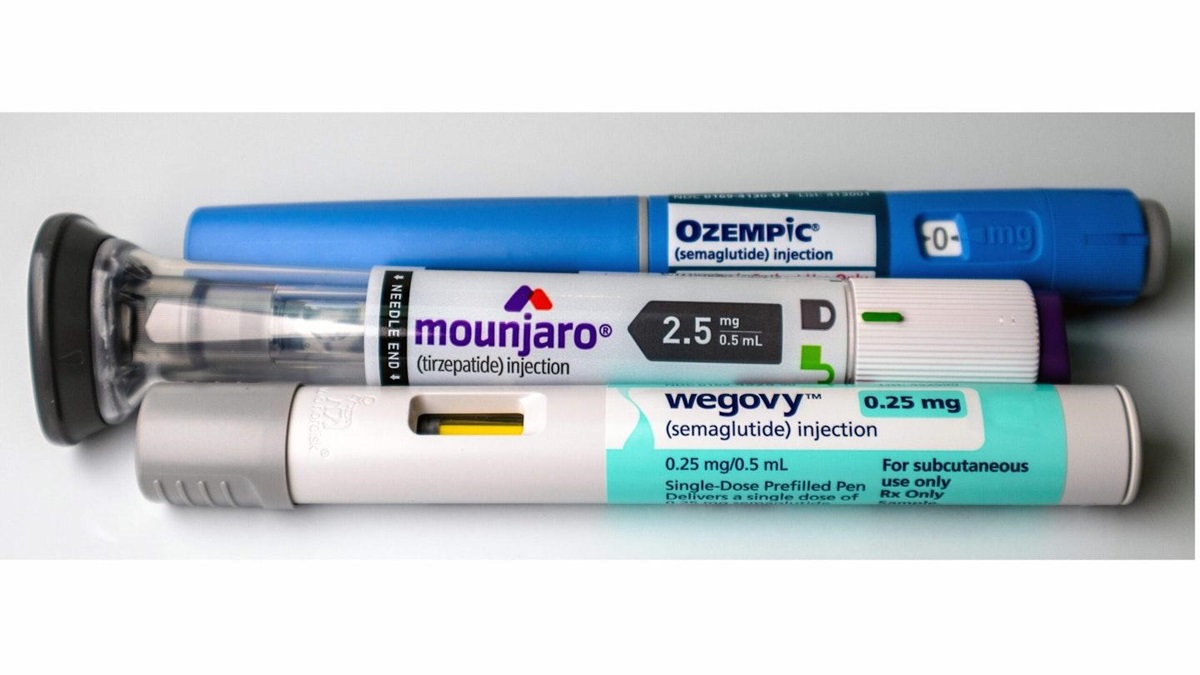
The regulator examined evidence from clinical trials, post-marketing safety reports, animal studies and observational research after a 2024 study raised concerns about possible vision loss among patients prescribed semaglutide, the active ingredient in Ozempic and Wegovy.

Its analysis covered 126 randomised controlled trials involving 134,253 participants, including 78,217 GLP-1 users and 56,036 patients receiving comparison treatments.
Researchers identified 15 probable cases of NAION across the trials. Ten occurred among patients taking GLP-1 medicines, while five occurred among those receiving placebos. No cases were identified among participants assigned other glucose-lowering medications in that analysis.
The findings translated to 6.4 cases per 100,000 person-years among GLP-1 users, compared with 3.8 cases per 100,000 person-years among comparison groups. A person-year represents one patient followed for one year, allowing researchers to account for differences in treatment duration.
Although the figures suggest a higher occurrence among GLP-1 users, the absolute difference amounted to approximately 2.6 additional cases per 100,000 person-years of exposure.
The FDA also examined real-world medical records involving patients with type 2 diabetes who started GLP-1 medicines between 2019 and 2024.
That analysis produced a more complicated picture. Researchers found a statistically significant increase in NAION risk when comparing GLP-1 users with patients receiving DPP-4 inhibitors, another class of diabetes medication. However, their comparison with patients receiving SGLT-2 inhibitors did not show a statistically significant increase.
These findings matter because diabetes, high blood pressure and several other conditions already increase a person’s vulnerability to NAION, making it difficult to isolate the contribution of medication.
FDA researchers could not identify a biological mechanism explaining how GLP-1 medicines might increase the risk.
Nevertheless, the regulator concluded that the combined evidence justified stronger warnings, particularly after receiving reports of NAION involving every currently marketed GLP-1 product.
READ ALSO:
Drugmakers Dispute Evidence Of Direct Causation
Novo Nordisk has maintained that the available research does not establish a direct causal relationship between GLP-1 medicines and NAION.
In a statement reported by ABC News, company representative Liz Skrbkova said patient safety remained a priority and that Novo Nordisk continued to monitor its medicines, review emerging research and engage with health authorities internationally.
The company also reaffirmed its confidence in the overall benefits and risks of its GLP-1 treatments.
Eli Lilly, which manufactures Mounjaro and Zepbound, said the FDA communication applied to the entire GLP-1 drug class rather than identifying findings specific to its products.
The company said it was evaluating the regulatory update and would respond to the FDA.
Beyond the manufacturers’ responses, regulatory agencies in other countries had already taken action.
In June 2025, the World Health Organisation alerted healthcare professionals to the potential risk associated with semaglutide after the European Medicines Agency classified NAION as a very rare side effect of the drug, potentially affecting up to one in 10,000 users.
Australia followed with a broader warning across GLP-1 medicines in July 2026, months before the latest US announcement.
The American decision therefore represents another significant regulatory response to a safety concern that health authorities have investigated internationally.
What Patients Should Know Before Their Next Dose
One particularly troubling characteristic of NAION is how unexpectedly it can develop.
Patients may wake up with significantly reduced vision in one eye, despite experiencing no pain or noticeable symptoms beforehand.
According to the FDA, warning signs include sudden blurred vision, blind spots, tunnel vision, distorted colour perception and reduced visual sharpness.
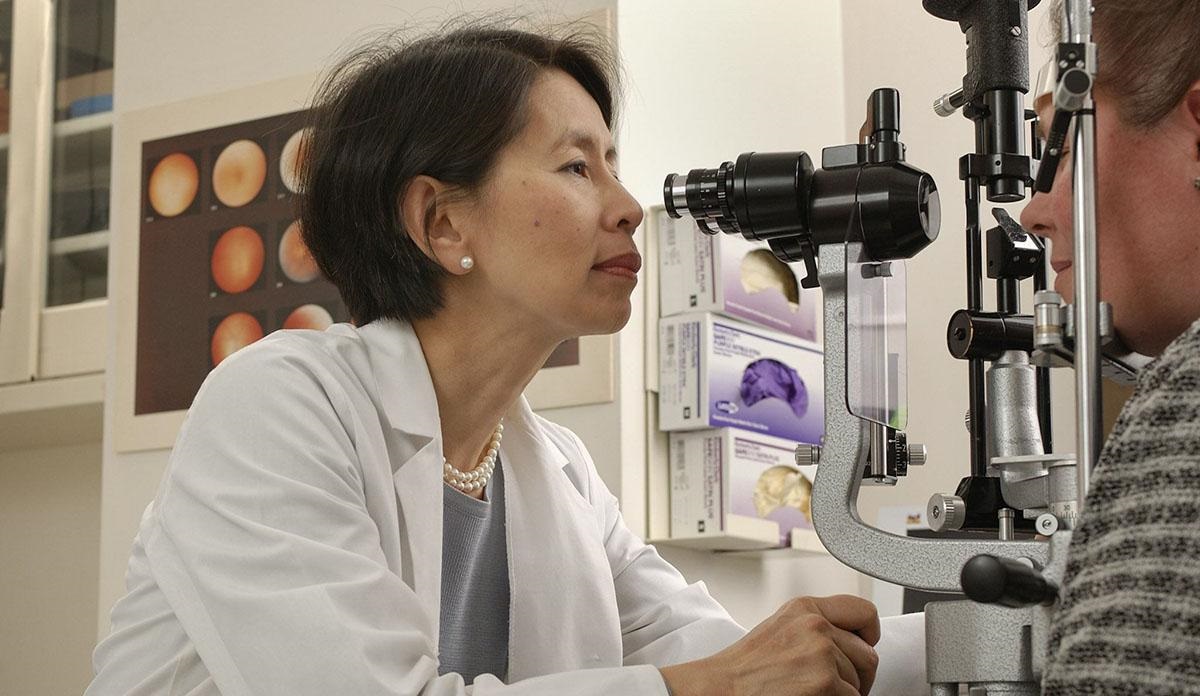
The regulator advises anyone experiencing these symptoms to contact a healthcare professional immediately. Suspected cases require prompt ophthalmological assessment, and sudden vision loss warrants emergency medical evaluation.
Patients who have already experienced NAION should discuss continued GLP-1 treatment with their doctors. Medical professionals may consider discontinuing the medication when NAION develops, unless the expected treatment benefits clearly outweigh the risk.
Importantly, patients should not interpret the new warning as an instruction to abandon prescribed medication.
GLP-1 medicines have demonstrated benefits extending beyond weight management and blood sugar control. Depending on the specific drug and its approved indication, these include reducing cardiovascular complications and slowing certain diabetes-related kidney problems.
Any decision to interrupt treatment must therefore consider an individual’s medical condition, alternative therapies and potential consequences of leaving diabetes or obesity inadequately managed.
The implications extend beyond the United States because these medicines circulate internationally, including in markets where patients and healthcare professionals rely on overseas regulatory assessments for emerging safety information.
However, the FDA’s announcement establishes a US labelling requirement. It does not, by itself, constitute a new directive from Nigeria’s National Agency for Food and Drug Administration and Control (NAFDAC), and no equivalent Nigerian decision has been established in this report.
The latest findings present two realities that patients and doctors must consider together. NAION remains rare, and researchers have yet to demonstrate precisely how GLP-1 medicines might contribute to its development. At the same time, the possibility of irreversible sight loss makes even a small additional risk medically significant.
The FDA’s decision does not withdraw the medicines from the market or invalidate their demonstrated therapeutic benefits. It requires manufacturers to communicate a potential harm that patients deserve to understand before and during treatment.

Joy Onuorah is a business journalist and brand communications specialist covering financial markets, artificial intelligence, digital economy, and the ideas reshaping business across Africa and the global market. Beyond her reporting for TheWill, Joy uses brand strategy, storytelling, copywriting, and high-value SEO to help brands build lasting market authority.
