
-
FTSE Russell is set to proceed with Nigeria’s reclassification from “Unclassified” to Frontier Market status.
-
The decision follows a review triggered by concerns over Nigeria’s shift to a T+1 settlement cycle.
-
Nigeria’s return to the Frontier Market category is currently scheduled to take effect on September 21, 2026.
August 27, (THEWILL) — Global index provider FTSE Russell is set to proceed with Nigeria’s reclassification from “Unclassified” to “Frontier Market” status, according to an exclusive report by Nairametrics, citing sources familiar with the matter.
The decision is expected to be formally announced later this week, potentially clearing the uncertainty that emerged after FTSE Russell placed Nigeria’s planned reclassification under further review in June.
Nigeria’s return to Frontier Market status had been scheduled to take effect from September 21, 2026, but the implementation was thrown into uncertainty after concerns emerged over the country’s transition from a T+2 to T+1 settlement cycle.

FTSE Russell had in June placed the reclassification under “further review” after Nigeria’s capital market moved from a T+2 to T+1 settlement cycle on June 1, 2026.
The index provider had raised concerns that the shorter settlement period could effectively make Nigeria a prefunded market for international institutional investors.
Under FTSE Russell’s “Settlement Cycle (DvP)” criterion, a requirement for investors to prefund equity trades is considered a negative factor when assessing a market for Frontier Market classification.
The concern became significant because settlement-cycle requirements form part of the five core Quality of Markets criteria FTSE Russell uses in determining whether a market qualifies for Frontier Market status.
However, Nigeria’s Securities and Exchange Commission subsequently clarified that foreign portfolio investors are not required to prefund their accounts when trading in the Nigerian capital market.
The SEC said transactions settled through the Central Securities Clearing System are completed at 5:00 p.m. on T+1 while remaining subject to the standard Delivery versus Payment framework.
That clarification appears to have addressed a key concern behind FTSE Russell’s decision to place the reclassification under review.
Reclassification was already approved
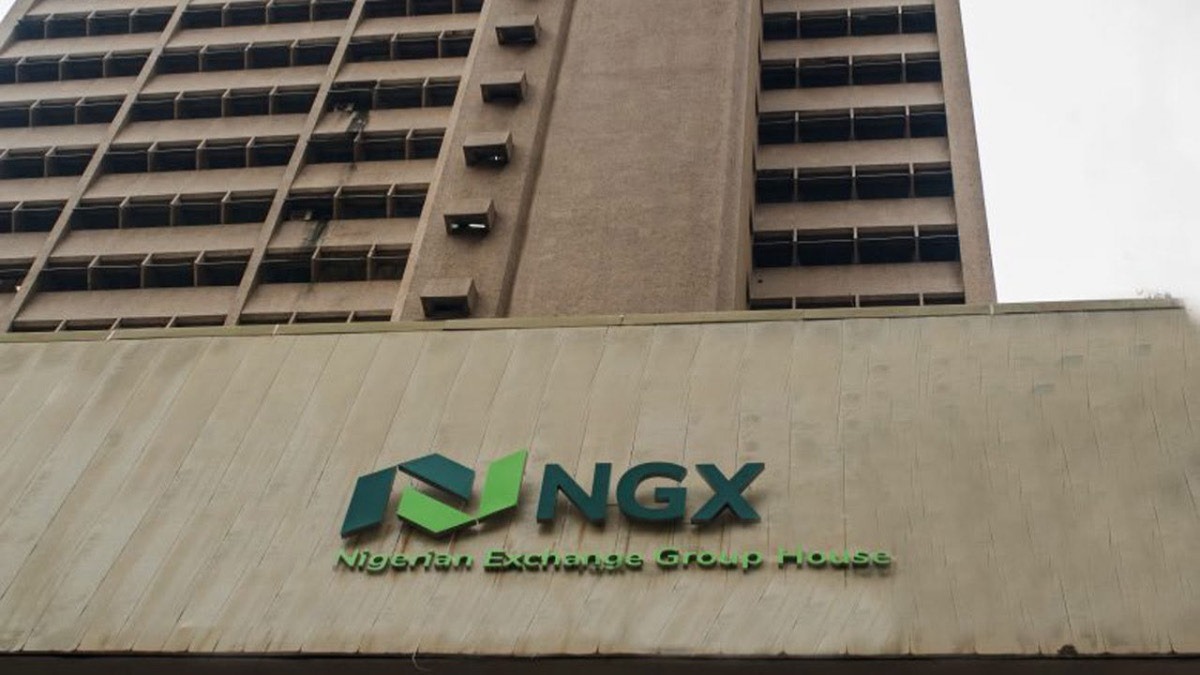
Nigeria was originally moved from “Unclassified” to “Frontier Market” status following FTSE Russell’s March 2026 interim review, with the change scheduled to take effect from the open of trading on September 21, 2026.
The planned reclassification represented a major reversal for Nigeria, which had been removed from FTSE Russell’s Frontier Market indices in September 2023.
The earlier removal followed persistent difficulties faced by international investors in repatriating capital and executing foreign exchange transactions in Nigeria.
Since then, conditions in the FX market have improved, with FTSE Russell acknowledging progress in the functioning of Nigeria’s foreign exchange market and the clearing of outstanding FX transaction queues.
The planned return to the Frontier Market category was therefore viewed as recognition of those improvements and a potential boost to the visibility of Nigerian equities among international investors.
If FTSE Russell formally confirms the decision later this week, Nigeria will be on course to regain its Frontier Market classification from September 21.

Ogochukwu Onwaeze is a writer specializing in business and economic journalism. At THEWILL News Media, she translates market trends, financial developments, and policy shifts into clear and engaging stories.