
-
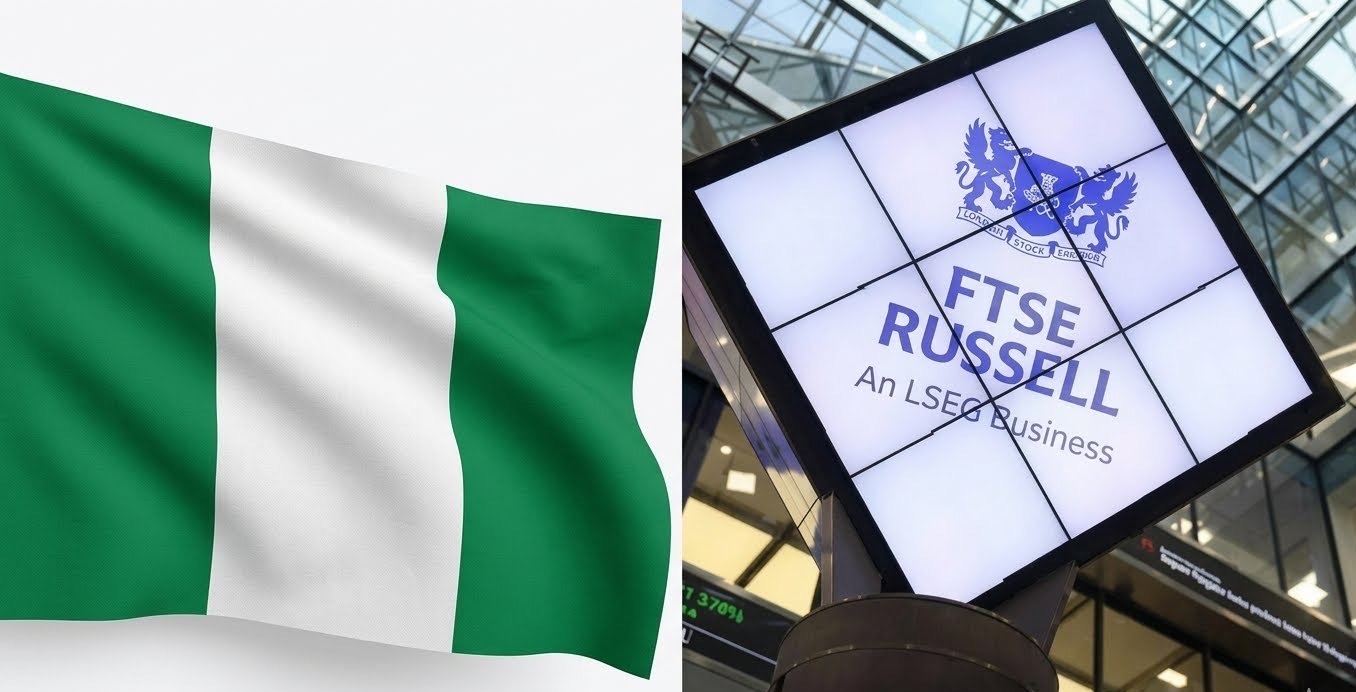
Nigeria has returned to FTSE Russell’s Frontier Market classification after a three-year exclusion linked to FX access and capital-repatriation problems.
-
31 Nigerian stocks are included in the broader FTSE Frontier Index Series, while Aradel Holdings, Dangote Cement, FirstHoldCo, GTCO, MTN Nigeria and Zenith Bank are in the FTSE Frontier 50.
-
The reclassification could improve Nigeria’s visibility among global investors, but foreign inflows will still depend on FX liquidity, valuations, market depth and investor risk appetite.
September 22, (THEWILL) – Nigeria has officially returned to FTSE Russell’s Frontier Market classification, effective from the opening of trading on September 21, ending a three-year period in which the country was classified as Unclassified.
The return follows improvements in foreign exchange liquidity, capital repatriation and market infrastructure. But for investors, the bigger question is what the reclassification changes in practical terms and whether it can translate into deeper foreign participation in Nigerian equities.
Here are seven things to know:

-
Nigeria is returning after three years
Nigeria’s exit from FTSE Russell followed prolonged difficulties faced by international investors in accessing foreign exchange and repatriating investment proceeds.
FTSE Russell placed Nigeria on its Watch List in September 2022 after international institutional investors reported difficulties repatriating capital from the country.
By September 2023, the index provider said there had been no material improvement in the ability to repatriate capital at an exchange rate that could support index replication, prompting Nigeria’s move from Frontier to Unclassified status.
The return followed improvements in FX liquidity, capital repatriation and market accessibility. FTSE Russell subsequently confirmed that Nigeria had met the requirements for Frontier Market status.
-
31 Nigerian stocks are back in the Frontier Index Series
The September 2026 FTSE review identified 31 Nigerian companies as eligible for the broader FTSE Frontier Index Series.
They comprise 10 large-cap, 10 mid-cap and 11 small-cap stocks, covering sectors including banking, telecommunications, cement, consumer goods, agriculture, energy and industrials.
The broader index is important because it is designed as a benchmark for frontier-market equities and can also be used in the creation of index-tracking investment products.
READ ALSO:
-
Six Nigerian stocks made the FTSE Frontier 50
The narrower FTSE Frontier 50 has six Nigerian constituents: Aradel Holdings, Dangote Cement, FirstHoldCo, Guaranty Trust Holding Company, MTN Nigeria Communications and Zenith Bank.
The distinction matters.
The 31 stocks are part of the wider Frontier Index Series, while the Frontier 50 is a concentrated benchmark comprising 50 leading companies from the frontier-market universe.
The six Nigerian stocks were scheduled to enter the revised Frontier 50 when the index took effect on September 21.
-
Why the FTSE classification matters to the NGX
A Frontier Market classification gives Nigeria a defined place within a global index universe monitored by international asset managers.
That can improve the visibility of Nigerian equities, make the market easier for global investors to benchmark, and potentially increase attention from funds whose investment mandates cover frontier markets.
FTSE Russell’s methodology says its Frontier Index Series is designed for use as performance benchmarks and in the creation of index-tracking products.
-
Foreign investors could get an easier route into Nigerian equities
The potential benefit is not simply the label “Frontier Market”.
Nigeria has also changed parts of its market infrastructure that matter to international investors. The NGX moved from T+2 to T+1 settlement on June 1, 2026, reducing the settlement period to one trading day.
Following an additional assessment, FTSE Russell said it had observed no material settlement, operational, or funding issues arising from the transition.
Combined with improved FX accessibility and capital-repatriation conditions, these reforms could make Nigerian equities easier for offshore investors to assess and transact in.

-
FTSE return does not guarantee a flood of foreign money
The reclassification is not a guarantee of immediate or sustained foreign inflows.
NGX data show how much work remains. Foreign investors accounted for about 10.8 percent of total NGX transactions in the first seven months of 2026, compared with 89.2 percent for domestic investors. In July alone, foreign participation was 5.6 percent.
Foreign investors will still consider FX liquidity, stock valuations, market depth, transaction costs, country risk, global interest rates, and their own portfolio allocations.
-
The real test begins after September 21
Nigeria’s return provides the market with an opportunity, but the evidence will come from what happens next.
Investors will need to watch foreign participation, NGX liquidity, FX accessibility, and the performance and valuations of the newly included stocks.
Corporate capital raising will also be important. If international visibility translates into greater participation in Nigerian equities and more efficient access to long-term capital, the impact could extend beyond share prices to the ability of Nigerian companies to finance expansion.
For now, September 21 marks the beginning of the test rather than its conclusion: Nigeria is back in the FTSE Russell Frontier Market universe, but the next challenge is converting that classification into deeper and more sustainable market participation.

Ogochukwu Onwaeze is a writer specializing in business and economic journalism. At THEWILL News Media, she translates market trends, financial developments, and policy shifts into clear and engaging stories.