-
FIFA and CAF have begun consultations in Abuja to assess the leadership crisis within the Nigeria Football Federation and determine the implications for the federation’s governance and electoral process.
-
The mission follows the resignation of NFF President Ibrahim Gusau, General Secretary Mohammed Sanusi and several Executive Committee members
-
National Sports Commission Chairman Shehu Dikko is at the centre of Nigeria’s engagement with the two continental and global football bodies,
-
The NFF electoral process remains on hold, with FIFA and CAF yet to announce a final roadmap or decision on how Nigeria’s football administration will move forward following the leadership upheaval.
September 15, (THEWILL) – FIFA and the Confederation of African Football (CAF) have commenced consultations in Abuja as international football authorities assess the crisis engulfing the Nigeria Football Federation and consider the way forward for the country’s football administration.
The joint assessment mission, which began on Monday, September 14, brings FIFA and CAF officials into discussions with Nigerian football stakeholders following a wave of resignations that has left the NFF facing questions over its leadership structure, governance and electoral process.
The crisis escalated after NFF President Ibrahim Gusau, General Secretary Mohammed Sanusi and several members of the federation’s Executive Committee resigned from their positions.

With the changes coming as the federation was preparing for an elective congress scheduled for September 27, the leadership upheaval has also created uncertainty around the next stage of the NFF electoral process.
Rather than immediately impose a new structure or announce an electoral timetable, FIFA and CAF have begun by gathering information and listening to the various parties involved.
Delegates from FIFA are in Nigeria to reform our Football.
Exciting Days Ahead pic.twitter.com/dND8LXXbMC
— MR OLAWALE QUADRI 🇳🇬 (@QualityQuadry) September 14, 2026
What FIFA and CAF are assessing
The Abuja mission is expected to focus on the circumstances surrounding the recent resignations and their implications for the administration of Nigerian football.
Among the issues under consideration are the NFF’s legal and statutory framework, its governance structure, the electoral process and the participation of stakeholders in the running of the federation.
The consultations are also expected to give the international football bodies a clearer picture of the relationship between the NFF, the government and other stakeholders involved in Nigerian football.
Representatives connected to the NFF, electoral structures and the Federal Government through the National Sports Commission are among those engaging with the delegation.
The process is particularly significant because any solution to the current crisis will need to address not only the immediate leadership vacuum but also the broader questions surrounding how Nigerian football is administered.
For FIFA and CAF, the assessment therefore provides an opportunity to understand the competing positions before recommendations are considered.
Shehu Dikko pushes for wider reforms
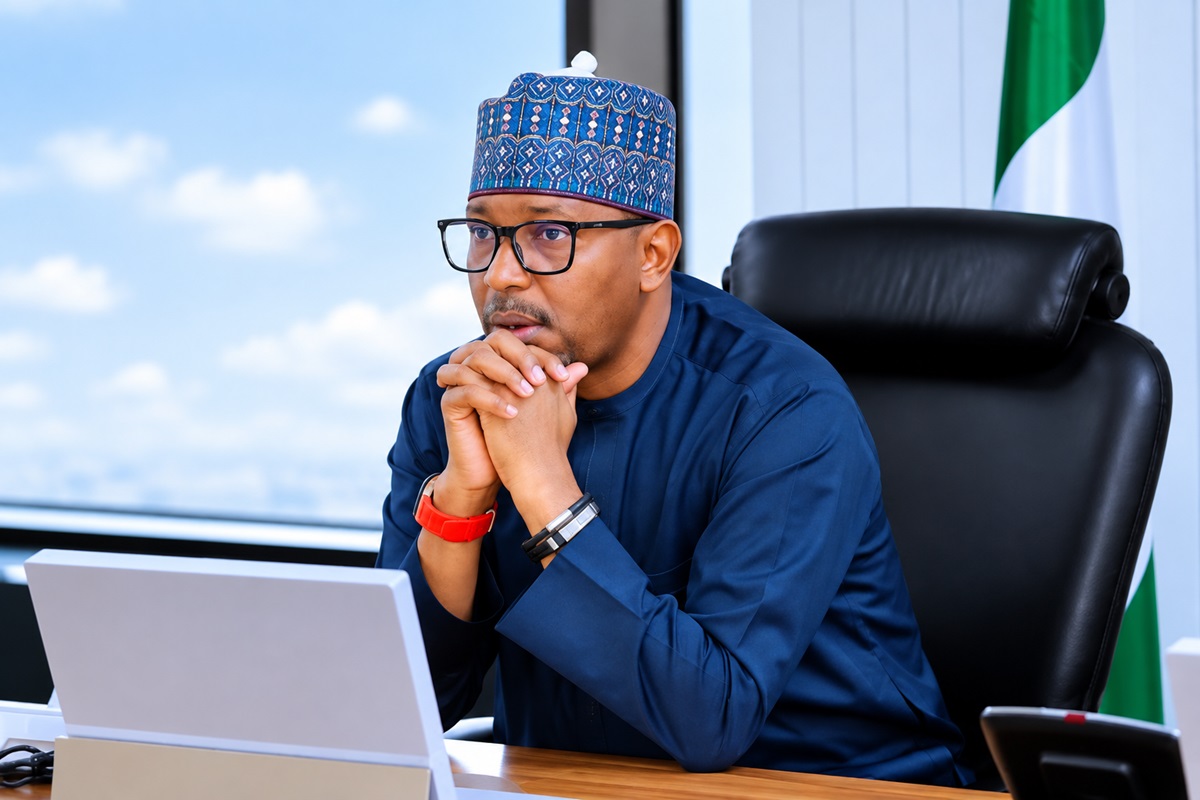
National Sports Commission Chairman Shehu Dikko has emerged as a key figure in the discussions, with the engagement going beyond the immediate leadership crisis to a broader reform agenda for Nigerian football.
Dikko’s position in the talks reflects an attempt to use the current upheaval as an opportunity to examine some of the structural issues affecting the administration and development of the game.
The proposed reform discussions are centred on areas including football governance, institutional structures, the NFF’s statutory framework, electoral procedures and stakeholder participation.
Rather than focusing solely on who should occupy the vacant positions within the federation, the broader conversation is aimed at examining how the system itself can be strengthened.
That distinction could prove important as FIFA and CAF consider their next steps.
The current crisis has created an opening for stakeholders to debate whether changes should be limited to the NFF’s immediate leadership or form part of a wider restructuring of Nigerian football administration.
NFF election remains in limbo
One of the immediate consequences of the crisis is the uncertainty surrounding the NFF’s electoral programme.
The federation had been working towards an elective congress on September 27, but that process has been put on hold following the leadership changes and the arrival of the FIFA-CAF assessment mission.
The suspension means the next stage of the election cannot simply proceed as originally planned while the international bodies continue their consultations.
FIFA and CAF are expected to use the information gathered from their meetings with stakeholders to determine what pathway should be recommended.
However, there is currently no final electoral roadmap or new structure announced.
That leaves Nigerian football in a period of uncertainty, with the outcome of the Abuja consultations potentially shaping the federation’s leadership and governance arrangements going forward.
READ ALSO:
No final decision from FIFA or CAF
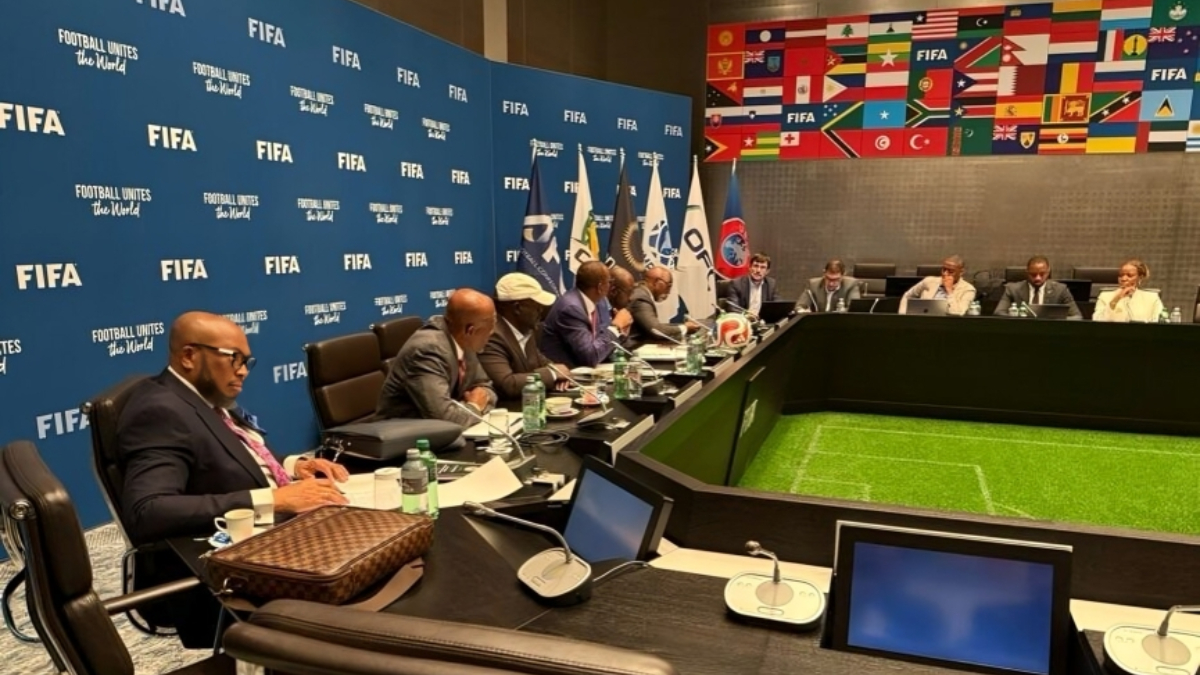 Despite the significance of the meetings, the Abuja mission should not be interpreted as a final decision on the future structure of the NFF.
The immediate objective is assessment and consultation.
FIFA and CAF are seeking to establish the circumstances that led to the leadership crisis, hear the positions of relevant stakeholders and examine the proposed reforms before determining what should happen next.
That means questions surrounding the timing of a new election, the structure of the federation and the implementation of any reforms remain unresolved.
For Nigerian football, the stakes extend beyond the current leadership vacuum.
The crisis has reopened wider discussions about accountability, institutional stability, stakeholder representation and the effectiveness of the structures responsible for running the game.
The FIFA and CAF consultations could therefore become an important turning point.
If the assessment produces a broadly supported reform pathway, it could provide Nigerian football with an opportunity to address some of its longstanding administrative challenges while creating a clearer route back to an electoral process.
For now, however, the next chapter remains in the hands of FIFA, CAF and the Nigerian stakeholders involved in the Abuja discussions, with the international bodies expected to complete their assessment before any definitive position is announced.
Olumide Atiba is a sports journalist with THEWILL, known for his keen news sense and compelling storytelling. He has built a reputation for turning leads into clear, well-structured reports that resonate with readers, with a strong focus on football coverage