
-
The Federal Government approved tax waivers for nearly 4,000 electric vehicles imported into Nigeria in the first half of 2026.
-
Nigeria is pushing electric mobility towards its 2050 target despite unreliable electricity and only about 48 public charging stations.
-
Battery swapping and hybrid vehicles are emerging as alternatives as weak grid supply limits conventional EV charging.
August 13, (THEWILL) — The Federal Government has approved tax waivers for nearly 4,000 electric vehicles (EVs) imported into Nigeria in the first half of 2026, stepping up efforts to accelerate cleaner transportation despite persistent electricity shortages and limited charging infrastructure.
Government data reviewed by Reuters showed that the approvals were the first batch processed under a new programme designed to promote cleaner transport through tax incentives and local vehicle assembly.
Nigeria’s 2022 Energy Transition Plan targets electric vehicles accounting for 60 per cent of the country’s vehicle fleet by 2050. However, EV adoption remains at an early stage, with dealers estimating that electric vehicles account for less than one per cent of the country’s vehicle fleet.

Government pushes EV adoption
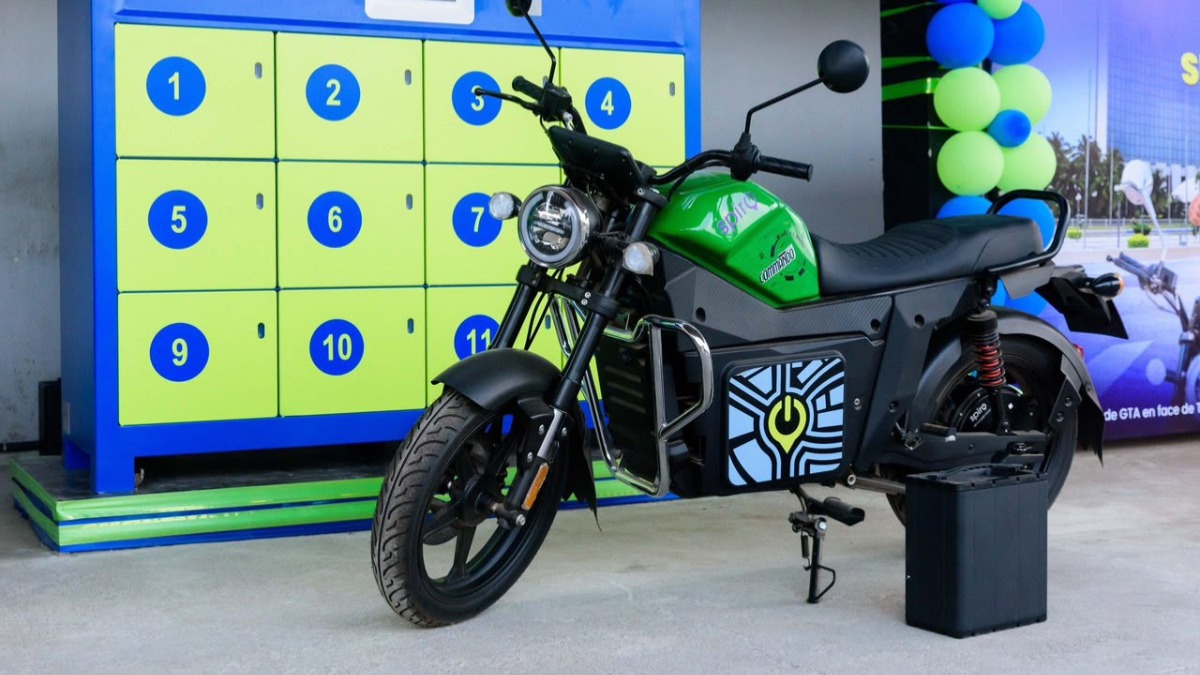
The government has introduced fiscal measures to make electric vehicles more competitive. Nigeria exempted EVs from value-added tax in 2024 and reduced import duties on electric vehicles to zero this year from five percent.
The incentives have gained importance since the removal of the petrol subsidy in 2023 increased fuel costs and made lower-cost mobility options more attractive to motorists and commercial transport operators.
The policy also supports the government’s broader energy transition ambitions.
READ ALSO: Tinubu Expands PiCNG Mandate to Include Electric Vehicles, Boosts Clean Mobility Drive
Power supply remains major hurdle
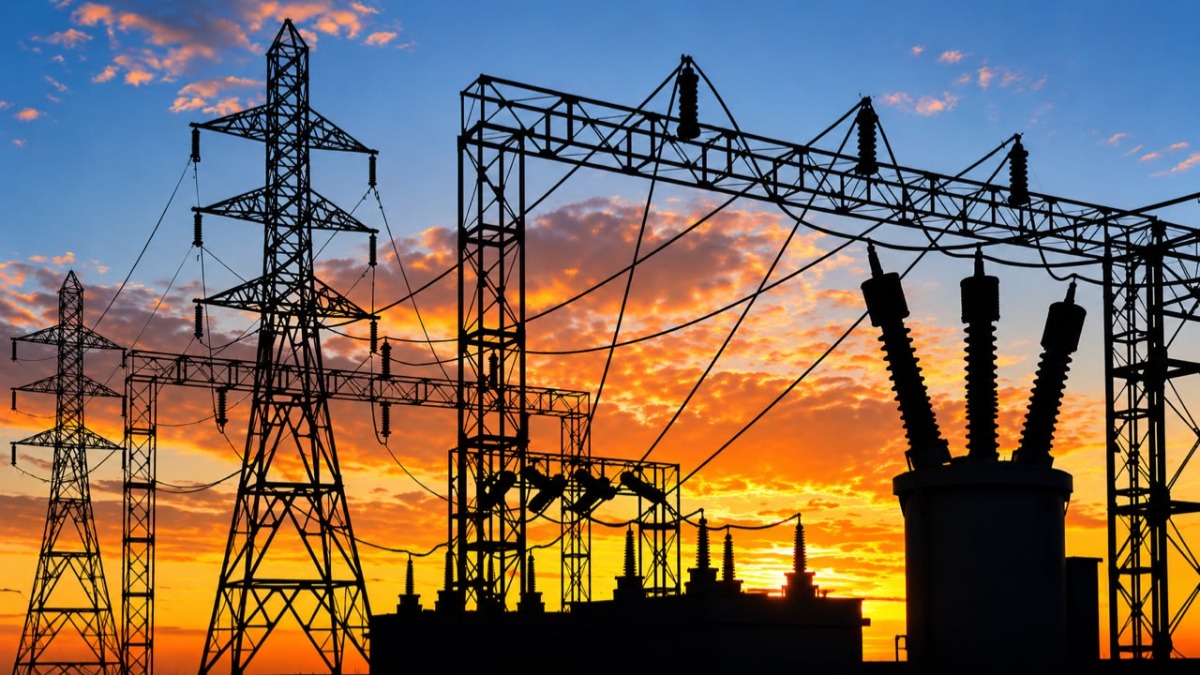
The biggest obstacle to mass EV adoption, however, remains electricity.
Nigeria’s national grid supplies around 4,000 megawatts to a population of more than 200 million people, leaving households and businesses heavily dependent on petrol and diesel generators.
That challenge is spilling into the EV ecosystem, with charging stations, dealerships and battery-swapping operators increasingly relying on generators whenever grid electricity fails.
Bolanle Boboye, an executive at Saglev, Nigeria’s first electric vehicle manufacturer affiliated with Chinese automaker Dongfeng, said the country could not afford to delay EV adoption until its power system became fully reliable.
“If we wait for electricity to become perfect before adopting EVs, the rest of the world will leave us behind”, he said.
READ ALSO: NRS: We’re Taxing Prosperity, Not Poverty — Adedeji
Charging gap drives new solutions
Nigeria’s public charging infrastructure remains limited. A policy brief reviewed by Reuters estimated that the country had only about 48 public EV charging stations as of late 2025, mostly concentrated in Lagos and Abuja, compared with more than 500 in South Africa.
The shortage has encouraged companies to explore battery-swapping networks, allowing commercial riders to exchange depleted batteries for fully charged ones within minutes.
Companies such as MAX and Spiro are investing in the model, while extended-range electric vehicles and hybrid models are also gaining traction because they reduce dependence on public charging infrastructure.
Industry players say electric motorcycles and tricycles could provide a faster route to mass electrification because of their numbers and high fuel consumption.
Stanley Nwankwo, co-founder of electric mobility start-up Donda X Limited, said electric motorcycles and tricycles had cut operating costs by about two-thirds compared with petrol-powered alternatives.
The Federal Government’s tax waivers therefore mark a significant policy push, but wider EV adoption will depend on whether Nigeria can simultaneously expand electricity supply, charging infrastructure and alternative energy solutions needed to keep the vehicles running.

Ogochukwu Onwaeze is a writer specializing in business and economic journalism. At THEWILL News Media, she translates market trends, financial developments, and policy shifts into clear and engaging stories.
