
-
The World Health Organisation (WHO) says Nigeria has no active Ebola cases following the evacuation of the confirmed patient and her husband to Switzerland.
-
Nigeria will continue monitoring 52 contacts linked to the case, while Switzerland assumes responsibility for the patient’s continued treatment and her husband’s follow-up.
-
The patient was clinically stable after Nigerian medical teams successfully managed the acute phase of her illness.
-
WHO has urged continued vigilance, warning that contact monitoring and other public health measures remain essential despite the evacuation.
October 26, (THEWILL) – The World Health Organisation (WHO) has announced that Nigeria currently has no active Ebola cases following the medical evacuation of the confirmed patient and her husband to Switzerland, although 52 contacts linked to the case remain under surveillance.
The WHO Regional Director for Africa, Dr Mohamed Janabi, disclosed this in a statement posted on his official X handle on Monday, confirming that the evacuation was completed earlier in the morning.
Janabi said the patient and her husband, both Swiss citizens, had been transferred to Switzerland, where the patient would continue receiving medical care and her husband would undergo further monitoring.

Nigeria, he said, would continue to monitor 52 contacts linked to the case, while Switzerland would assume responsibility for the follow-up of the husband, identified as contact number 53.
According to Janabi, the patient was clinically stable before the evacuation, following the successful management of the acute phase of her illness by Nigerian medical teams.
He commended the Federal Government, healthcare workers, clinicians, emergency responders and other partners for their roles in the response, describing the development as a remarkable achievement.
The WHO regional director said the successful management of the patient demonstrated Africa’s expertise, resilience and leadership in public health, particularly when countries work together to tackle health emergencies.
However, he stressed that the evacuation should not lead to complacency, noting that sustained vigilance and the continued monitoring of contacts remained critical to preventing further transmission.
The development marks an important step in Nigeria’s response to the Ebola case, but health authorities must continue surveillance of people who may have been exposed to the virus.
Ebola is a severe viral disease that can cause serious illness and death. It is transmitted through direct contact with the blood or other bodily fluids of an infected person who is showing symptoms, or with contaminated materials.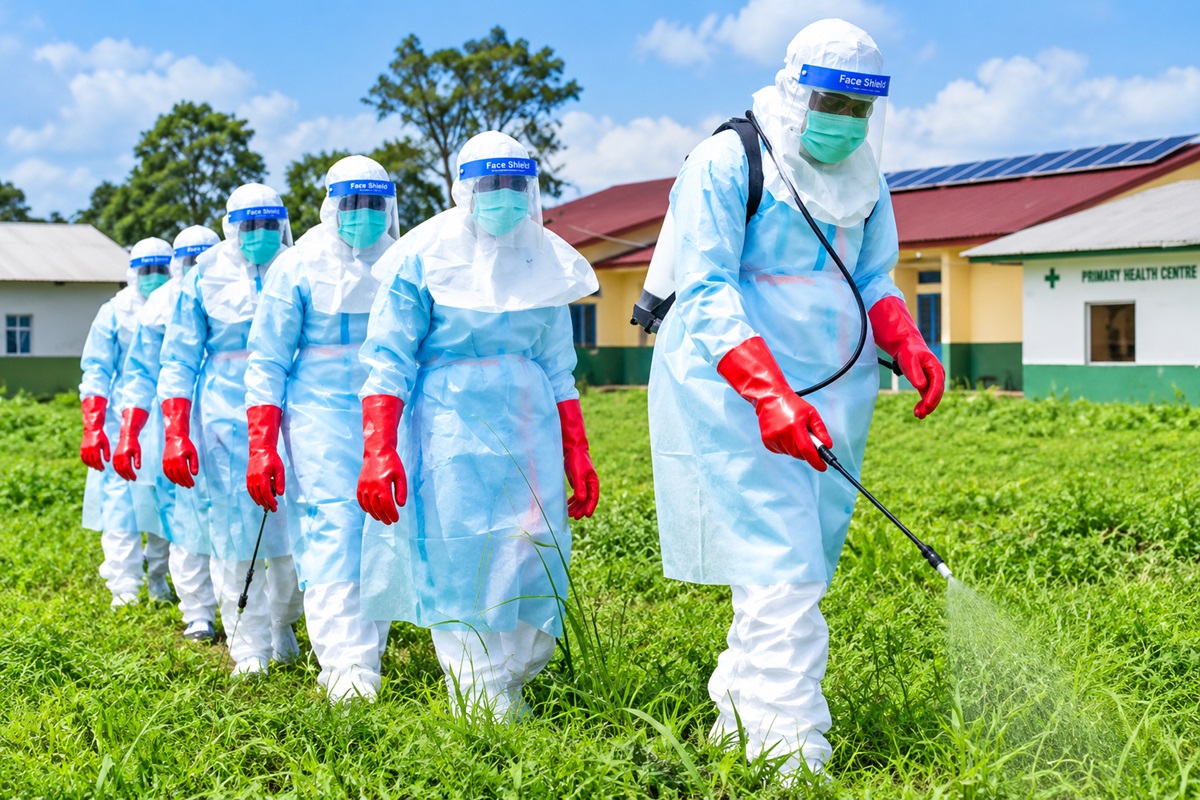
READ ALSO:
Symptoms may include fever, fatigue, muscle pain, headache and sore throat, followed in some cases by vomiting, diarrhoea, rash and impaired kidney or liver function. The disease can progress rapidly, making early detection, prompt medical care and effective infection prevention measures essential.
Nigeria has previously confronted an Ebola outbreak. In 2014, an infected traveller introduced the virus into Lagos, triggering a public health emergency. Nigerian health authorities subsequently contained the outbreak through contact tracing, isolation, surveillance and coordinated emergency response measures.
That experience underscored the importance of identifying potentially exposed individuals, monitoring them for symptoms and ensuring that suspected cases are promptly assessed and managed.
In the latest case, the evacuation of the patient has transferred responsibility for her continued treatment to Switzerland, while Nigeria retains responsibility for monitoring the 52 contacts under its surveillance.
Janabi reiterated the need for sustained vigilance and cooperation among health authorities and response partners to ensure that surveillance and other preventive measures remain effective.

Felix Ifijeh is a journalist with years of professional reporting experience. Known for his keen news sense, compelling storytelling and commitment to accurate, impactful reporting, he has built a reputation for turning leads into clear, engaging, and well-structured reports that resonate with readers. His work reflects deep newsroom experience and a commitment to accurate, impactful journalism.
