
The tragedy of a continent rich in intellectual capacity but struggling to translate its inventions into industrial and economic prosperity.
November 17, (THEWILL) – Traditional African knowledge has become the subject of foreign patents and commercial agreements from which the original custodians derived little benefit.
The following examples illustrate this unfortunate phenomenon.
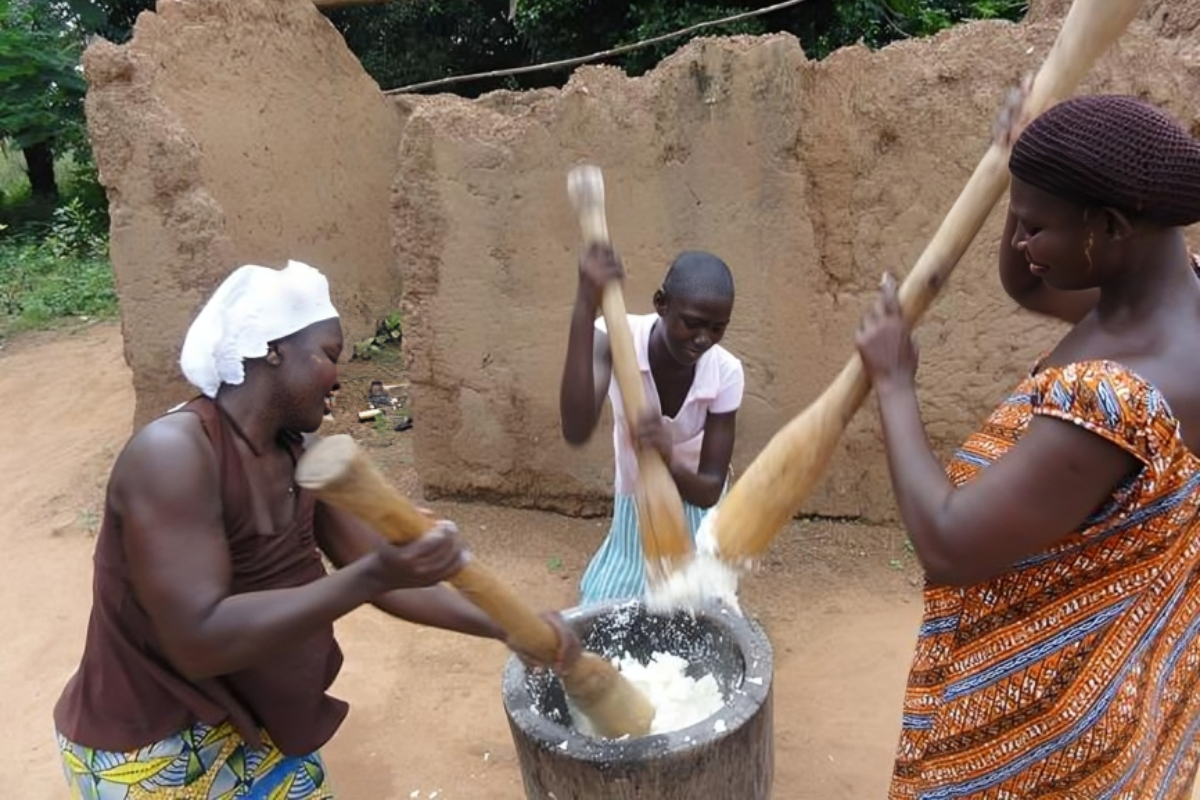 1. The Yam-Pounding Machine — Nigeria
In the early 1970s, Professor G. A. Makanjuola of the Department of Agricultural Engineering, University of Ife, now Obafemi Awolowo University, developed a machine for pounding yam. His invention was intended to eliminate the considerable physical exertion associated with preparing this popular Nigerian delicacy.
The university applied for a British patent in 1972, which was published in 1975 under patent number GB1401508A.
According to a historical account published by Canada’s International Development Research Centre, a Japanese manufacturer reportedly copied the Nigerian prototype and produced a more compact and attractive machine specifically for the Nigerian market. The Japanese product subsequently gained considerable commercial acceptance.

 Although a Nigerian company, Addis Engineering, acquired patent rights and manufactured the machine, Nigeria failed to establish international dominance in this particular industry.
Imagine the economic benefits Nigeria might have derived had the original invention received adequate financial and industrial support from its inception. Nigeria could conceivably have become a major international manufacturer and exporter of yam-pounding machines.
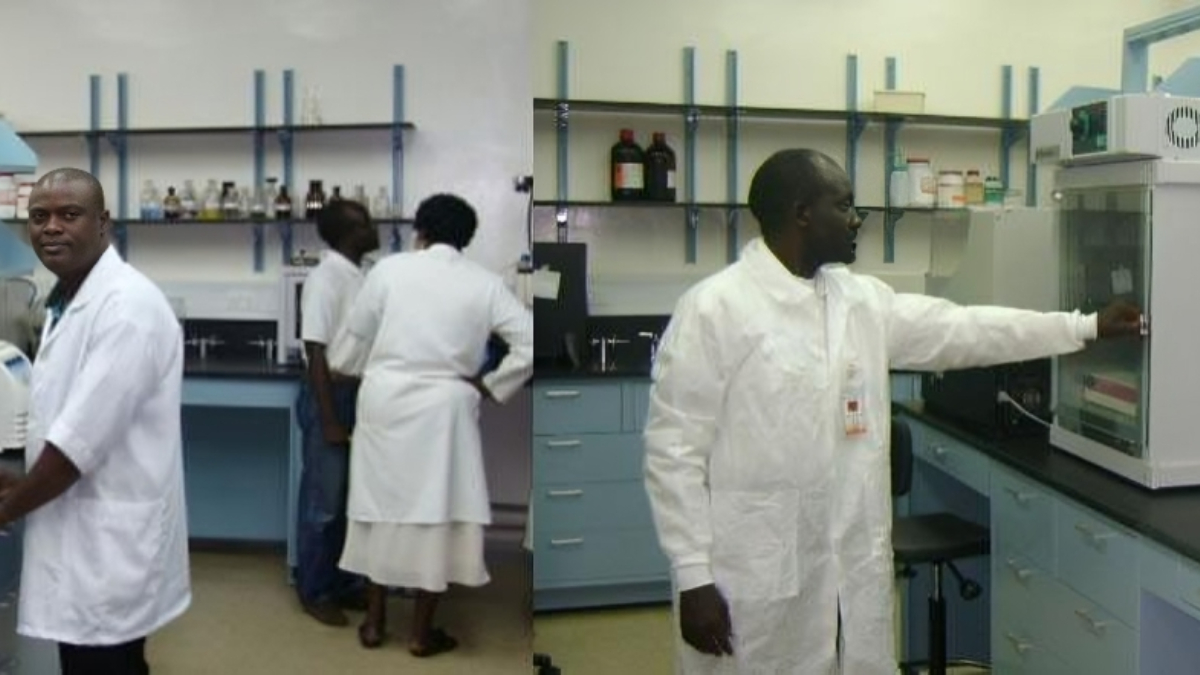 2. Niprisan: The Sickle Cell Drug — Nigeria
The National Institute for Pharmaceutical Research and Development developed Niprisan from indigenous medicinal plants for the management of sickle cell disease.
An American pharmaceutical company, Xechem, obtained commercialization rights in 2002. Unfortunately, financial, manufacturing and managerial problems culminated in bankruptcy. Nigeria subsequently revoked the licence in 2009.
A potentially significant Nigerian pharmaceutical enterprise had suffered a major setback. In 2018, another commercialization partnership was announced with May & Baker Nigeria.
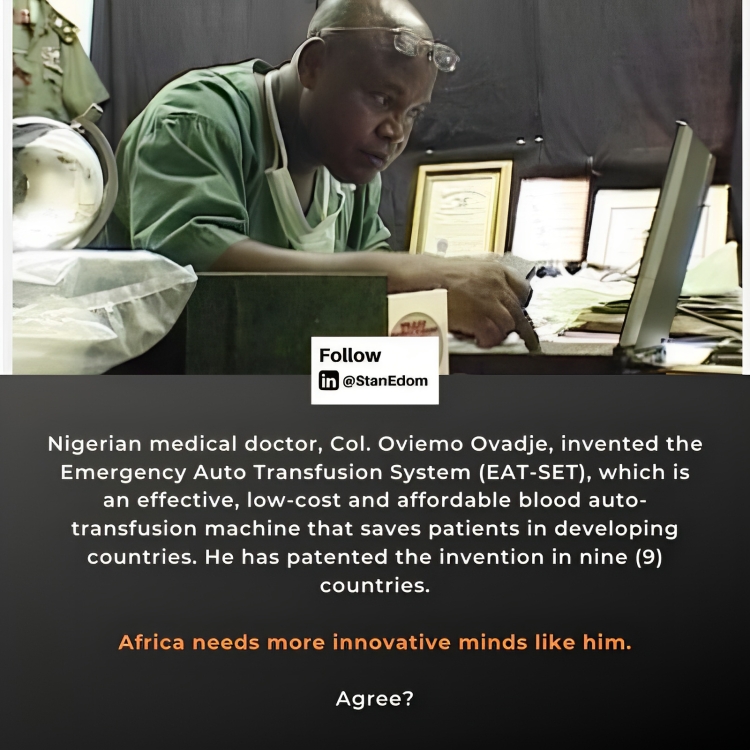 3. The emergency blood autotransfusion device — Nigeria
Dr. Oviemo Ovadje, a Nigerian military medical doctor, invented the Emergency Auto-Transfusion Set (EAT-SET), an affordable device for recovering and retransfusing a patient’s own blood.
The invention received international recognition, including a World Intellectual Property Organization gold medal in 1995. Although commercial production was undertaken, the invention demonstrates the enormous potential of indigenous African medical technology that deserves sustained industrial support.
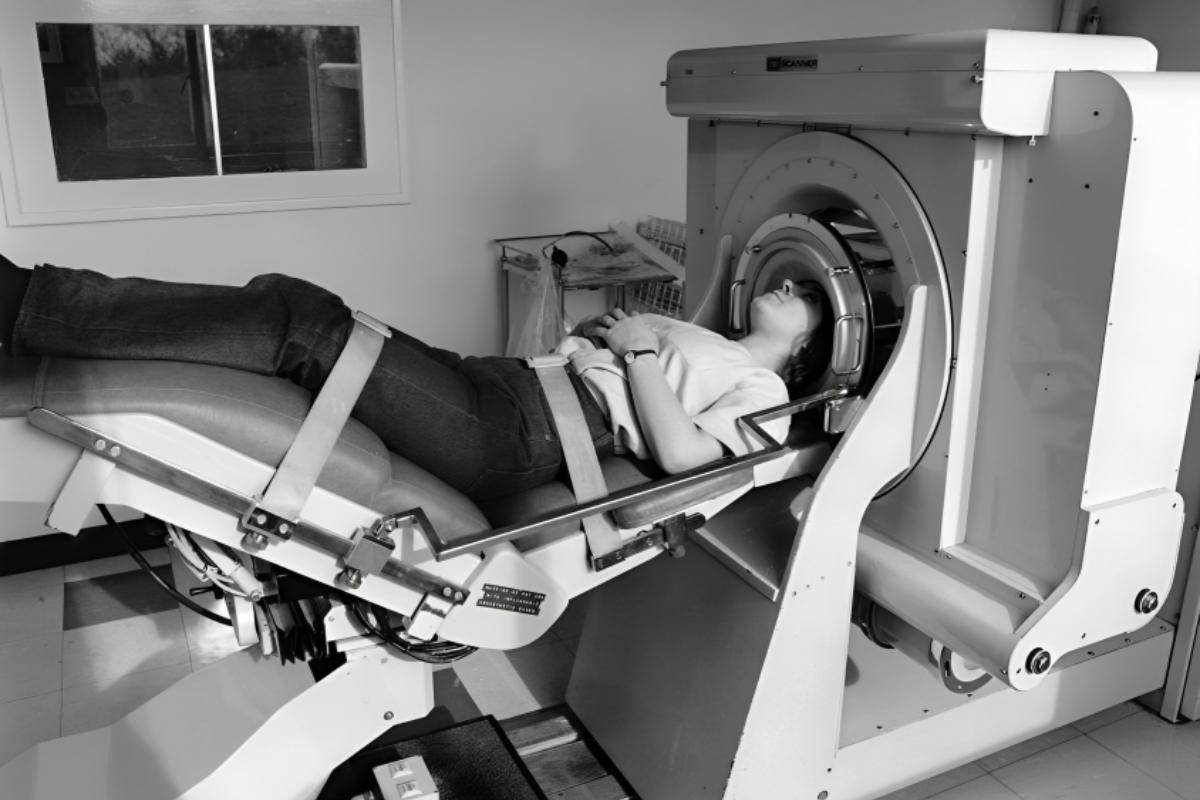
4. Computerized tomography — South Africa
Professor Allan Cormack, born and educated in South Africa, developed fundamental mathematical principles underlying computerized tomography.
He shared the 1979 Nobel Prize in Medicine with Godfrey Hounsfield. Today, CT scanners constitute an enormously valuable global medical technology industry.
This was an international scientific achievement rather than a stolen African invention. Nevertheless, it illustrates the potential of African scientific talent to contribute to industries whose manufacturing and commercial centres are predominantly elsewhere.
5. Lithium-ion batteries — Morocco
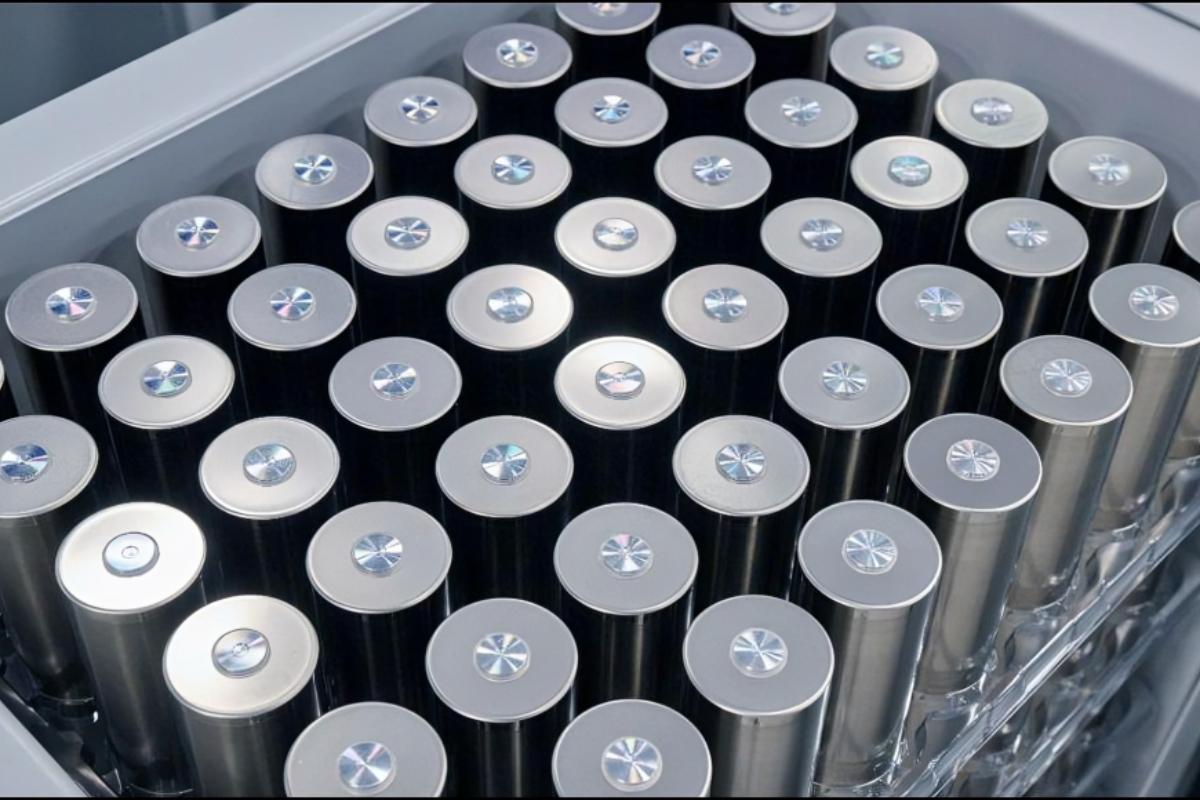
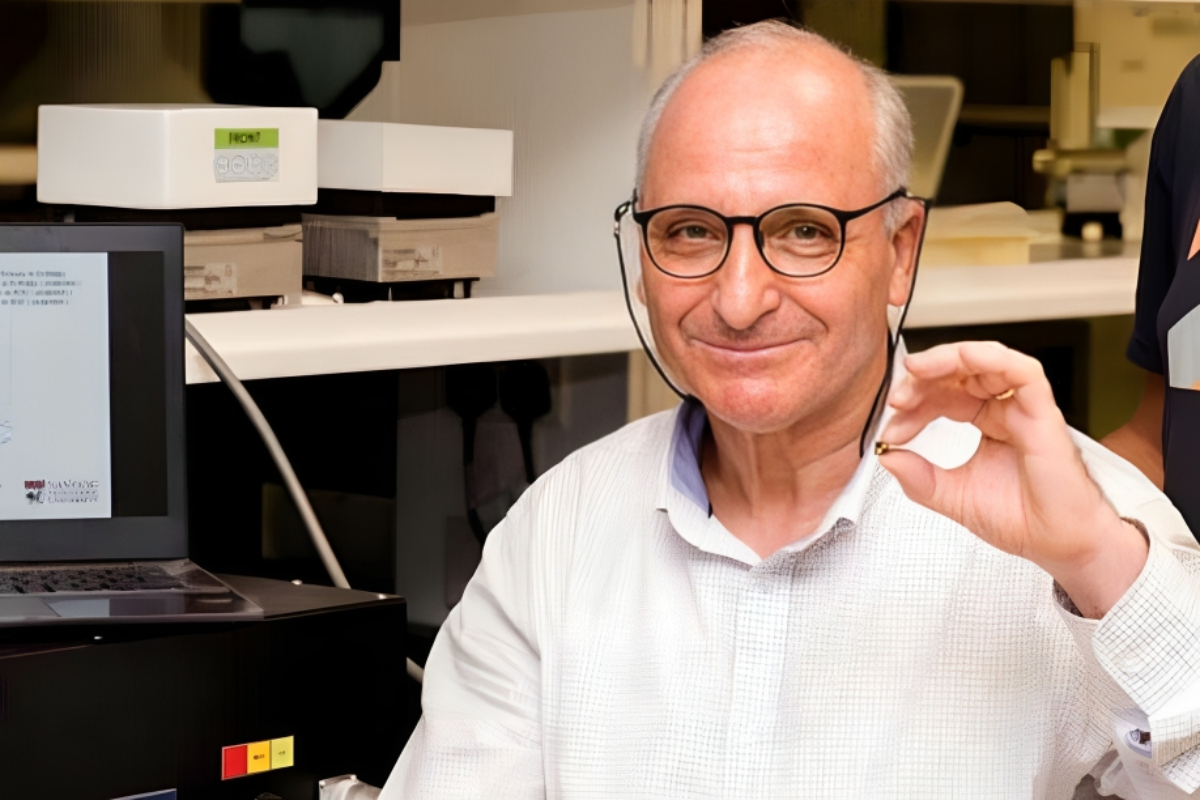
Professor Rachid Yazami, a Moroccan scientist, made important contributions to the development of lithium-ion battery technology through his research on the reversible storage of lithium in graphite.
His research, conducted in France, contributed to the development of modern rechargeable batteries used in mobile phones, computers and electric vehicles.
Yazami has stated that his original discovery was not patented and that he received relatively little financial reward from its subsequent commercialisation.
6. Teff — Ethiopia

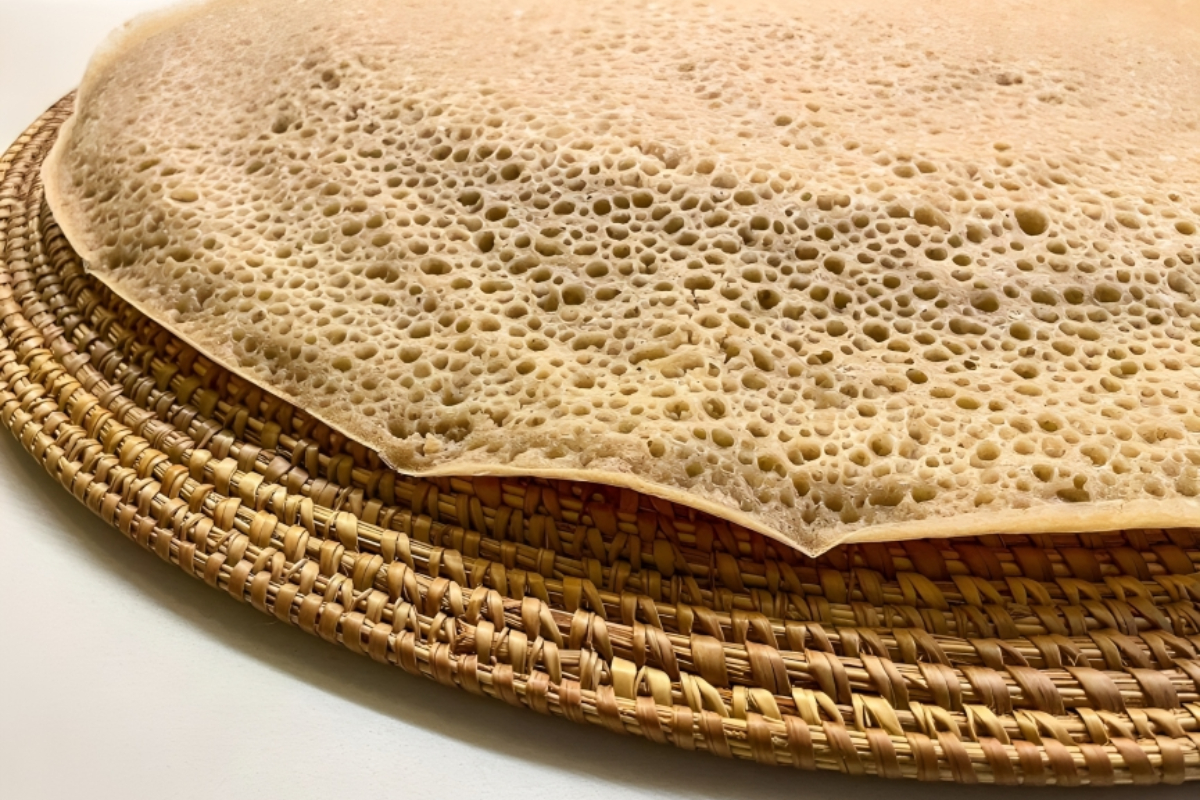 For centuries, Ethiopians have cultivated teff, the nutritious indigenous grain used in preparing injera.
A Dutch company obtained European patent protection relating to certain methods of processing teff flour. An agreement intended to provide financial benefits to Ethiopia largely failed following the company’s bankruptcy.
This was not a patent on teff itself, but it raised fundamental questions about the commercial exploitation of Africa’s agricultural heritage.

7. Hoodia — Southern Africa
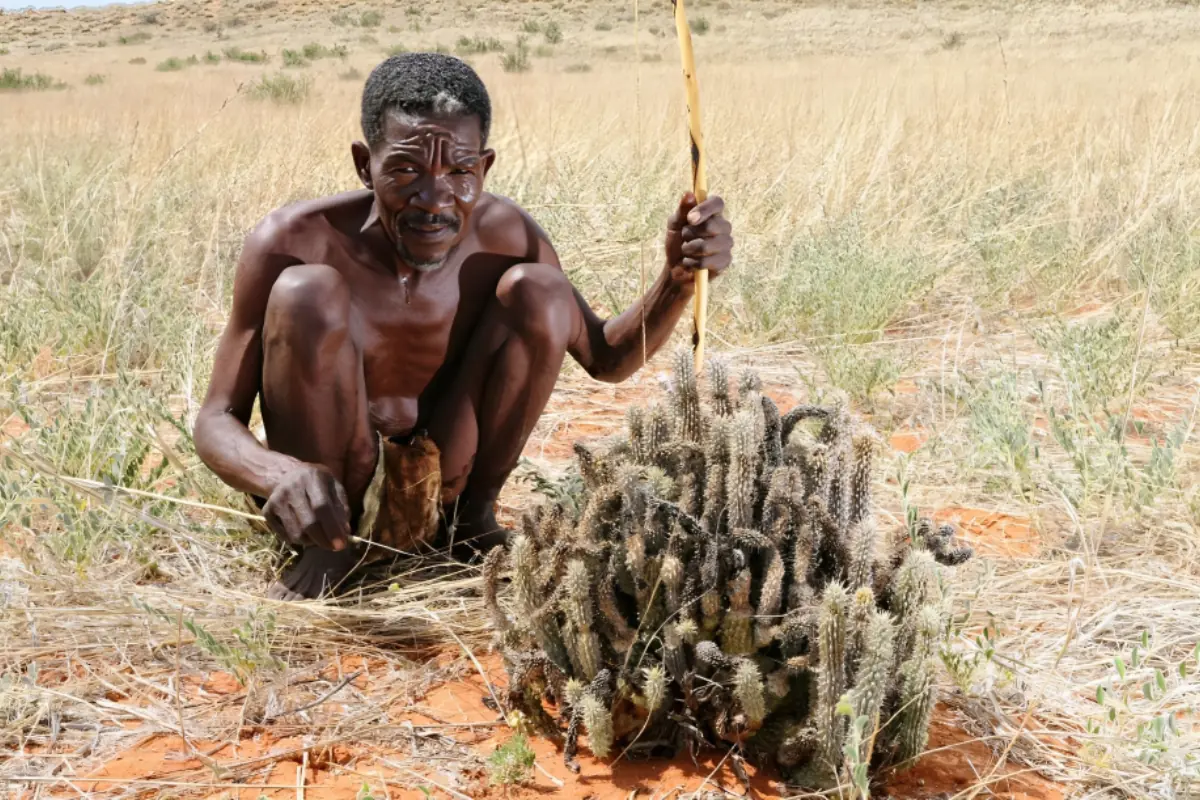
Hoodia, a succulent plant traditionally used by the San people of Southern Africa, became the subject of commercial research because of its potential appetite-suppressing properties.
Initially, the traditional knowledge of the San people was not adequately acknowledged in the relevant patent application.
Subsequent negotiations produced benefit-sharing agreements, although the anticipated commercial success did not fully materialise.

8. The ‘Please Call Me’ Service — South Africa
Nkosana Makate proposed a service that enabled mobile telephone subscribers without airtime to request that another subscriber call them.
Vodacom introduced the service, but a prolonged legal battle ensued over his compensation. After 17 years of litigation, an out-of-court settlement was reached in November 2025.
This example demonstrates that African innovators can also suffer commercial injustice within Africa itself.
Why does Africa repeatedly lose out?
Several factors contribute to this unfortunate situation:
- Inadequate funding of scientific research and technological development.
- Reluctance of indigenous businessmen to invest in untested inventions.
- Weak collaboration between universities and industries.
- Inadequate protection of intellectual property.
- Excessive dependence on imported manufactured products.
- Poor industrial infrastructure and inconsistent government policies.
- Emigration of talented African scientists to more supportive environments.
The way forward
African governments must establish adequately funded institutions specifically charged with identifying promising inventions and facilitating their commercialization. Universities should be encouraged not merely to publish scientific papers but also to establish commercially viable enterprises arising from their research.
Wealthy African businessmen must recognize that investment in indigenous technology can be considerably more transformative than investment exclusively in real estate, imported merchandise and other conventional businesses.
African countries should also strengthen their patent systems, establish venture capital institutions, encourage collaboration between researchers and manufacturers, and provide preferential opportunities for competitively priced, high-quality indigenous products.
The African Continental Free Trade Area could provide indigenous manufacturers with an enormous market, enabling them to compete internationally.
Conclusion
Africa’s predicament is not necessarily the absence of inventors. It is often the absence of an environment in which inventions can flourish.
A scientific discovery that remains permanently on a university shelf may earn its inventor academic recognition, but it contributes little to national industrial development. Similarly, a country that exports its intellectual talent and imports the products of that talent cannot expect to achieve genuine technological independence.
Africa must progress from being a continent of ingenious inventors and enthusiastic consumers to becoming a continent of inventors, manufacturers, entrepreneurs and exporters.
The African brain must increasingly become the source of African prosperity.
