
-
Nigeria evacuates its first confirmed Bundibugyo virus disease patient to Switzerland for further medical care, with her husband accompanying her.
-
Health Minister Professor Muhammad Ali Pate says the 42-year-old woman was clinically stable and improving before the evacuation but may still be infectious.
-
The Nigeria Centre for Disease Control and Prevention identifies 53 primary contacts linked to the imported case, with surveillance and contact tracing ongoing.
-
The Federal Government says strict public health protocols were followed during the evacuation and urges Nigerians to rely on credible information as containment efforts continue.
October 26, (THEWILL) – Nigeria has evacuated its first confirmed case of Bundibugyo virus disease, an Ebola-related illness, to Switzerland for further medical care, as public health authorities intensify surveillance and contact tracing to prevent possible further transmission.
The 42-year-old woman was evacuated from Abuja on Monday aboard a medical evacuation aircraft, accompanied by her husband, who has remained asymptomatic, according to the Minister of Health and Social Welfare, Professor Muhammad Ali Pate.
Pate confirmed the evacuation in a statement posted on his official X account, saying the patient was clinically stable and had shown significant improvement before being transferred abroad.

He said her laboratory test results were also moving towards baseline, indicating improvement in her condition.
The minister, however, cautioned that the improvement did not necessarily mean the patient was no longer infectious, stressing that strict safety measures remained necessary throughout the evacuation.
“This does not mean she is not still infectious, hence the strict protocols in place,” Pate said.
He explained that the evacuation was carried out with his approval and in accordance with established public health procedures for the safe transfer of patients with infectious diseases.
Pate commended the clinical team responsible for the patient’s treatment and the public health personnel who coordinated the evacuation, saying they ensured compliance with the required safety protocols.
He added that further updates would be provided after the patient and her husband arrived safely at their destination.

53 Contacts Identified
The Nigeria Centre for Disease Control and Prevention (NCDC) has identified 53 primary contacts linked to the confirmed case, who are being monitored as part of efforts to prevent further transmission.
Contact tracing involves identifying people who may have been exposed to an infected person and monitoring them for symptoms during the relevant period.
Public health authorities are continuing surveillance and other containment measures, while the monitoring of identified contacts is expected to help officials detect any additional suspected infections promptly.
The minister urged Nigerians to remain vigilant and rely on credible sources for information as the country continues its response to the imported infection.
Authorities have not, in the information provided in the minister’s statement, announced any additional confirmed cases linked to the patient.
READ ALSO:
Background: Understanding Bundibugyo Virus Disease
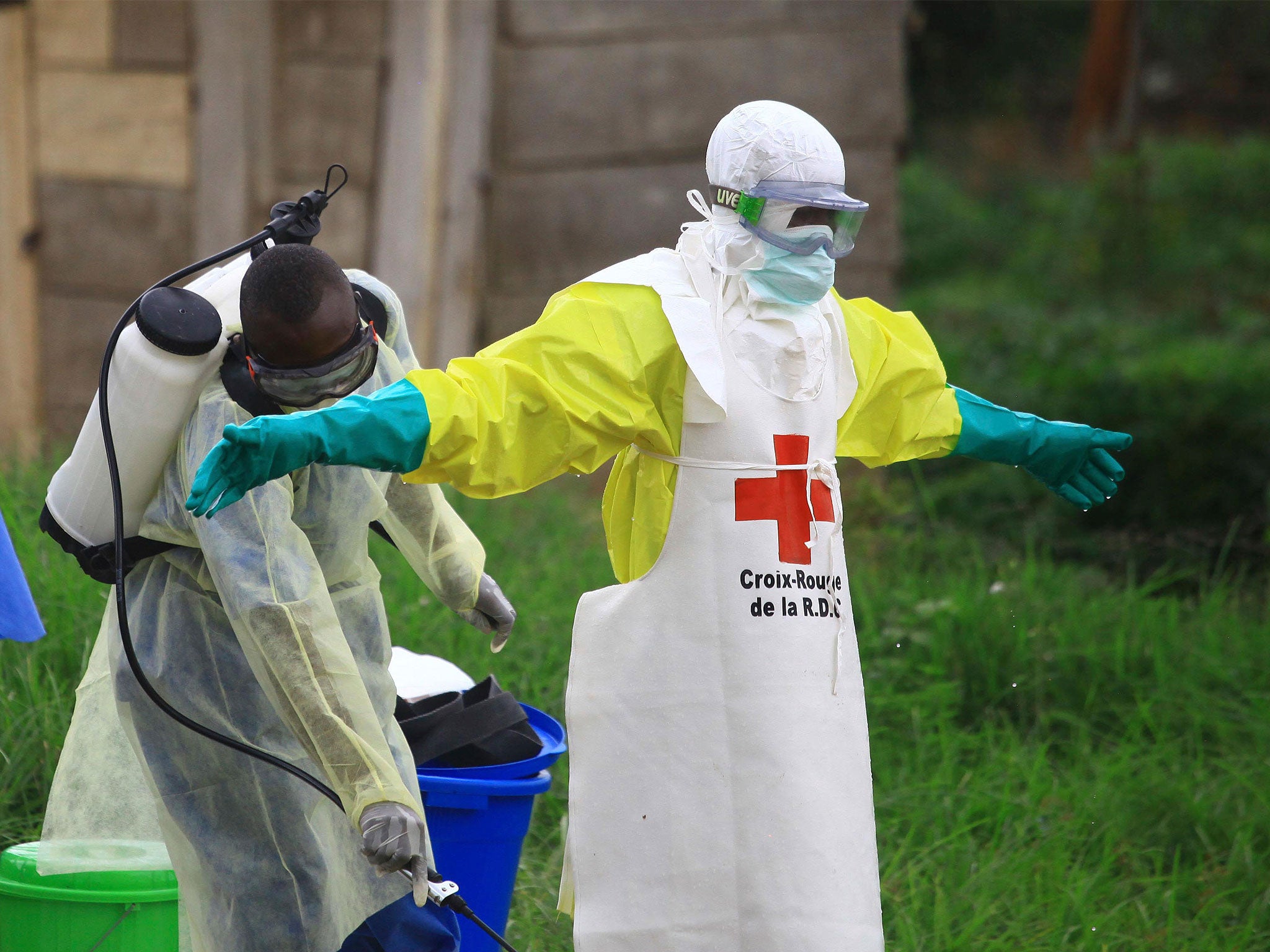 Bundibugyo virus disease is a severe illness caused by Bundibugyo virus, one of the viruses responsible for Ebola disease. The virus was identified during an outbreak in Uganda in 2007, and subsequent outbreaks have been recorded in parts of Africa.
The disease can cause fever, weakness, headache, muscle pain, vomiting, and diarrhoea. Severe cases may involve bleeding and organ dysfunction. Its early symptoms can resemble those of other illnesses, making laboratory testing important for accurate diagnosis.
Transmission occurs primarily through direct contact with the blood or other bodily fluids of an infected person who is symptomatic, or through contact with contaminated materials. The disease is not generally transmitted through the air in the same way as airborne infections such as measles.
The Bundibugyo virus is distinct from the Zaire ebolavirus, which has caused some of the largest and deadliest Ebola outbreaks. Vaccines and treatments developed specifically for Zaire ebolavirus should not automatically be assumed to protect against Bundibugyo virus.
There is no universally approved, specifically targeted vaccine or treatment established for Bundibugyo virus disease. Medical care therefore relies substantially on supportive treatment, including fluid replacement, management of complications and close clinical monitoring.
Early detection, isolation where appropriate, infection prevention and control, and contact tracing are important components of outbreak management.
Nigeria’s confirmed imported case has consequently prompted public health authorities to strengthen monitoring and containment measures to reduce the risk of further transmission.
The identification of 53 primary contacts provides a starting point for the ongoing surveillance operation, although their monitoring does not by itself indicate that the virus has spread beyond the confirmed patient.
Ebola Patient Reportedly Evacuated From Nigeria Via Air Ambulance
ARISE News reports that a woman identified as Nigeria’s Ebola index patient was evacuated early this morning via air ambulance from the private jet wing of Nnamdi Azikiwe International Airport, Abuja.
The woman, reportedly the wife of a Swiss diplomat, was transported from the city centre in a convoy accompanied by diplomatic vehicles before being flown out. The Federal Government had yet to officially announce the evacuation, according to the report.
— THEWILL NEWSPAPER (@THEWILLNG) October 26, 2026
Felix Ifijeh is a journalist with years of professional reporting experience. Known for his keen news sense, compelling storytelling and commitment to accurate, impactful reporting, he has built a reputation for turning leads into clear, engaging, and well-structured reports that resonate with readers. His work reflects deep newsroom experience and a commitment to accurate, impactful journalism.
