
-
Oil marketers imported 244.9 million litres of diesel in July, accounting for almost one-third of total supply as domestic refining struggled to meet demand.
-
Modular refineries supplied 18.35 million litres of diesel, or about 2.5 percent of total supply, with operators blaming inadequate crude feedstock for low output.
-
NMDPRA data showed that none of NNPC’s three refineries produced in July, leaving imports and private refineries to meet domestic diesel demand.
September 03, (THEWILL) — Nigeria’s diesel supply remained dependent on imports in July 2026, with oil marketing companies bringing in 244.9 million litres of automotive gas oil, popularly known as diesel, as modular refineries contributed only a share of domestic output.
The figures were contained in the midstream and downstream statistics for July 2026 released by the Nigerian Midstream and Downstream Petroleum Regulatory Authority.
Total diesel supply averaged 23.6 million litres per day during the month, translating to about 731.6 million litres over 31 days.

Domestic refineries, including Dangote and other facilities, supplied 486.7 million litres, while imports accounted for 244.9 million litres.
Modular refineries contributed 18.35 million litres, equivalent to about 2.5 percent of total diesel supply.
Modular refinery output remains low
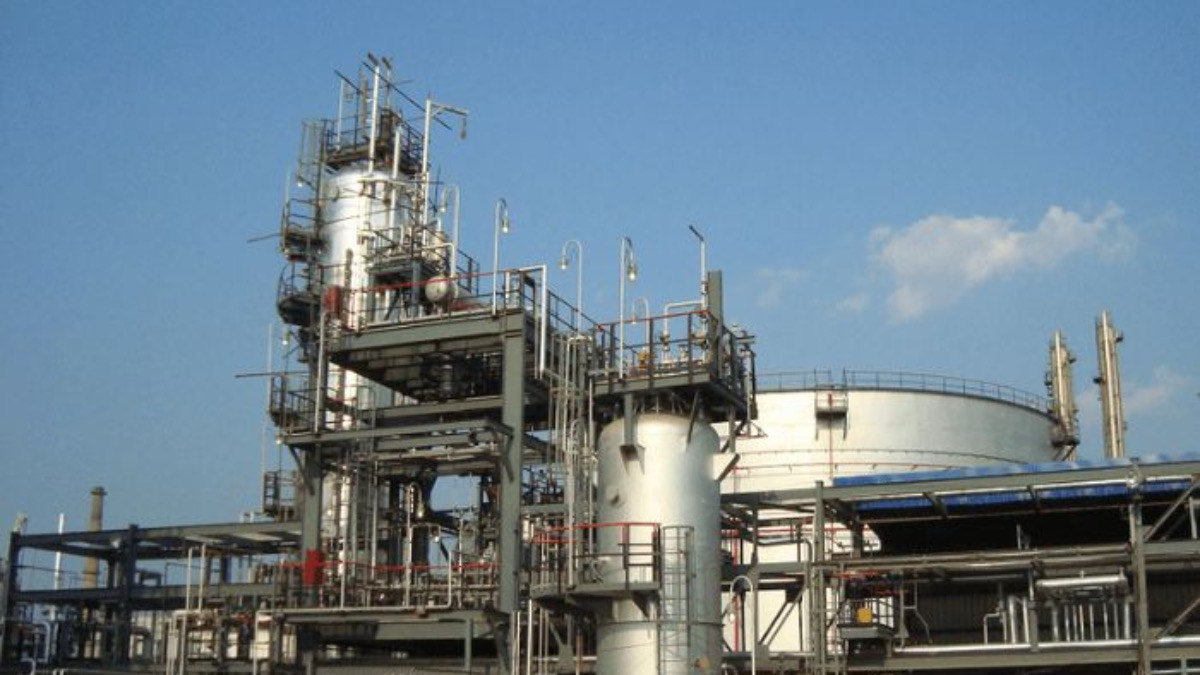
WalterSmith recorded the highest daily average supply among modular refineries at 341,000 litres, with capacity utilisation of 70.42 percent.
Aradel supplied 144,000 litres per day at 36.32 percent capacity utilisation, while Edo Refinery supplied 107,000 litres daily and recorded the highest utilisation rate at 95.72 percent.
OPAC supplied 7,000 litres per day, with capacity utilisation of 0.86 per cent, while Duport Refinery was listed as shut down.
The performance highlights the limited contribution of modular refineries despite efforts to expand domestic refining and reduce dependence on imported petroleum products.
The situation was compounded by the absence of output from NNPC’s three refineries. Port Harcourt Refining Company was listed as shut down in June and July, while Warri Refining and Petrochemical Company and Kaduna Refining and Petrochemical Company were both listed as not producing.
READ ALSO:
Crude supply constrains smaller refineries

The weak performance has renewed concerns over access to crude feedstock for smaller domestic refineries.
The Crude Oil Refineries Association of Nigeria has said modular refineries could supply more than 10 per cent of Nigeria’s diesel requirements if they had adequate crude.
CORAN Publicity Secretary, Eche Idoko, said the contribution did not reflect the sector’s actual capacity.
“Our capacity is more than two per cent. We have the capacity to produce up to 10 per cent of our current diesel need, or 15 per cent, if we have enough crude supply,” he said.
Idoko said the association had repeatedly sought the extension of the naira-for-crude arrangement to modular refineries, but the request had yet to be implemented.
“We have argued; we have contended that the naira-for-crude deal be extended to modular refineries. Up until now, nothing has been done,” he said.
He said facilities such as OPAC were operating far below their potential because of inadequate feedstock.
Imports fill domestic supply gap
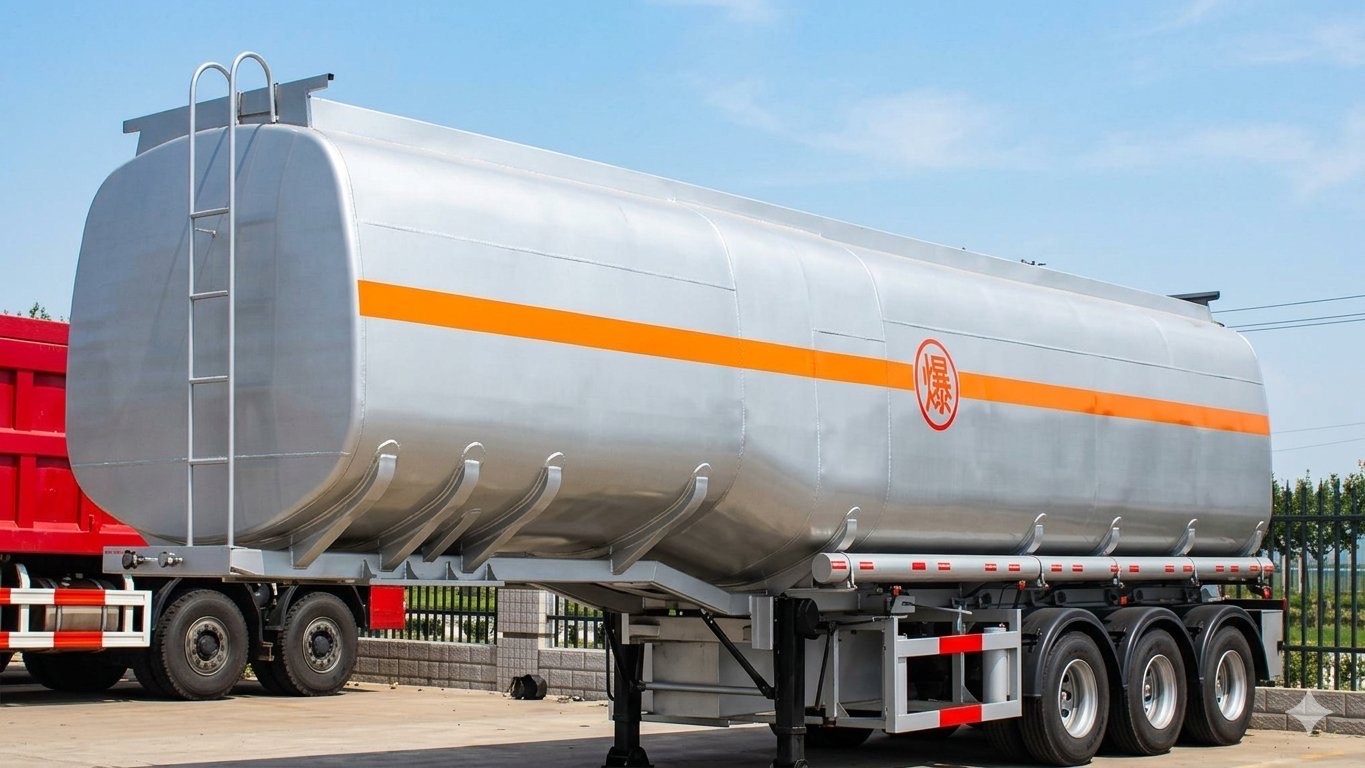
The July data shows that while domestic refineries remained the largest source of diesel supply, imports still represented about one-third of total receipts.
Nigeria also recorded average daily receipts of 45.5 million litres of petrol and 1.9 million litres of aviation fuel during the month, while liquefied petroleum gas receipts averaged 5.3 thousand tonnes daily.
The figures underscore the gap between Nigeria’s ambition to deepen domestic refining and the capacity of smaller refineries to meet fuel demand.

Ogochukwu Onwaeze is a writer specializing in business and economic journalism. At THEWILL News Media, she translates market trends, financial developments, and policy shifts into clear and engaging stories.