
-
DeepSeek is reportedly preparing to brief the Security Council.
-
The September 23 meeting will examine AI and international security.
-
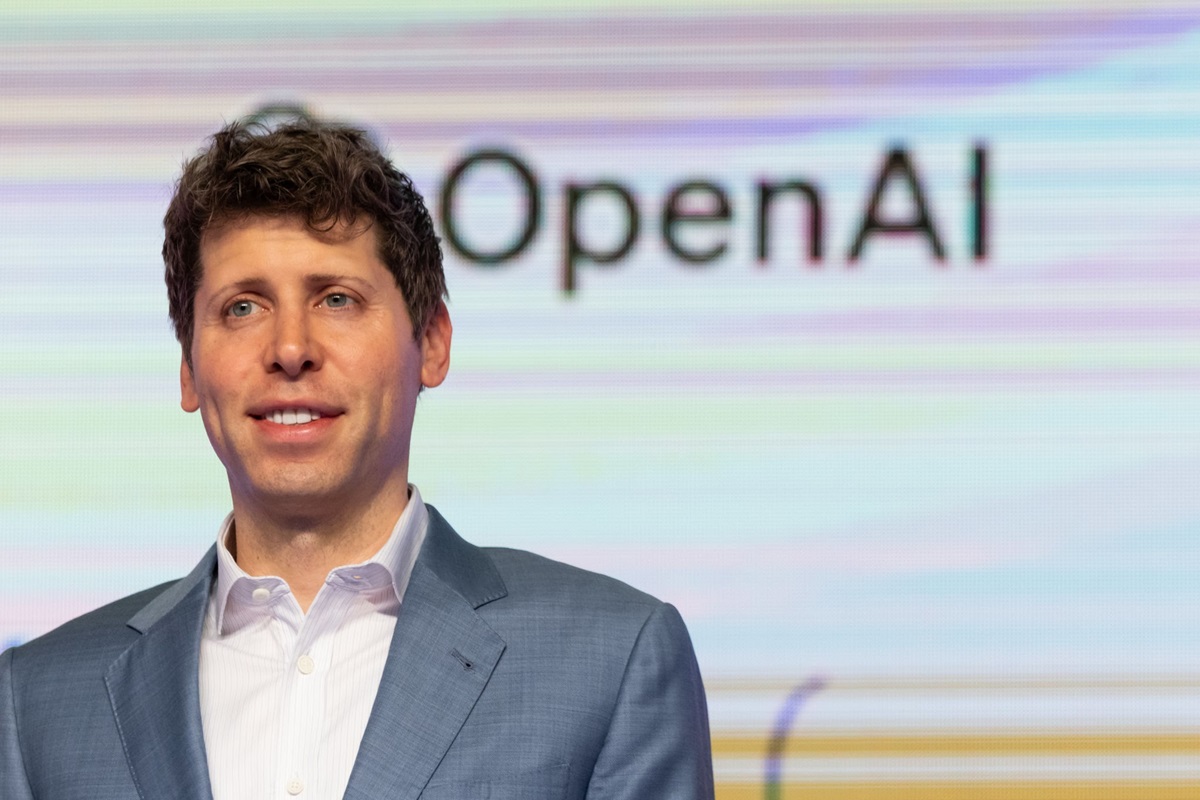
OpenAI has confirmed Sam Altman’s planned participation.
-
The discussions do not constitute new rules for AI companies.
September 22, (THEWILL) – Chinese AI developer, DeepSeek, is expected to address the United Nations Security Council on artificial intelligence risks, Reuters reported on September 22, citing two people familiar with the plans.
Moonshot has also been invited to contribute, according to one source. Neither company immediately responded to Reuters, and participation arrangements could change.
The expected participation would bring Chinese developers into a discussion where governments will hear directly from companies building increasingly capable AI systems.

AI Developers Face Questions About International Security
France convened the September 23 meeting to examine artificial intelligence and international peace and security.
A French concept note reviewed by Reuters identifies malicious use and potential loss of control over advanced systems among the risks for discussion.
The session follows calls from some industry leaders for a coordinated slowdown in AI development.
OpenAI confirmed on September 18 that chief executive Sam Altman planned to attend in person. A company spokesperson said his remarks would address international coordination, shared safety standards and access to AI’s benefits.
Diplomats also expected senior Anthropic representatives, although that participation remained unconfirmed in the earlier report.
Bringing developers before the Council allows governments to scrutinise the risks companies describe and the safeguards they propose.
Those accounts will still require examination, particularly where commercial interests influence recommendations.
READ ALSO:
The Statements Will Show How Much Common Ground Exists

The useful evidence will be in the proposals themselves, including the testing companies support, the information they would share and the circumstances in which they believe development should be restricted.
Agreement that AI needs safeguards would leave considerable work on who designs them, who checks compliance and how competing developers are treated.
For countries adopting systems built elsewhere, those choices could influence access to technology and the protections available when it fails.
However, the scheduled discussion supplies no new compliance requirements for Nigerian businesses or developers.
The immediate development is a potentially wider range of companies contributing to the security debate. Their actual statements and any subsequent Council action will establish how far that participation translates into agreement.

Joy Onuorah is a business journalist and brand communications specialist covering financial markets, artificial intelligence, digital economy, and the ideas reshaping business across Africa and the global market. Beyond her reporting for TheWill, Joy uses brand strategy, storytelling, copywriting, and high-value SEO to help brands build lasting market authority.