
-
Nigeria’s oil refining sector expanded 43.94 percent year-on-year in Q2 2026, its strongest growth under the latest rebased GDP series.
-
The surge followed higher crude processing capacity at Dangote Refinery and a significant increase in crude supplied to domestic refiners.
-
The refining boom is reshaping Nigeria’s petroleum trade as rising domestic output supports growing exports of refined products.
September 01, (THEWILL) — Nigeria’s oil refining sector recorded its strongest quarterly expansion in the second quarter of 2026, growing by 43.94 percent year-on-year as increased activity at the Dangote Petroleum Refinery continued to transform domestic refining.
The figure was contained in the National Bureau of Statistics’ Q2 2026 GDP report released on Monday, showing a sharp acceleration in refining activity compared with the second quarter of 2025 and previous quarters under the rebased GDP series.
The latest performance reinforces the growing importance of domestic refining to Nigeria’s petroleum industry, following years in which the country relied heavily on imported refined products despite being a major crude oil producer.

READ ALSO:
Dangote expands refining capacity
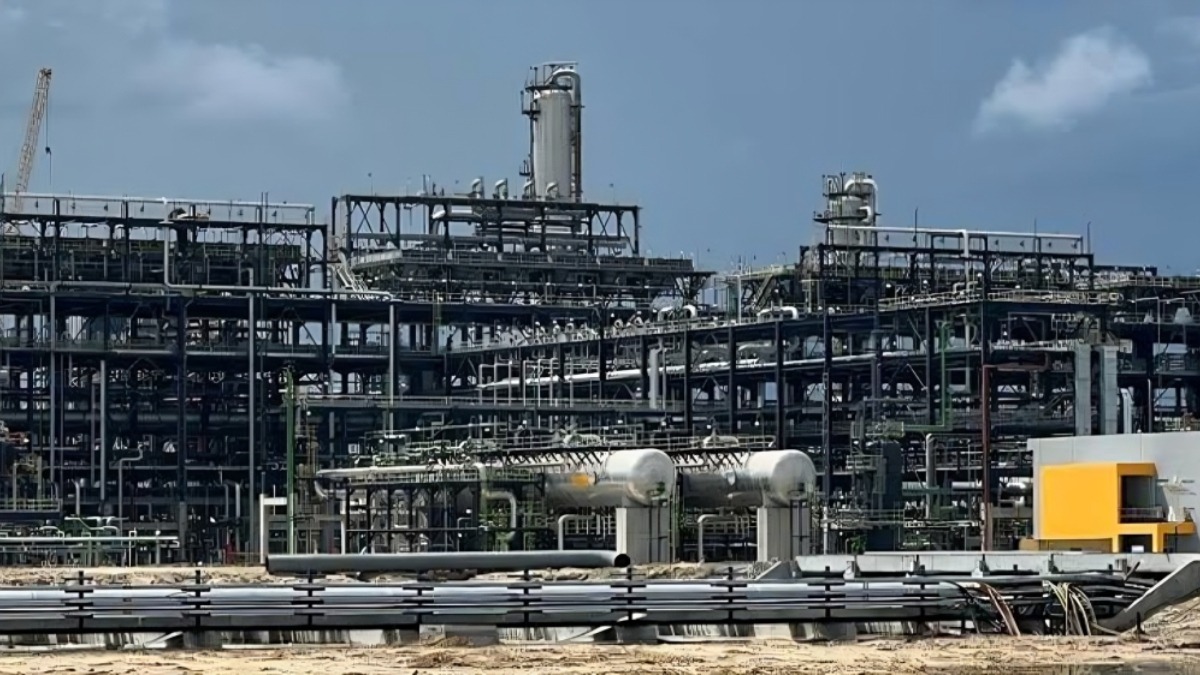
The acceleration coincides with increased operating capacity at the Dangote refinery, which completed maintenance and expansion work in February 2026.
The facility’s crude distillation capacity rose from 650,000 barrels per day to 700,000 barrels per day following the expansion, strengthening its position as the country’s largest refining facility.
The higher capacity has also coincided with increasing crude supply to domestic refineries and rising shipments of refined petroleum products from Nigeria to international markets.
Data from the Nigerian Upstream Petroleum Regulatory Commission showed that domestic crude and condensate supply to local refineries reached 97.4 percent in the second quarter.
A total of 53.7 million barrels was supplied between April and June, with Dangote accounting for the overwhelming share of crude offered to domestic refiners.
The refinery required 63 million barrels during the quarter, while producers offered 68.1 million barrels. Dangote ultimately accepted 52.6 million barrels, equivalent to about 78 percent of the volume offered to it.
The improvement was significant compared with the first quarter, when only 28.5 million barrels were delivered to all domestic refineries despite 61.9 million barrels being allocated and 68.7 million barrels offered by producers.
Refining growth accelerates
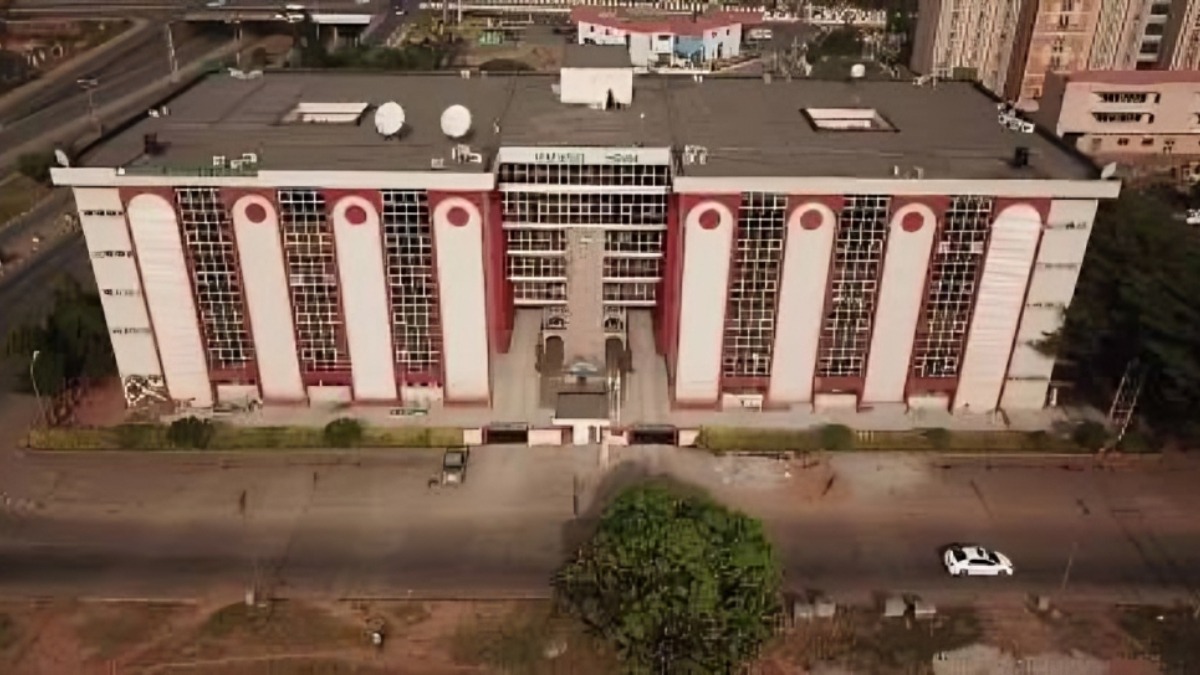
The latest NBS figures show how rapidly refining activity has expanded.
Under the rebased GDP series, oil refining grew 37.46 percent year-on-year in the first quarter of 2025 before reaching 43.94 percent in the second quarter of 2026.
The sector had recorded growth of 19.42 percent in Q3 2024 and 12.33 percent in Q4, while full-year growth stood at 14.08 percent.
The latest expansion represents a significant acceleration compared with the earlier period and highlights the increasing contribution of large-scale private refining to the sector.
The growth has also been reflected in the value of refining activity at current basic prices. The sector’s output value rose from about N2.46 billion in Q1 2026 to N5.36 billion in Q2, representing a 90.85 percent year-on-year increase.
Oil sector also records stronger growth
 The refining expansion occurred alongside an improvement in Nigeria’s broader oil sector.
Average crude oil production increased to 1.72 million barrels per day in Q2 2026, from 1.68 million barrels per day in the corresponding period of 2025 and 1.55 million barrels per day in Q1 2026.
The oil sector grew 7.31 percent year-on-year during the quarter, compared with 2.57 percent in Q1. On a quarter-on-quarter basis, the sector expanded by 10.91 percent.
Its contribution to real GDP consequently increased to 4.16 percent, from 4.05 percent a year earlier and 3.92 percent in Q1 2026.
The broader economy also recorded stronger growth, with real GDP expanding 4.43 percent year-on-year in Q2 2026, compared with 4.23 percent in Q2 2025.
The non-oil sector remained dominant, accounting for 95.84 per cent of real GDP despite growing 4.31 percent during the quarter.
For Nigeria’s petroleum industry, however, the refining numbers point to a structural shift: the country is increasingly processing its crude domestically and becoming a significant exporter of refined petroleum products, with Dangote Refinery at the centre of that transformation.

Ogochukwu Onwaeze is a writer specializing in business and economic journalism. At THEWILL News Media, she translates market trends, financial developments, and policy shifts into clear and engaging stories.