
-
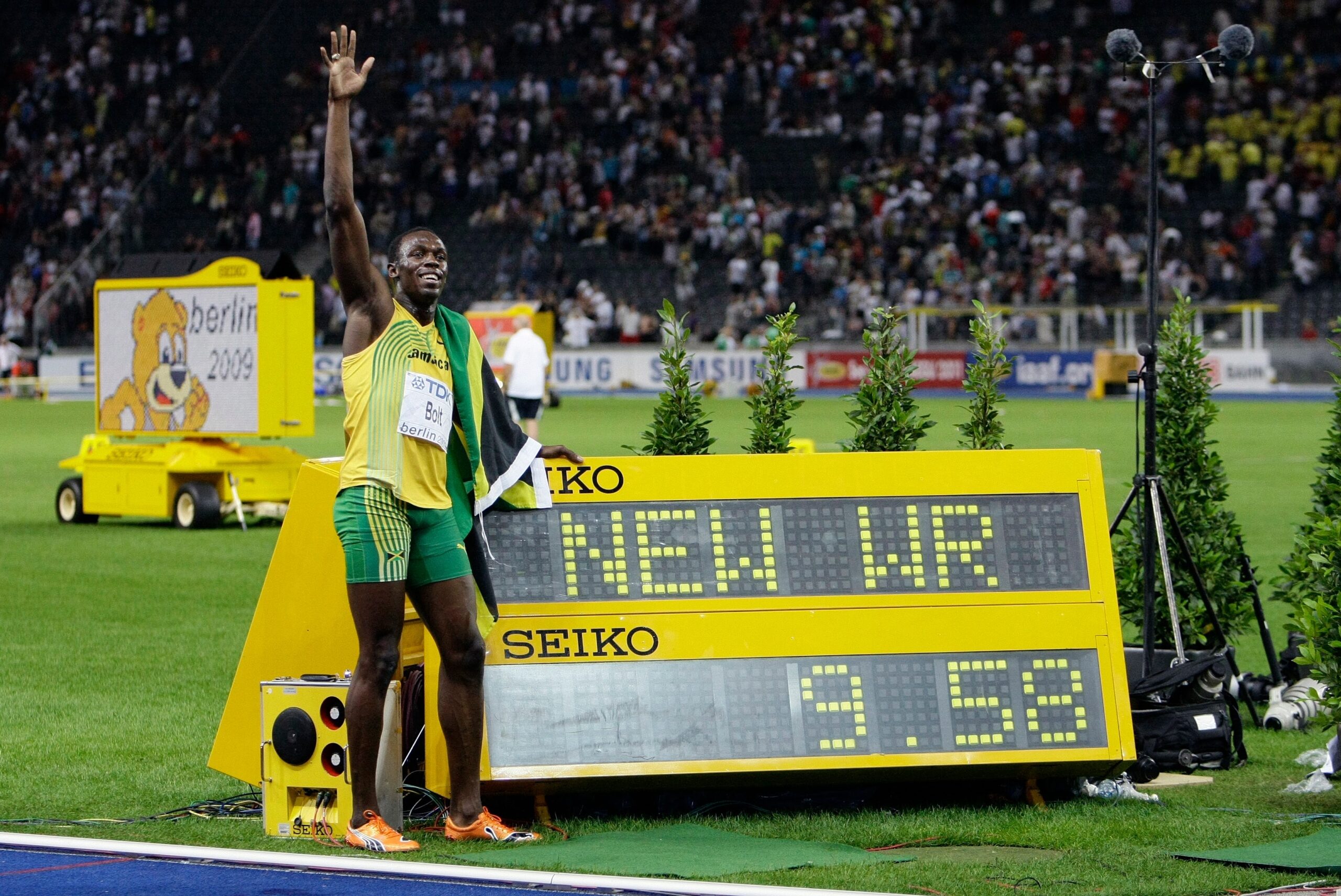
Tiangong Ultra ran 100 metres in 9.39 seconds at the World Humanoid Robot Games in Beijing, beating Usain Bolt’s 9.58-second world record by 0.19 seconds.
-
Lightning finished in 9.47 seconds after developers lengthened its legs to 1.05 metres to improve its stride and speed.
-
Tiangong Ultra made a dramatic leap from last year, when it won the 100-metre race in 21.50 seconds.
-
The result comes as China’s robotics industry attracts growing investor interest, with Unitree’s Shanghai debut pushing its valuation towards $50 billion.
August 23, (THEWILL) — For 17 years, Usain Bolt’s 9.58-second run at the 2009 Berlin World Athletics Championships has defined the outer limits of human sprinting. In Beijing on Saturday, a machine covered the same distance faster and finished the 100 metres in 9.39 seconds.
Tiangong Ultra, which the Beijing Humanoid Robot Innovation Center developed, had a shaky start and initially fell behind Lightning. Its balance and movement systems helped it recover and accelerate into the lead, while Lightning crossed the line in 9.47 seconds.
Engineers did not achieve that speed by chance. They can change a robot’s physical design and movement software in ways that human athletes cannot replicate. Lightning’s developers, for instance, lengthened its legs by 10 centimetres to 1.05 metres ahead of the competition. Testing reportedly showed the robot reaching 14.5 metres per second.

Last year’s race offers the most striking comparison. Tiangong Ultra needed 21.50 seconds to win the 100 metres at the inaugural games in 2025. Twelve months later, engineers had cut more than half the time from its performance.
That pace of improvement has made humanoid robotics increasingly important to industry. Engineers can redesign and test motors, lightweight materials, sensors, batteries and movement software in rapid cycles, improving machines far faster than biological athletes can improve their bodies.
READ ALSO:
The Race Behind the Race
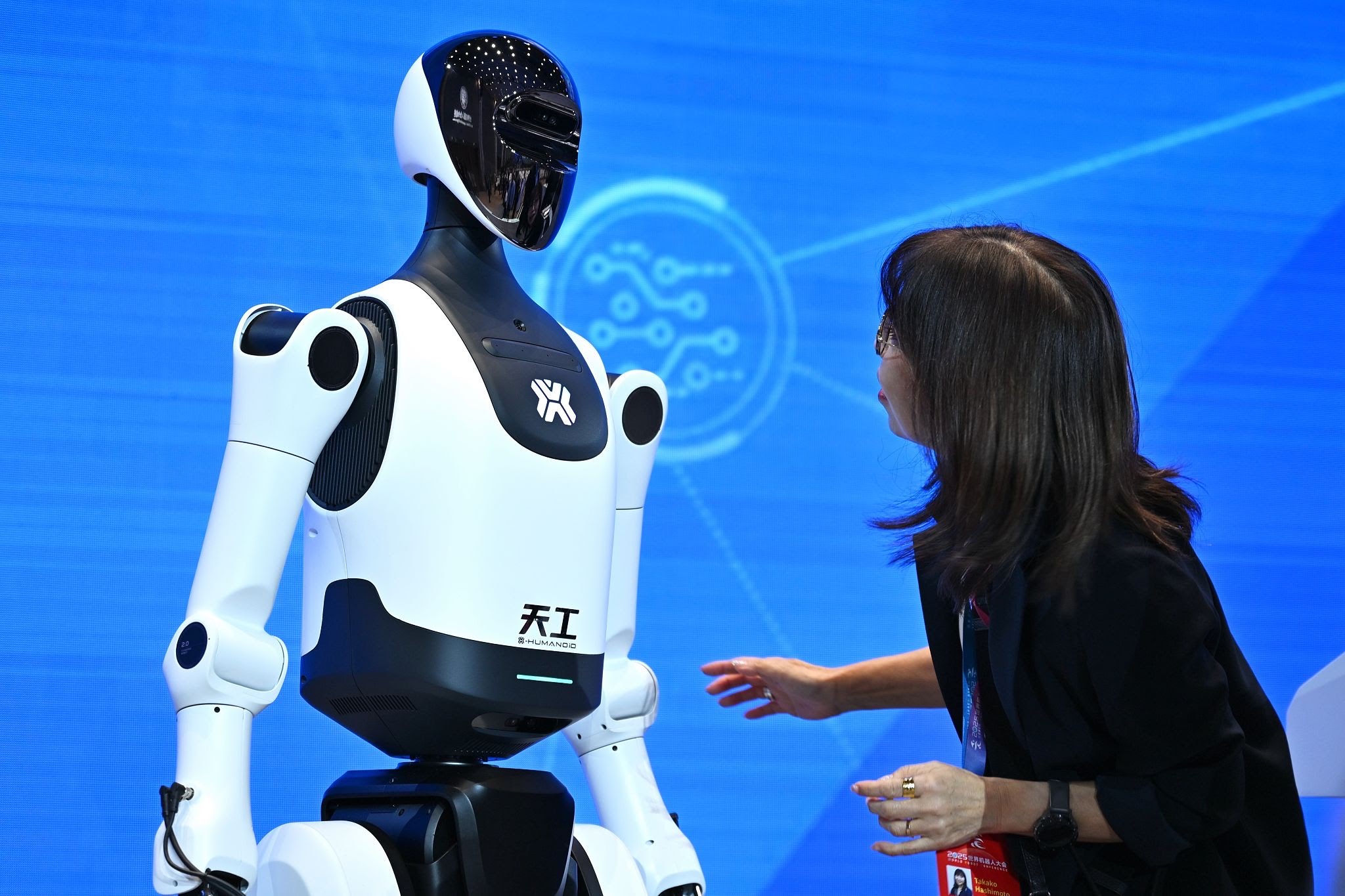
The sprint forms part of a much larger push in China to develop humanoid robots for factories, warehouses, logistics operations and care work. Competitions such as the Beijing games give engineers a demanding public test of balance, coordination, speed and recovery under pressure.
Investors are paying attention. Unitree, one of China’s leading robotics companies, made its debut on the Shanghai Stock Exchange shortly before the games. Its shares reportedly jumped more than 500 percent in early trading, lifting its valuation towards $50 billion.
More than 2,000 robots from 16 countries are competing across 51 events in Beijing. The races may draw the crowds, but engineers are using the competition to test how quickly hardware and software can push humanoid robots closer to practical use.
Bolt’s 9.58 seconds remains the human record. Tiangong Ultra’s 9.39 seconds belongs to a different category, but the performance shows how quickly engineers can redesign, improve and push machines towards limits that once belonged only to elite human athletes.

Joy Onuorah is a business journalist and brand communications specialist covering financial markets, artificial intelligence, digital economy, and the ideas reshaping business across Africa and the global market. Beyond her reporting for TheWill, Joy uses brand strategy, storytelling, copywriting, and high-value SEO to help brands build lasting market authority.