
-
Brent crude fell 2.5 percent to $103.13 a barrel on Thursday, its lowest level in a week, as concerns over prolonged Middle East supply disruptions eased.
-
Saudi Arabia is reportedly offering additional crude cargoes to Asian refiners while working to restore part of the capacity of its damaged East-West pipeline.
-
Oil had climbed as high as $109 earlier in the week, prompting the Dangote Petroleum Refinery to raise petrol prices amid the surge.
September 18, (THEWILL) – Crude oil prices fell about two per cent on Thursday as easing concerns over disruptions to Middle East supplies prompted traders to take profits after a sharp rally earlier in the week.
Brent crude futures fell $2.67, or 2.5 percent, to $103.13 a barrel, from around $105 on Wednesday, according to Reuters. US West Texas Intermediate crude declined $1.61, or 1.6 percent, to $100.82 a barrel.
The decline took Brent to its lowest level in one week after the benchmark had climbed to about $109 earlier in the week on fears that attacks and disruptions in the Middle East could significantly reduce global supplies.

The surge had also triggered a petrol price increase by the Dangote Petroleum Refinery as higher international crude prices raised the cost of crude-based products.
Saudi Arabia moves to ease supply concerns
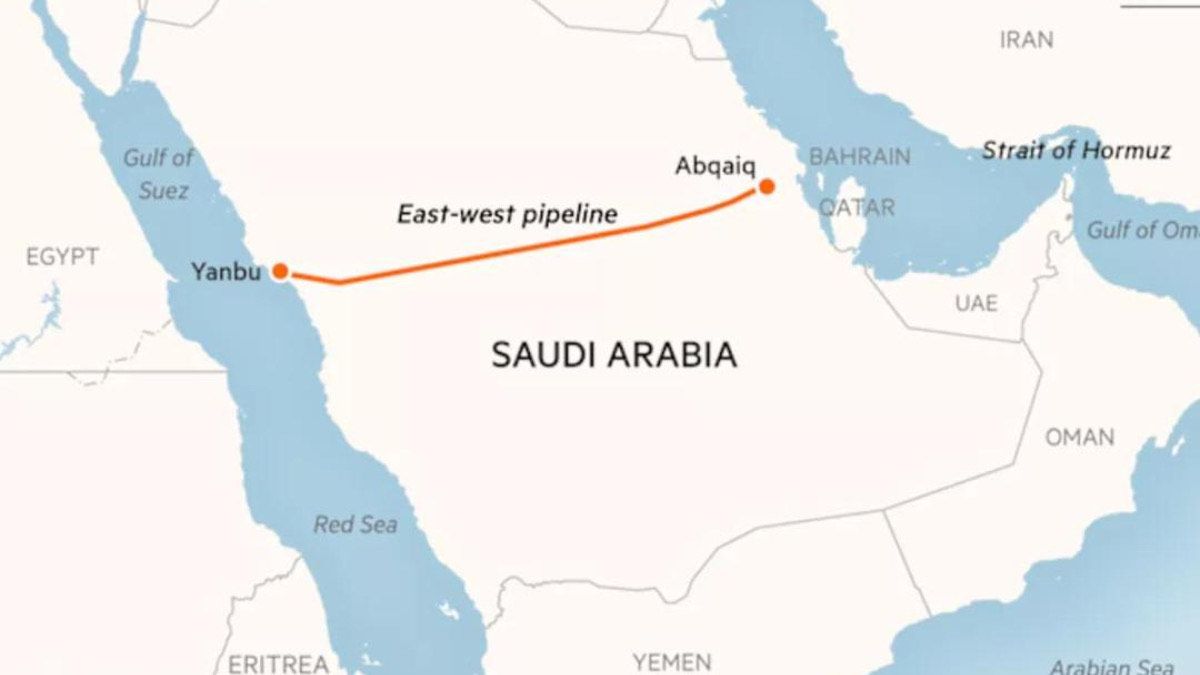
The latest decline followed reports that Saudi Arabia was offering additional crude cargoes to Asian refiners through ship-to-ship transfers off Oman’s Sohar port.
The additional supplies are expected to partly offset disruptions caused by attacks on Saudi Arabia’s East-West pipeline, which transports crude to the Red Sea export terminal at Yanbu.
Saudi Arabia is also seeking to restore about half of the pipeline’s capacity within days, according to a Bloomberg report cited by Reuters.
The pipeline links Saudi oilfields to Yanbu and provides an alternative export route that reduces the country’s reliance on shipments through the Strait of Hormuz.
READ ALSO:
Pipeline disruption remains a risk
Oil prices had surged to around four-month highs after shipping industry sources reported that crude loadings at Yanbu had been suspended and Saudi Arabia had cancelled some cargo deliveries to European customers.
Traders estimated that a prolonged shutdown of the pipeline could remove as much as four per cent of global oil supply from the market.
Reuters reported that attacks last week damaged the East-West pipeline and affected three pumping stations.
However, the timeline for full repairs remained uncertain, based on assessments from three oil and security sources.
US Energy Secretary Chris Wright had earlier indicated that the pipeline could return to service within days, helping to reduce fears of a prolonged supply disruption.
The latest price decline therefore reflects a shift in market expectations rather than the complete removal of supply risks.
Traders remain focused on the pace of repairs, Saudi Arabia’s ability to maintain alternative crude deliveries and whether further attacks could disrupt production or export infrastructure in the region.

Ogochukwu Onwaeze is a writer specializing in business and economic journalism. At THEWILL News Media, she translates market trends, financial developments, and policy shifts into clear and engaging stories.