
-
The Federal Government has raised ₦1.23 trillion through its first phase of a power-sector debt settlement programme.
-
Transcorp Power’s nine-month revenue fell 13.7% to ₦266.1 billion, despite a sharp improvement in cash reserves.
-
Gas shortages, damaged transmission infrastructure and equipment delays continue to constrain generation.
-
Nigeria faces another financial challenge: preventing new unpaid obligations from replacing the debts it has just settled.
November 16, (THEWILL) – Nigeria’s latest power-sector debt intervention has delivered some financial relief to electricity generators, but Transcorp Power’s latest results show that clearing old obligations has not removed the operational constraints limiting electricity production.
The Federal Government says ₦1.23 trillion has been raised under the first phase of its debt-reduction programme for generation companies. Also, the intervention forms part of a wider ₦4 trillion financing programme covering verified legacy obligations.
Transcorp Power, one of the beneficiaries, reported a 365% increase in cash and cash equivalents to ₦10.3 billion at the end of September 2026. Its nine-month revenue, however, declined 13.7% from ₦308.54 billion to ₦266.14 billion.
The company’s results expose a weakness in the government’s approach. Paying generators for electricity already supplied can improve their ability to meet financial obligations, but it does not guarantee sufficient gas, functioning transmission lines or the equipment required to increase output.
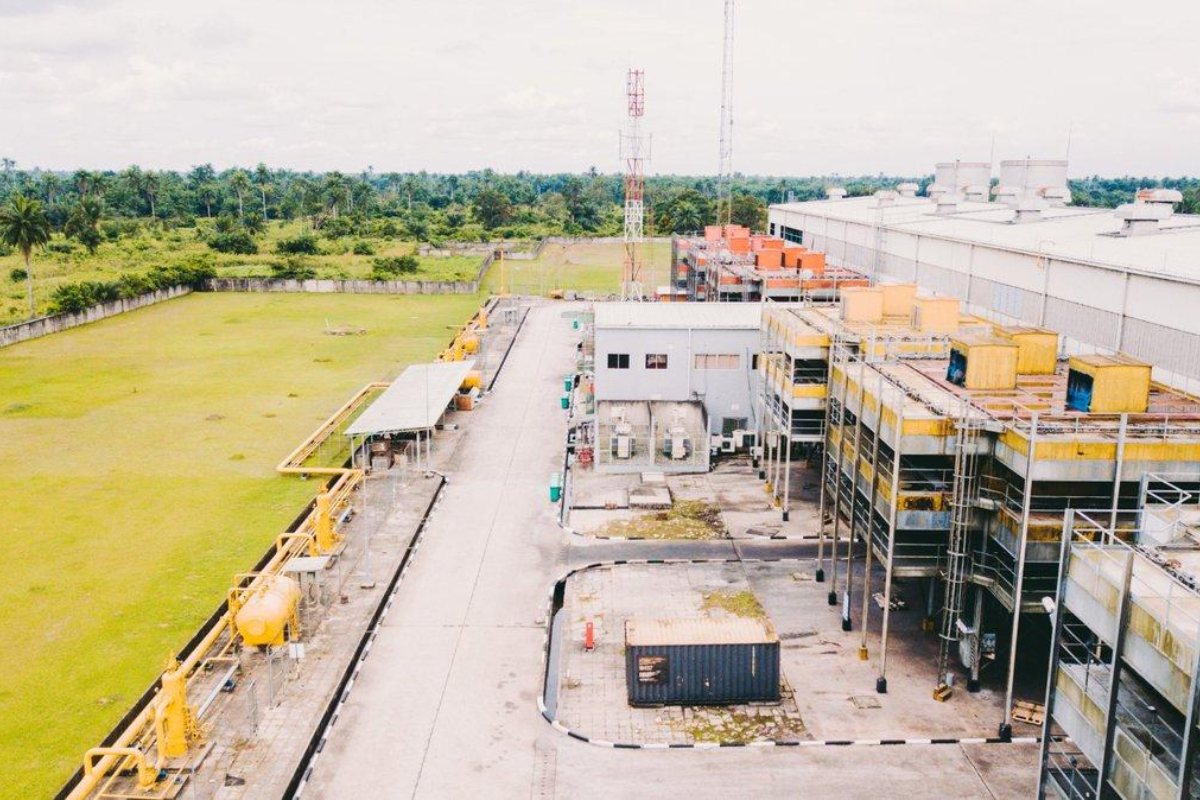
Transcorp’s Cash Reserves Have Improved, But Revenue Has Fallen
Transcorp Power’s unaudited results for the nine months ended September 30 show that cash and cash equivalents increased to ₦10.3 billion, while revenue fell to ₦266.14 billion from ₦308.54 billion in the corresponding period of2025.
Profit before tax also declined from ₦91.18 billion to ₦83.08 billion.

The company attributed the weaker revenue to vandalisation of transmission infrastructure, gas supply constraints and delays in receiving critical turbine components.
Its financial position has benefited from improved collections, partial settlement of legacy market debts and the reversal of expected credit-loss provisions.
However, the company still reported approximately ₦483 billion in trade and other receivables at the end of September. Its improved cash position has not eliminated the substantial amounts owed to it.
Transcorp operates the 972MW Ughelli Power Plant. Its experience illustrates the difficulty generators face when payments, fuel supply and the ability to deliver electricity depend on different institutions and infrastructure providers.
READ ALSO:
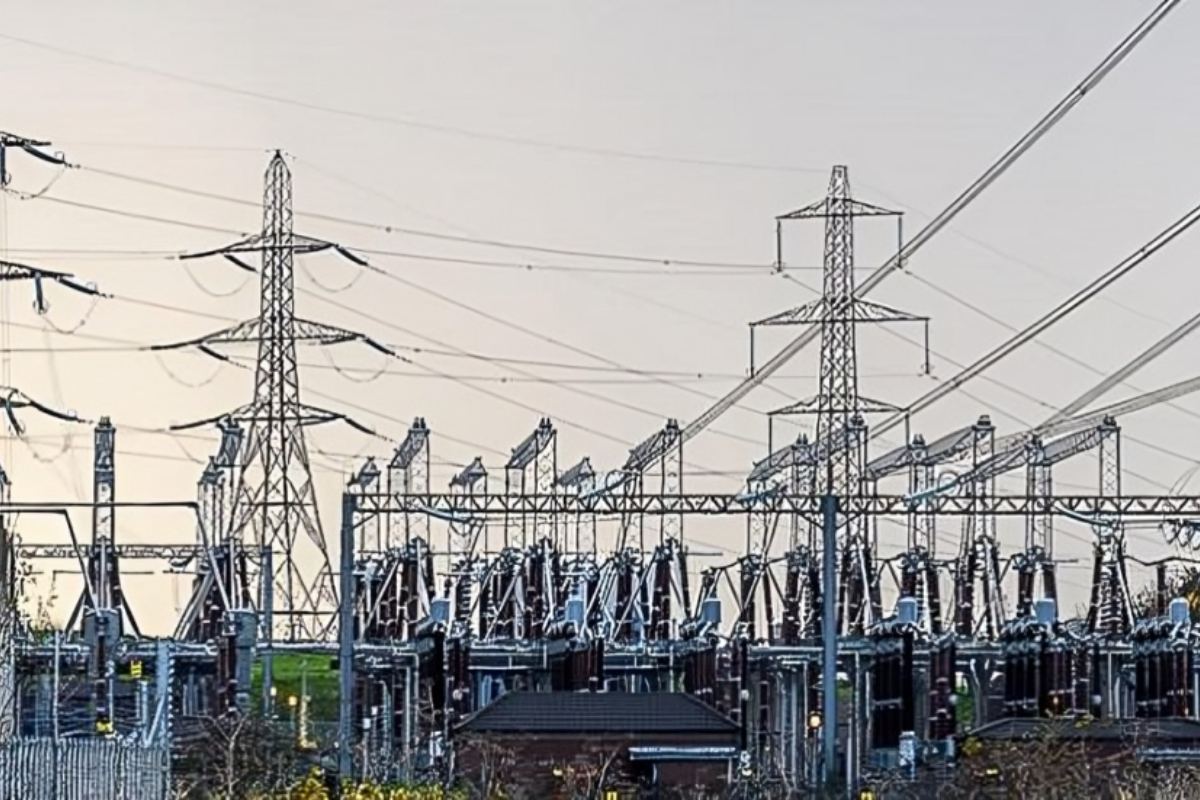 Transmission Infrastructure Is Restricting Value Of Available Generation Capacity
Nigeria’s transmission network cannot evacuate all the electricity generation companies could potentially supply. Damage to transmission infrastructure, inadequate network capacity and gas shortages all restrict the amount reaching the national grid.
Power Minister Joseph Tegbe recently put the country’s transmission wheeling capacity at approximately 5,000MW. The government plans to increase this to 19,000MW over two years through major grid investments. That figure is a target, not existing capacity.
The ministry is also auditing three major transmission corridors and plans to replace ageing infrastructure. A new national Control Centre is being constructed in Osogbo to improve grid monitoring.
These projects address a different part of the electricity market from the debt settlement. Generators need to be paid, but they also need fuel and a transmission network capable of carrying their output.
Settling Old Debts Doesn’t Prevent New Ones From Accumulating
The government’s financing intervention addresses obligations accumulated over several years. However, the market’s current financial problems extend beyond historical debts.
Nigeria’s electricity market has a persistent gap between the revenue collected from consumers and the cost of supplying electricity. Subsidies and unpaid market obligations have to cover some of that difference.
In September 2026, the Federal Government issued a ₦728.98 billion Series 2 bond under its Power Sector Multi-Instrument Issuance Programme.
The issuance comprised ₦402 billion in cash bonds and ₦326.98 billion in non-cashbonds for participating generation companies.
The Association of Power Generation Companies says the two bond series raised a combined ₦1.23 trillion under Phase One.
Another concern is the sector’s estimated annual revenue shortfall of approximately ₦1.7 trillion, according to Nigerian Bulk Electricity Trading Plc figures reported by The Guardian.
Without improvements in electricity collections, tariff funding, gas supply and transmission infrastructure, the market risks accumulating fresh obligations even after the old ones have been settled.
The government’s intervention has given generators some financial breathing room.
Its success should now be judged by two outcomes: whether electricity companies can sustain their operations without accumulating fresh unpaid bills, and whether consumers actually receive more reliable electricity.
Nigeria cannot keep treating the settlement of old power debts as evidence that the electricity market has recovered.

Joy Onuorah is a business journalist and brand communications specialist covering financial markets, artificial intelligence, digital economy, and the ideas reshaping business across Africa and the global market. Beyond her reporting for TheWill, Joy uses brand strategy, storytelling, copywriting, and high-value SEO to help brands build lasting market authority.