
-
Eligible Nigerians can apply for postgraduate study in four African countries.
-
Funding covers tuition for up to two years, plus living and travel support.
-
Recipients must commit to working in Africa for two years after graduation.
-
Applications close at 12.59 am Nigerian time on October 8.
October 6, (THEWILL) – Nigerian graduates seeking postgraduate training in actuarial science, insurance and agricultural statistics have until early Thursday to apply for scholarships covering tuition, living expenses and travel at participating African institutions.
The ARC–GSSP Scholarship Programme, run by African Risk Capacity Limited and the Global Shield Solutions Platform, closes at 11.59 pm GMT on October 7, equivalent to 12.59 am WAT on October 8.
Applications opened in September. Funding supports up to two years of study, with additional expenses covered under the award’s terms. The programme aims to develop professionals who can help African countries manage climate and disaster risks.

Who Qualifies For Funding
Applicants must be citizens of African Union member states and hold a relevant undergraduate qualification. Eligible backgrounds include mathematics, statistics, engineering, actuarial science, environmental management and disaster risk management.
They must also meet their chosen institution’s admission requirements, complete an internship under the programme and commit to working in Africa for two years after graduating. The official scholarship page provides the conditions and application links.
READ ALSO:
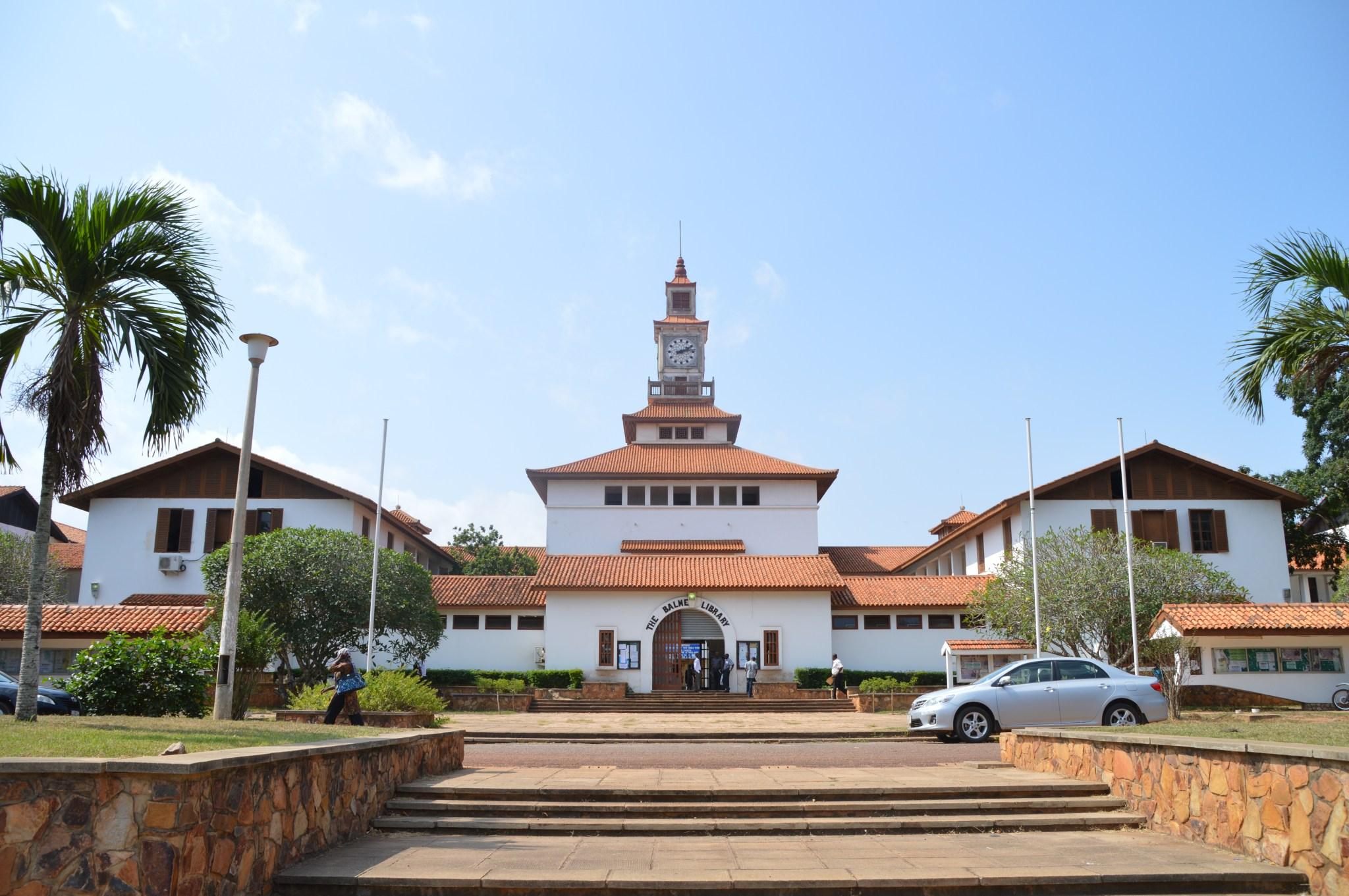
Course choices vary by institution. The University of Cape Town offers a postgraduate diploma in actuarial science, while the University of Ghana lists MSc and MPhil programmes in the subject.
In Côte d’Ivoire, ENSEA offers master’s programmes in actuarial science and agricultural statistics. Senegal’s IFAGE lists professional master’s programmes in actuarial science and insurance.
Applicants must satisfy the language requirements of their selected course.

Two Applications To Complete
University admission and scholarship selection are separate processes. Submitting the funding application does not secure a university place, and the award depends on admission.
The application form requests first- and second-choice institutions, academic information, motivation statements and contact details for two referees. Applicants should obtain their referees’ permission before providing those details. Anyone already admitted must upload evidence.
Intake dates also differ. The form lists January 2027 for Cape Town, Ghana and IFAGE, while ENSEA’s listed intake is September 2027. Applicants therefore need to check their university’s own deadline as well as the scholarship closing date.
Before submitting, candidates should confirm that their chosen qualification appears among the funded programmes and that they have completed the separate admission steps required by the institution.

Joy Onuorah is a business journalist and brand communications specialist covering financial markets, artificial intelligence, digital economy, and the ideas reshaping business across Africa and the global market. Beyond her reporting for TheWill, Joy uses brand strategy, storytelling, copywriting, and high-value SEO to help brands build lasting market authority.