
-
Traditional festivals continue to bring communities together while attracting growing interest from people outside their places of origin.
-
Music, dance, food, clothing and rituals have become important parts of how these celebrations are experienced and shared.
-
Increased attention from tourists, the diaspora and wider media has helped local celebrations reach audiences far beyond their original communities.
-
Despite their growing popularity, these festivals remain closely tied to the histories, beliefs and traditions that shaped them.
September 18, (THEWILL) – Nigeria’s cultural identity is not only preserved in museums or history books. Across the country, communities continue to practice and celebrate traditions passed down through generations.
The global reach of these celebrations does not mean they have stopped being local. Their appeal comes from remaining connected to the communities, histories, and traditions that created them, even as their audiences grow.
A festival can move from a town square to Instagram, from a family gathering to an international news report, or from a local dish to a destination experience.

For a country with such a wide range of languages, histories, and customs, these festivals show how Nigerian culture can enter the modern world without losing its roots.
Here are seven Nigerian festivals taking local culture global.
1. Ojude Oba Festival, Ogun State
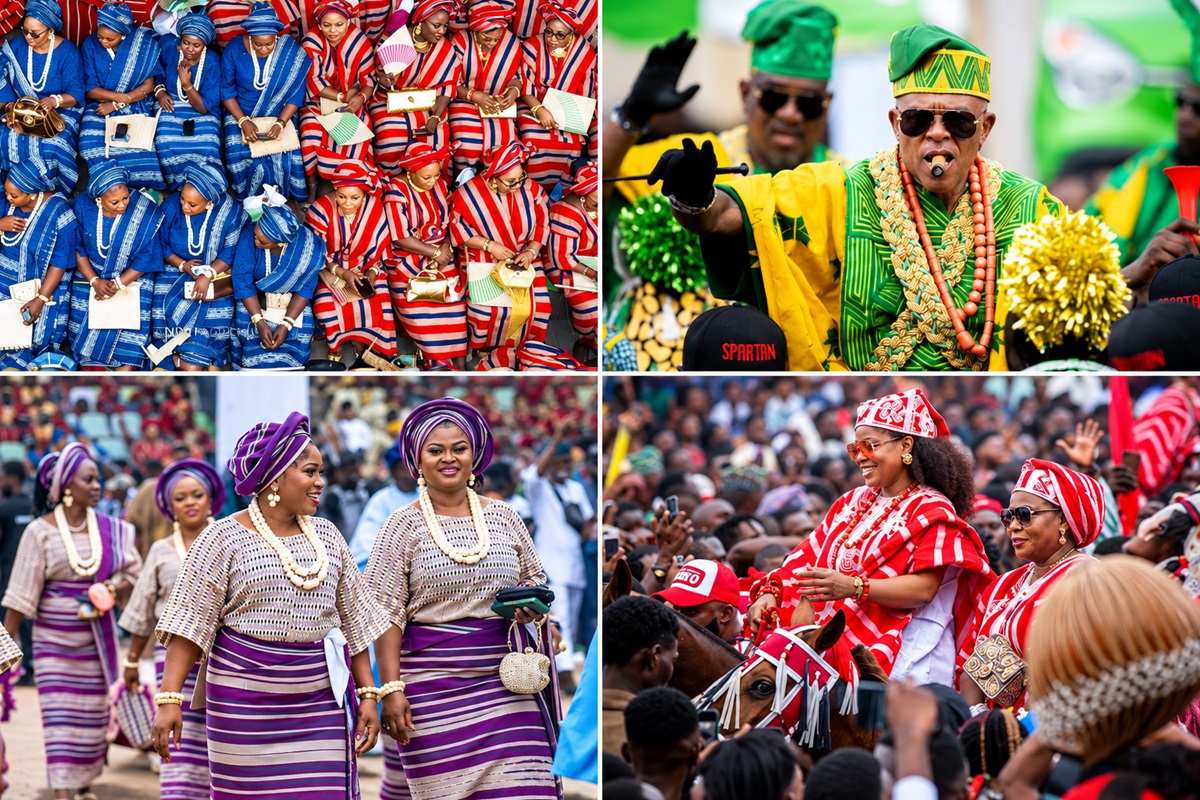
What began as a gathering of Ijebu people paying homage to the Awujale has grown into one of Nigeria’s most recognisable cultural celebrations.
Held annually in Ijebu-Ode after Eid-el-Kabir, Ojude Oba brings together families, age-grade groups and descendants of Ijebu communities in elaborate displays of fashion, music and tradition.
The Balogun horse parade is one of its biggest attractions, with riders representing historic warrior families appearing in carefully coordinated traditional outfits.
The festival has also become a major showcase for Nigerian fashion. The elaborate aso-oke, embroidery, colours, and coordinated family looks often travel far beyond the festival grounds through photographs and social media.
Its reach is no longer limited to people living in Ijebu-Ode. The festival has become a shared expression of identity for people across Nigeria and members of the Ijebu diaspora, showing how a local celebration can become part of a wider cultural conversation.
View this post on Instagram
View this post on Instagram
2. Osun-Osogbo Festival, Osun State
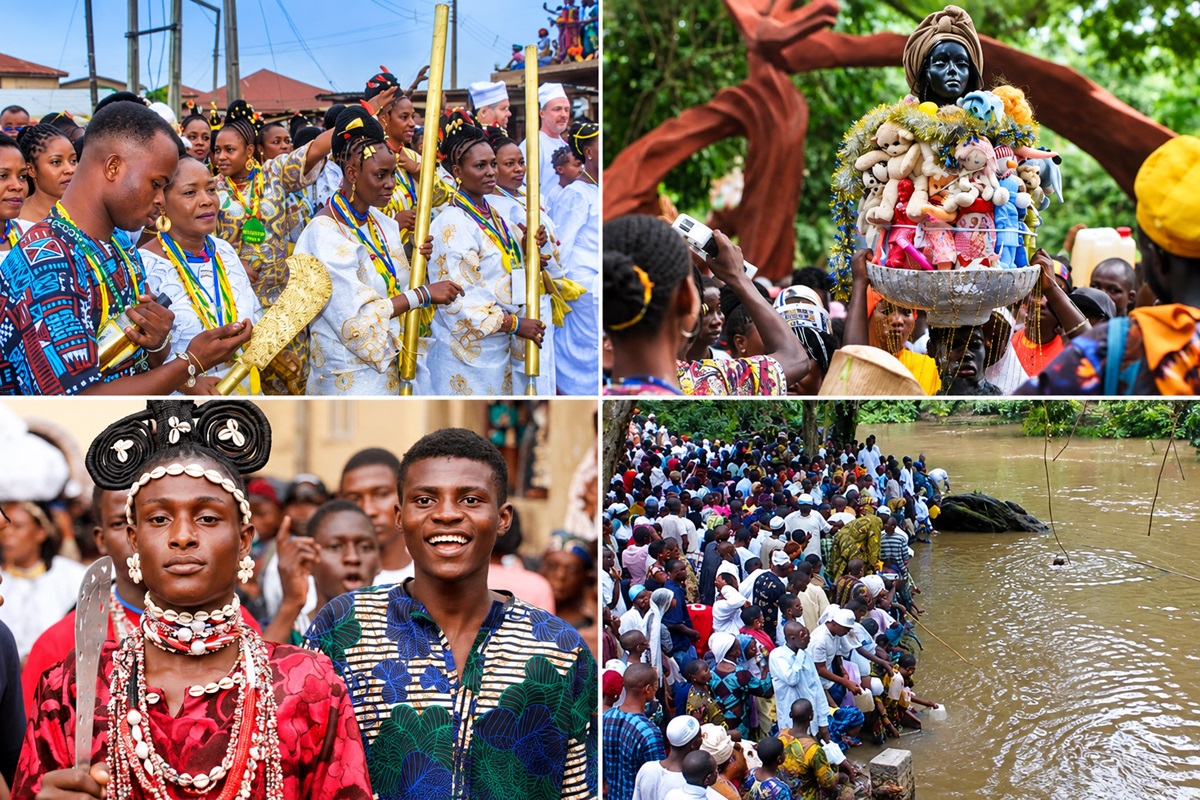
Few Nigerian festivals carry the same combination of spirituality, history and international heritage recognition as the Osun-Osogbo Festival.
Held annually in Osogbo, the festival honours Osun, the Yoruba river goddess, and culminates at the Osun-Osogbo Sacred Grove, a UNESCO World Heritage Site. The grove is considered one of the last surviving sacred forests of its kind in Yoruba culture, while the annual procession maintains the relationship between the community, the river and the deity.
The festival’s significance extends beyond the spectacle of its processions and ceremonies. It offers visitors an opportunity to encounter Yoruba cosmology, artistic traditions and spiritual practices within the community where they developed.
With international visitors able to attend the celebrations, Osun-Osogbo provides an opportunity for Yoruba heritage to be experienced by audiences beyond Nigeria.
3. Durbar Festival, Kano State
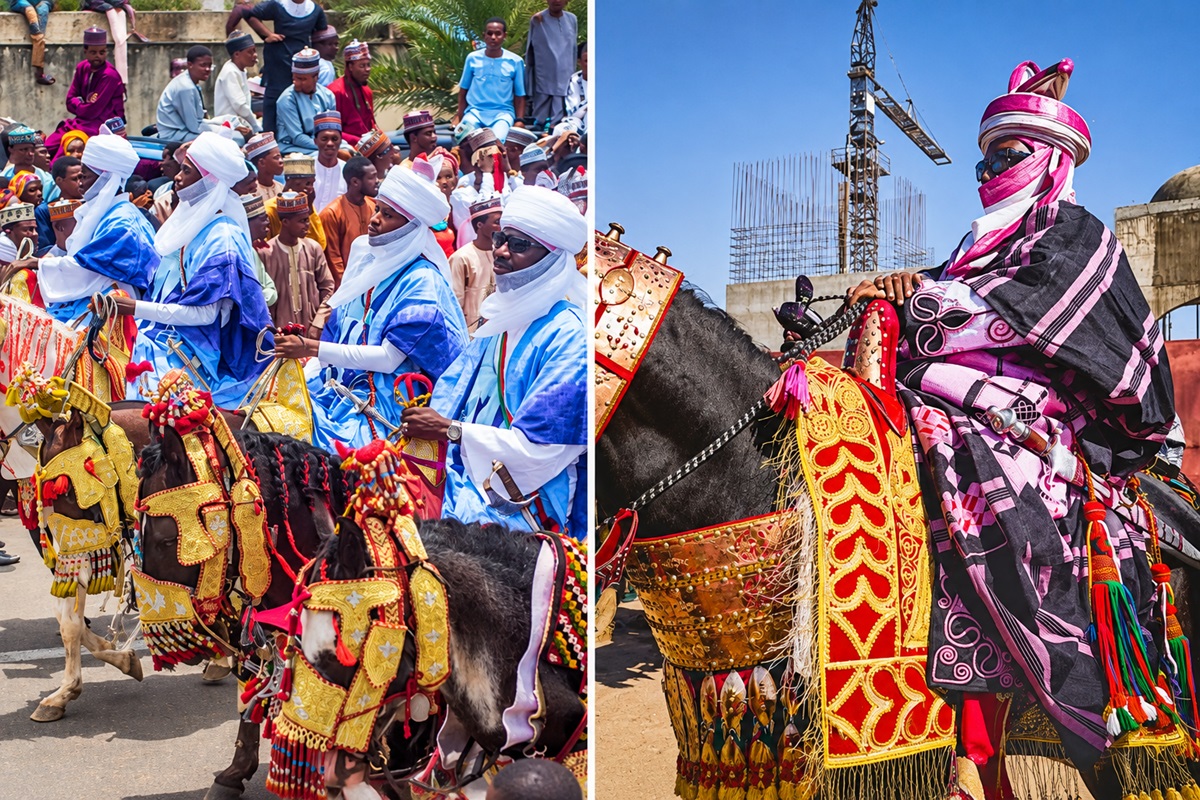
The Durbar is one of the most striking expressions of northern Nigerian culture.
The word “Durbar” comes from the Hindi-Urdu word darbar, meaning a royal court or audience.
Held during major Islamic celebrations in several northern emirates, the festival is known for its elaborate horse parades, traditional regalia, and royal pageantry. Riders appear before the emir in carefully arranged processions, creating a spectacle that combines history, leadership, horsemanship and ceremony.
Its visual appeal has also made the Durbar particularly easy to share with international audiences. The elaborate horses, colourful turbans and traditional clothing offer a glimpse into the history and customs of northern Nigeria.
Beyond the photographs and impressive displays, the Durbar provides a window into the traditions of northern Nigerian emirates and the role that royal institutions continue to play in cultural life.
READ ALSO:
View this post on Instagram
4. Calabar Carnival, Cross River State
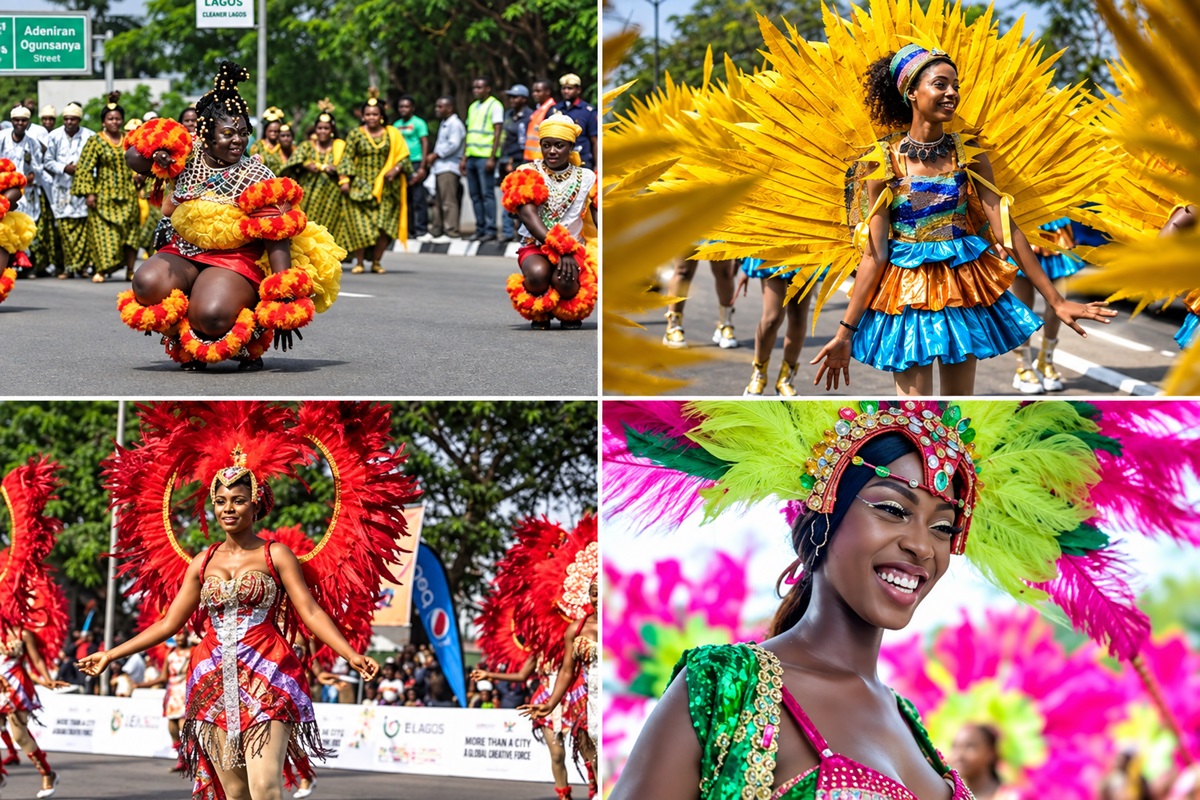
Calabar Carnival represents a more modern route to taking Nigerian culture beyond its immediate home.
Established as a tourism initiative, the annual celebration has grown into a major cultural and entertainment event built around costumes, music, dance, and competing carnival bands.
Its scale has turned Calabar into a major destination during the festive season, drawing visitors from different parts of Nigeria and beyond.
The carnival has also shown how culture can become part of a city’s wider tourism economy. Hotels, restaurants, transportation companies, vendors, and creative businesses all become part of the experience surrounding the event.
While its format is contemporary, the carnival draws from Nigerian and African history, costumes, and performance, presenting them in a form that can be enjoyed by international audiences.
View this post on Instagram
5. Eyo Festival, Lagos State
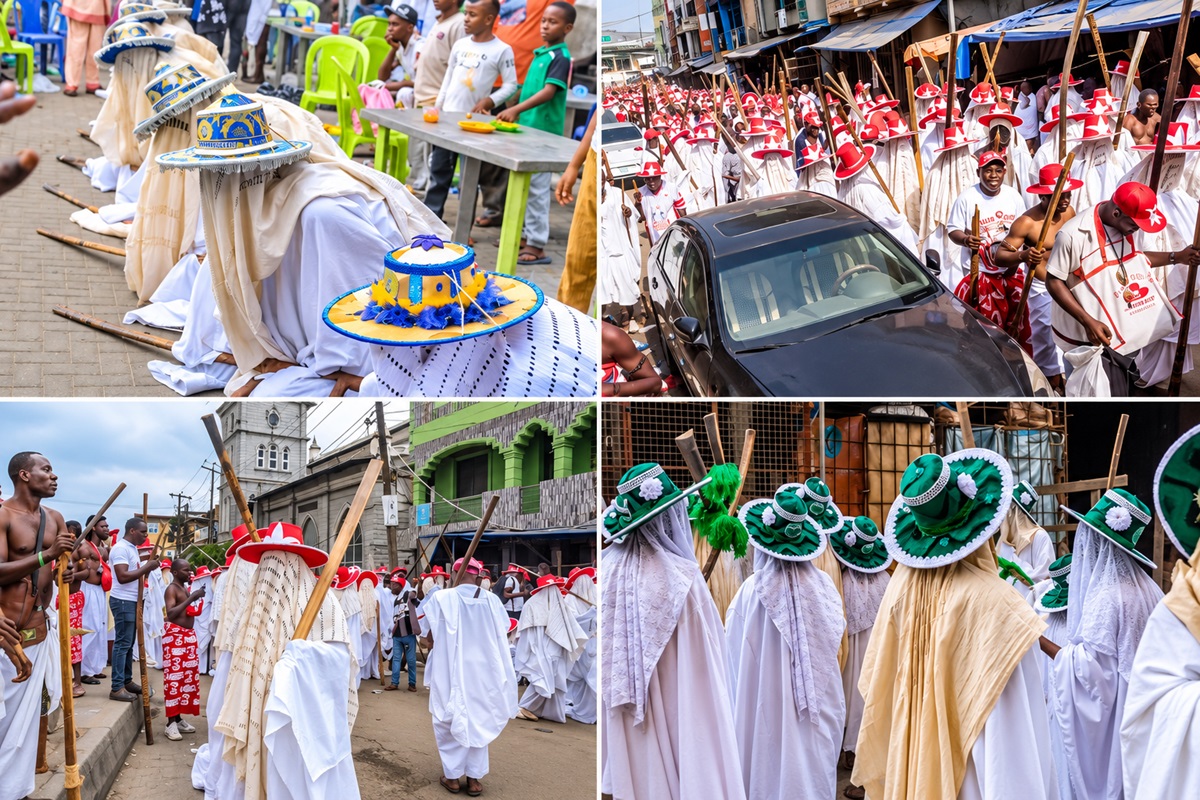
The Eyo Festival is one of the cultural traditions most closely associated with Lagos.
Also known as the Adamu Orisha Play, the festival is recognised for its white-robed Eyo masquerades and distinctive hats as they move through Lagos Island.
Its history is deeply connected to the cultural traditions of the old Lagos community, making it more than just a colourful public procession.
Over time, the Eyo has also become part of how Lagos presents its history to visitors.
Its distinctive appearance makes it immediately recognisable, while its connection to Lagos Island gives the festival a strong sense of place.
For a city that has become one of Africa’s most visible cultural and creative centres, the Eyo remains a reminder that Lagos’s identity existed long before its modern entertainment industry.
6. Bòlé Festival, Rivers State
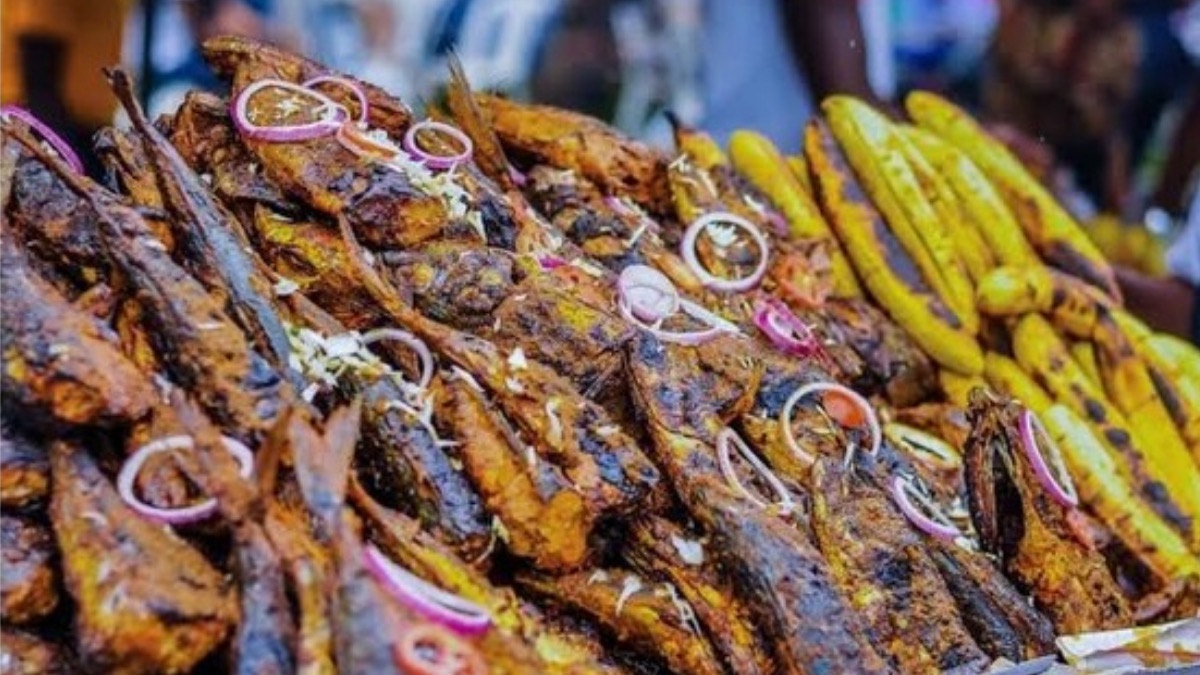
Bòlé Festival shows that taking local culture global does not always require an ancient ceremony.
Held in Port Harcourt, the festival takes one of Rivers State’s beloved foods, roasted plantain and fish, and builds an entire cultural experience around it.
Food sits alongside music, fashion, art, games and performances, creating a contemporary celebration of southern Nigerian culture.
The festival has grown considerably since its beginning, attracting thousands of people and creating a space where food becomes an entry point into a broader cultural experience.
What makes Bòlé particularly interesting is the way it turns something familiar into an experience that can be shared with people who did not grow up with it. It is a reminder that local culture can travel through something as simple and universal as food.
View this post on Instagram
7. Argungu International Fishing and Cultural Festival, Kebbi State
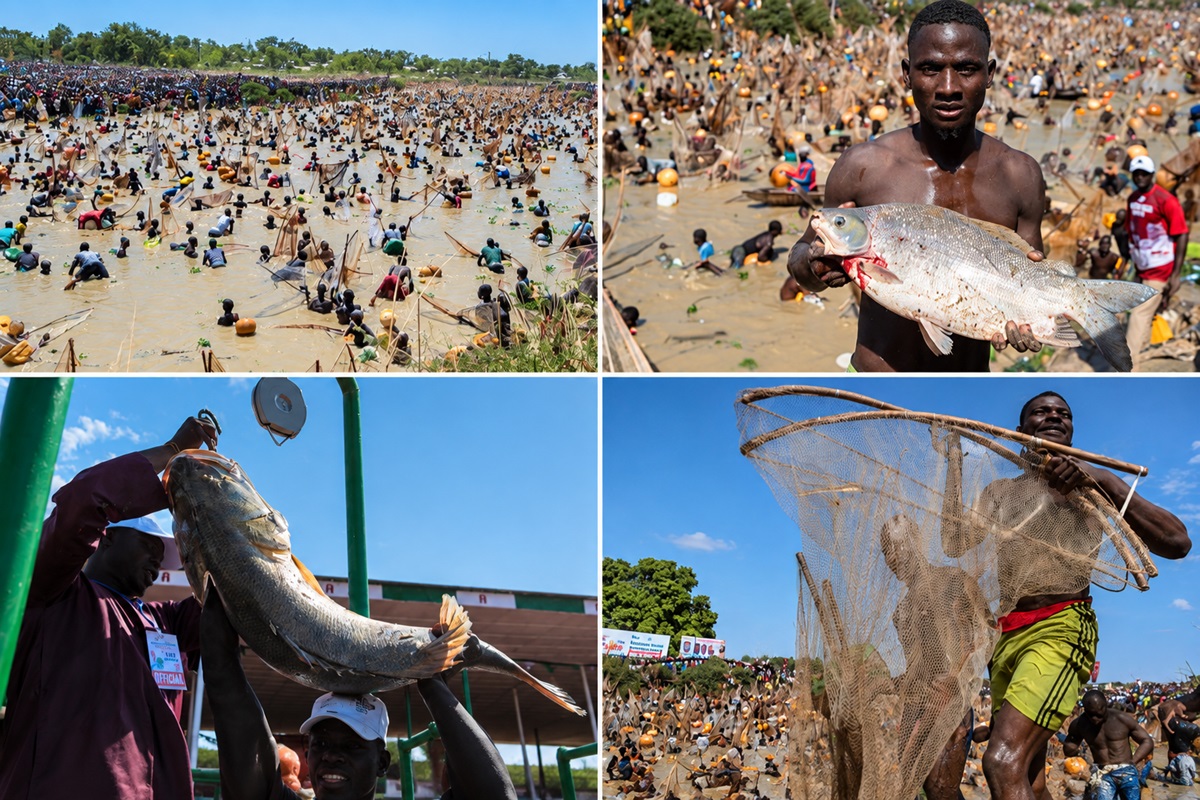
In Argungu, culture takes to the water.
The annual festival in Kebbi State is best known for its traditional fishing competition, where participants gather at the Matan Fada River as part of a wider celebration that includes canoe racing, wrestling, music, dance and other cultural activities.
The festival dates back decades and has become an important part of the cultural identity of the Argungu community.
Its traditional fishing competition is particularly distinctive, with fishermen competing to catch the biggest fish using traditional methods.
The festival’s cultural significance has also received international recognition, with its traditional practices and community knowledge contributing to its place on UNESCO’s Intangible Cultural Heritage list.
Argungu shows how a tradition rooted in a community’s relationship with its river can become something audiences around the world recognise and want to experience.
View this post on Instagram
View this post on Instagram

Evi-Ben Ezaga is an entertainment and society writer with a passion for stories that explore culture, people, and the stories shaping society today.