
-
63 media groups oppose AI copyright opt-out rules
-
Australia weighs new AI licensing arrangements
-
Publishers want permission before content use
-
Nigeria is probing Big Tech over news scraping
-
Nigerian creators face similar copyright questions
October 21, (THEWILL) – Sixty-three media and creative-industry organisations from around the world have entered the growing fight over who gets to decide when journalism, photographs, books, music and other copyrighted works can be used to train artificial intelligence.
Their immediate target is Australia.
However, the question behind their intervention is already sitting on Nigeria’s desk.

The coalition, led by the News/Media Alliance, sent a letter on October 20 to senior Australian politicians opposing copyright arrangements it says could allow AI companies to use protected material unless the owner expressly opts out.
The signatories represent thousands of publishers, copyright owners and creative-sector organisations across several countries.
Among them are the Association of American Publishers, Authors Guild, Copyright Alliance, European Newspaper Publishers’ Association, European Publishers Council, Digital Content Next, Association of Photographers and several national newspaper and creative-industry bodies.
At the centre of their objection is a simple principle; permission should come before use.
A creator should not have to discover that an AI company wants their work and then take action to stop it.
The AI company should have to ask first.
The Fight Is Really About Who Has To Ask Permission

That difference between opt-in and opt-out sounds technical until it is applied to an ordinary creator.
Under an opt-in approach, an AI developer that wants to use a photographer’s archive, a newspaper’s reporting or an author’s books would need permission or an applicable licence before using the material.
Under an opt-out arrangement, access could operate in the opposite direction. A rights holder may have to expressly exclude their work from a permitted system if they do not want it used.
For the international coalition, that reversal is the problem.
The organisations argue that requiring creators to effectively withdraw their works from AI use would weaken their negotiating position, reduce the value of their intellectual property and make it harder to secure appropriate payment.
They also warn that digital content does not remain neatly inside national borders. If copyrighted material can be lawfully processed under weaker rules in one jurisdiction, the economic consequences can extend to rights holders elsewhere.
That is why what looks like an Australian copyright debate has attracted organisations from far outside Australia.
Australia Has Not Simply Given AI Companies A Free Pass
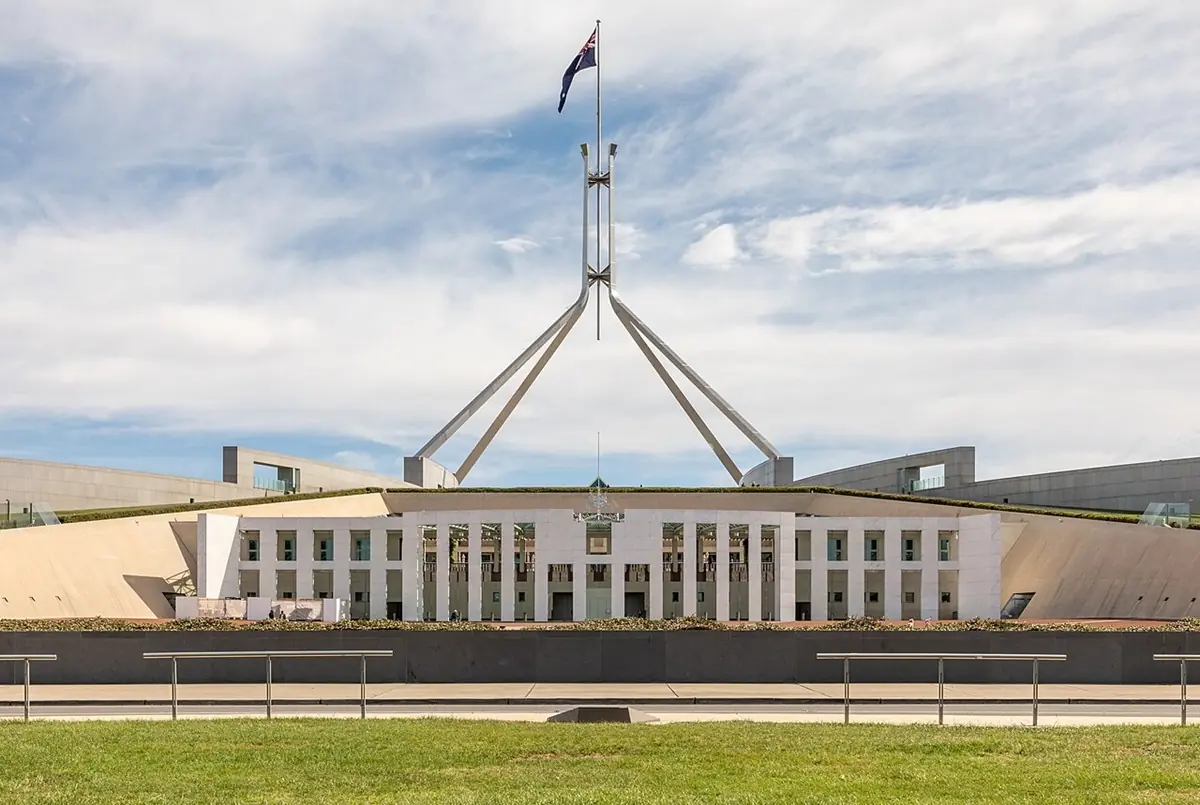
There is an important qualification.
Australia has not adopted a law giving AI companies unlimited access to copyrighted material.
In fact, the Australian government has repeatedly ruled out a broad text-and-data-mining exception that would allow AI developers to use creators’ works without permission simply because the material was being analysed or used for AI training.
However, other approaches remain under discussion.
Australia’s Attorney-General Michelle Rowland said in September that the government was considering a range of options around copyright and AI.
These include licensing structures, enforcement rules, transparency measures and possible opt-out arrangements, although the government has said voluntary licensing remains its preferred starting point.
Previously, the government had also asked its Copyright and Artificial Intelligence Reference Group to examine a paid collective licensing framework alongside the existing voluntary licensing approach.
Therefore, the current dispute is not over a completed copyright law.
It is over what the rules could become.
Why Publishers Are Fighting Before The Law Changes
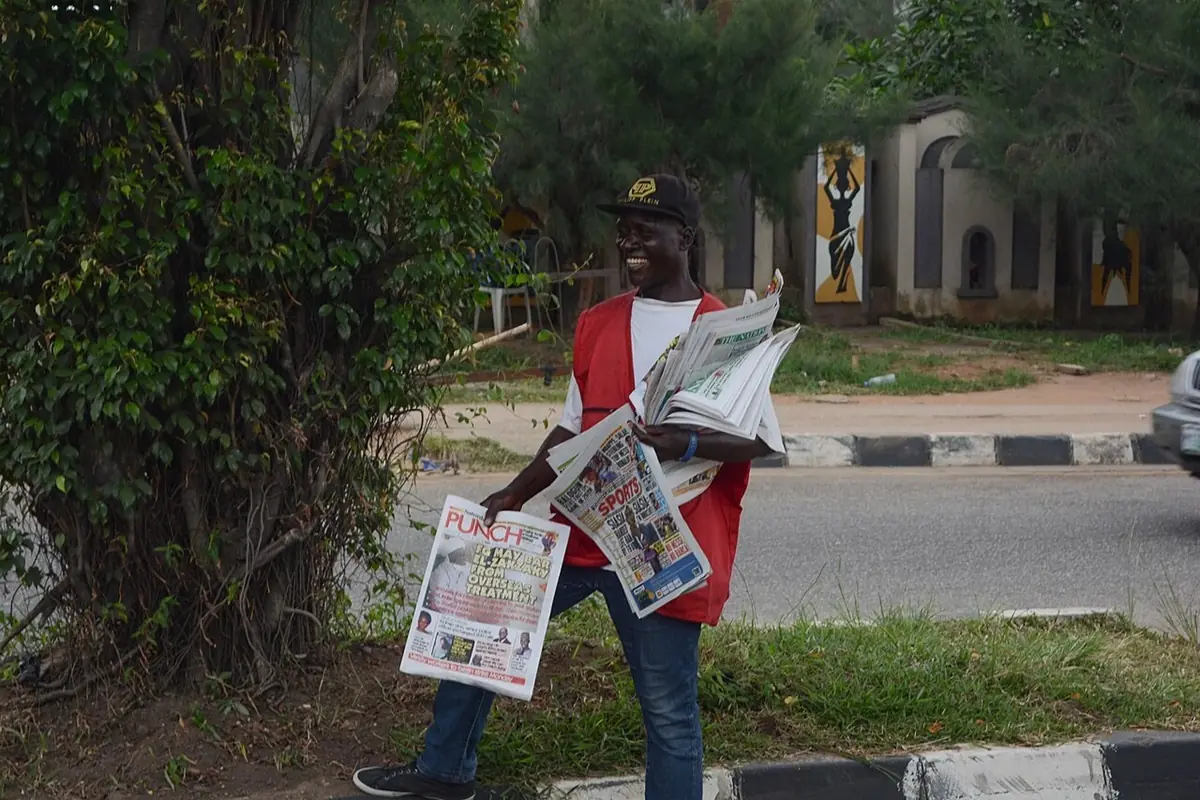
The economics explain the urgency.
News organisations spend money commissioning journalists, photographers, editors, investigations, video, archives and specialist reporting.
AI companies, meanwhile, need enormous quantities of text, images, audio and other material to develop and improve their systems.
That creates a commercial question that did not exist at the same scale before generative AI.
If original content increases the usefulness or capability of an AI product, who should capture the economic value generated from that content?
Publishers increasingly argue that access should be negotiated rather than assumed.
That position is already producing new commercial arrangements. Google, for example, has struck AI-related agreements with publishers including CNN, Axios and the Financial Times, while more than 80 publishers and industry organisations across over 20 countries have joined the Standards for Publisher Usage Rights coalition to develop technical and commercial rules around AI access to journalism.
The existence of those deals strengthens one part of publishers’ argument.
If some AI companies are willing to licence content, creators have reason to resist rules that could weaken their ability to negotiate similar agreements elsewhere.
Nigeria Is Already Having Its Own Version Of This Fight
Nigeria may be thousands of kilometres from Canberra, but the underlying dispute is strikingly familiar.
In July, President Bola Tinubu directed the Federal Competition and Consumer Protection Commission to investigate major technology companies and generative AI platforms following a petition from the Nigerian Press Organisation.
The organisation brings together the Newspaper Proprietors’ Association of Nigeria, Nigeria Union of Journalists, Nigerian Guild of Editors, Broadcasting Organisations of Nigeria and Guild of Corporate Online Publishers.
Among the allegations being investigated are the unauthorised extraction, scraping, ingestion or commercial use of copyrighted Nigerian news articles, broadcasts and other original journalistic material for the development and training of generative AI models.
The FCCPC is also examining complaints that Nigerian publishers have not been given meaningful opportunities to negotiate appropriate compensation or commercial arrangements with global technology companies.
Importantly, the investigation does not establish that any company has broken Nigerian law. The FCCPC has said the inquiry is evidence-based and that the companies involved will have an opportunity to respond before conclusions are reached.
Still, the questions Nigeria is investigating are remarkably close to those now driving the international intervention in Australia.
Who owns the content?
Who gets to use it?
Who must seek permission?
And who gets paid?
Nigerian Copyright Law Already Gives Creators Economic Rights
Nigeria is not starting without copyright protection.
The Copyright Act 2022 was introduced partly to strengthen protection in the digital environment and ensure that authors receive recognition and economic reward for their intellectual work.
The Nigerian Copyright Commission explains that authors and copyright owners have economic rights that allow them to determine conditions under which their works may be commercially used by third parties. These include rights relating to reproduction, publication, adaptation, broadcasting and other uses.
Copyright protection also arises automatically when an eligible original work is created. Registration is not required before copyright can exist, although voluntary registration can help create evidence of ownership.
However, generative AI introduces questions that traditional copyright law was not written to describe explicitly.
For instance, when an AI model processes millions of copyrighted works during training, exactly which legally protected act has occurred?
Does storing, copying or ingesting the work constitute reproduction?
When should an exception apply?
If a model does not reproduce the original work in its final output, should training still require permission?
Those questions are being contested in courts, regulatory inquiries and policy debates around the world.
Nigeria will eventually have to answer them too.
Small Creators Face A Different Problem From Large Publishers
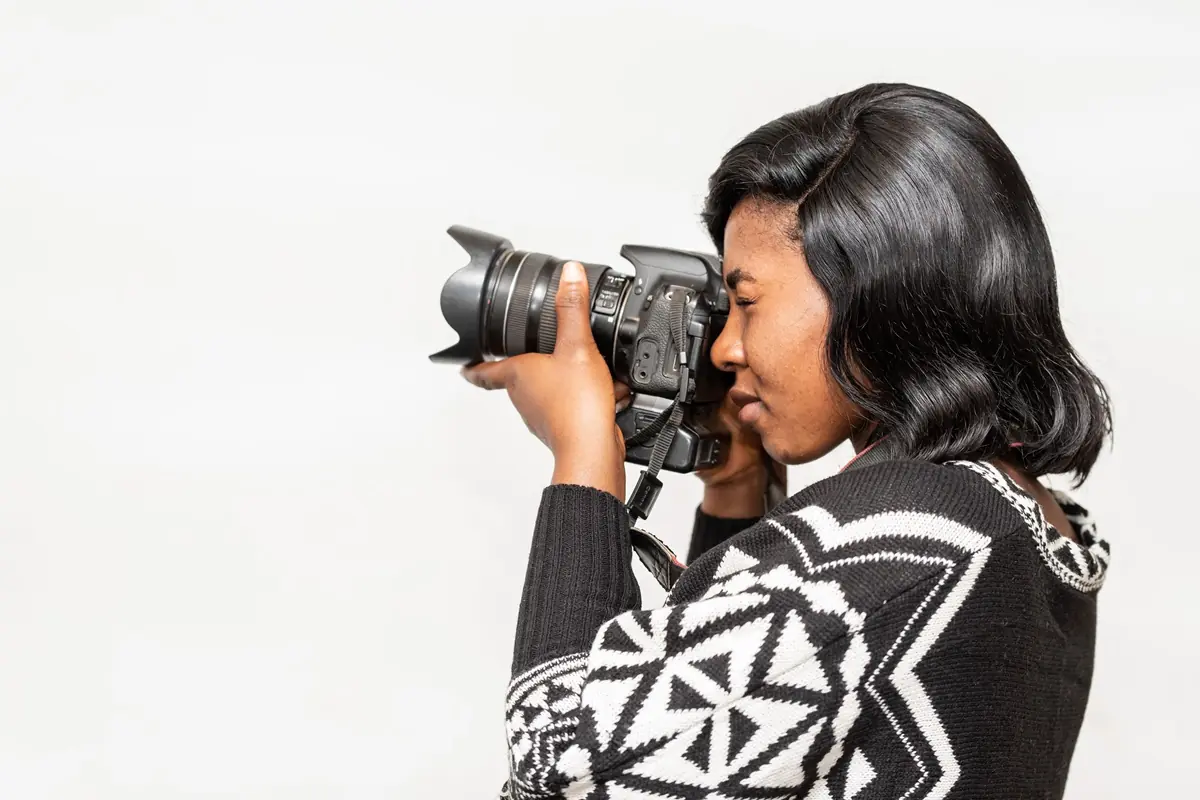
The debate also extends beyond newspapers.
Consider a Nigerian photographer who has spent ten years building an online portfolio.
Or an illustrator whose work appears across Instagram, a screenwriter with scripts online, a musician with hundreds of recordings, a blogger with thousands of original articles or a fashion designer whose collections are published digitally.
A large media company may have lawyers, technical teams and systems capable of identifying automated scraping, reviewing licences and challenging unauthorised use.
An individual creator often does not.
That difference becomes particularly important under an opt-out system.
If refusing AI access requires every copyright owner to identify the relevant platforms, understand how each company collects data and register an objection correctly, the practical burden falls heavily on the person whose work is being used.
The legal right may still exist on paper.
Exercising it becomes the expensive part.
READ ALSO:
AI Companies Also Want Legal Certainty
The argument is not entirely one-sided.
AI developers have said uncertain or overly restrictive copyright rules can make model development more expensive, expose companies to substantial litigation and discourage investment in countries where training activity carries unresolved legal risks.
Australia has confronted that argument directly.
The country’s Productivity Commission previously examined claims that existing copyright restrictions could discourage some forms of AI training and text-and-data analysis from taking place locally.
The policy challenge is therefore not simply choosing creators over technology.
Governments want the investment, productivity and innovation promised by AI while also maintaining an economic reason for people and companies to continue producing the journalism, books, music, photographs, films and other material AI systems rely upon.
Removing too much protection could weaken creative industries.
Making legitimate access impossible could restrict useful innovation.
The difficult part is deciding where payment, permission and exceptions should sit between those two outcomes.
Nigeria Has An Opportunity To Set The Rules Before The Market Sets Them
For Nigeria, that debate is becoming harder to postpone.
The country has a large media industry, one of Africa’s most influential film sectors, globally successful music, a growing creator economy and millions of people publishing original work online.
At the same time, generative AI use is expanding rapidly.
That means Nigerian creative work is becoming more valuable as digital information at precisely the moment when the cost of copying, analysing and repurposing enormous volumes of content is falling.
The FCCPC investigation could therefore become about much more than one complaint from newspaper publishers.
It could help establish how Nigeria thinks about the commercial value of locally produced information in an AI economy.
Australia is being forced to decide who should bear the burden when AI wants copyrighted work.
Nigeria is already asking a similar question.
The answer will help determine if Nigerian journalism, music, photography, writing and other creative work become merely raw material for the AI economy, or assets whose owners retain enough control to negotiate what access is worth.

Joy Onuorah is a business journalist and brand communications specialist covering financial markets, artificial intelligence, digital economy, and the ideas reshaping business across Africa and the global market. Beyond her reporting for TheWill, Joy uses brand strategy, storytelling, copywriting, and high-value SEO to help brands build lasting market authority.
