-
International partners have mobilised $3.5 billion in new commitments to strengthen education systems across developing countries, combining sovereign donor pledges with additional financing from development institutions, philanthropies and the private sector.
-
Nigeria and Italy co-hosted the high-level Global Partnership for Education (GPE) financing event in New York, with Vice President Kashim Shettima representing Nigeria as the country joined international partners in pushing for increased investment in education.
-
Partner countries also announced $471 billion in domestic education financing commitments, representing a projected 32 percent increase in education spending by 2030.
-
The commitments are part of GPE’s 2026–2030 financing campaign, which seeks to raise $5 billion and unlock a further $10 billion in co-financing to transform education systems and improve learning opportunities for about 750 million children in 96 countries.
September 24, (THEWILL) – Global leaders and development partners have mobilised $3.5 billion in international commitments for education, as Nigeria and Italy took the lead in a renewed effort to close the financing gap confronting education systems and expand opportunities for hundreds of millions of children worldwide.
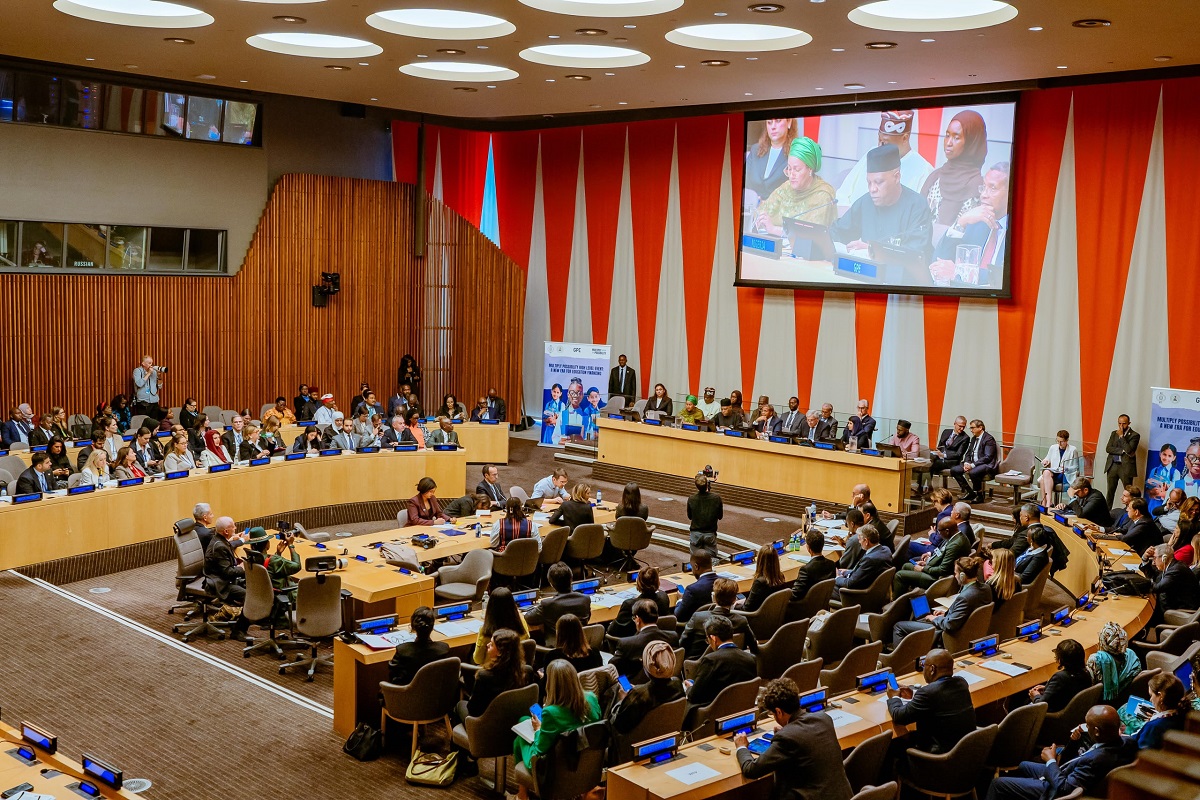
The commitments were announced on Wednesday at the high-level “Multiply Possibility: A New Era for Education Financing” event held at the United Nations Headquarters in New York on the sidelines of the 81st United Nations General Assembly.
The event was co-hosted by Nigeria, Italy and the Global Partnership for Education (GPE) and brought together government leaders, development institutions, civil society organisations, philanthropic foundations and private-sector partners.

The financing package includes $2.1 billion in confirmed and anticipated pledges from sovereign donors to GPE, as well as $1.4 billion in co-financing commitments from development finance institutions, philanthropic organisations and private-sector partners.
The mobilisation is part of a broader attempt to reverse what GPE describes as a global education and learning crisis, particularly in low- and lower-middle-income countries.
According to GPE’s investment case for its 2026–2030 campaign, more than 270 million children are out of school, while conflict, instability, climate shocks and hunger continue to disrupt the education of millions more. GPE estimates that the global learning crisis costs the world economy about $3.3 trillion annually in lost productivity.
The partnership’s new campaign is designed not only to raise additional international funding but also to leverage domestic resources and other forms of financing to strengthen education systems over the long term.
Nigeria, Italy Lead Financing Push
Nigeria’s role as co-host of the event places the country prominently in the international campaign to mobilise resources for education.
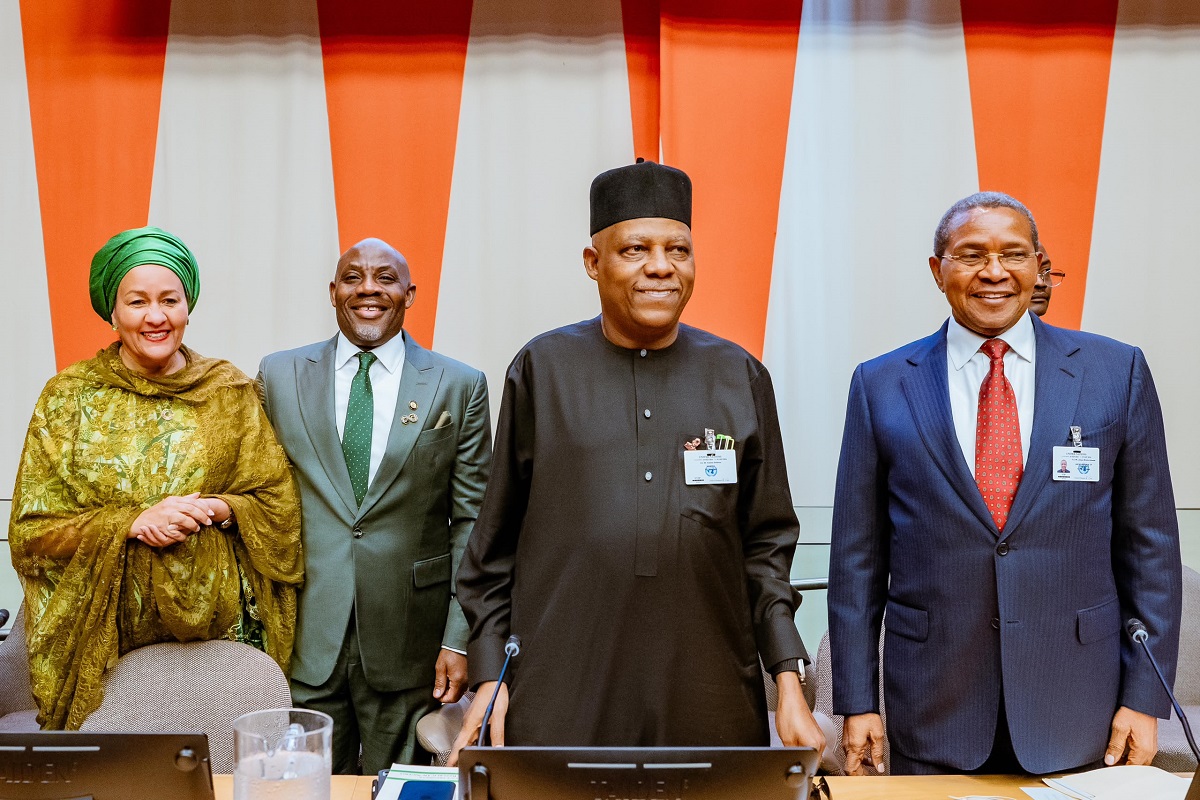
Vice President Kashim Shettima represented Nigeria at the event and co-chaired the meeting with Italy’s Deputy Prime Minister and Minister of Foreign Affairs, Antonio Tajani.
President Bola Tinubu, in a video message to the gathering, reaffirmed Nigeria’s commitment to education as a central pillar of national development and human-capital investment.
Tinubu said GPE’s vision aligned with Nigeria’s efforts to improve educational outcomes through greater investment in access to education and teacher capacity building.
The President’s position is consistent with the administration’s broader emphasis on human-capital development. The 2026 budget provides ₦3.52 trillion for education, with the Federal Government describing education, skills, healthcare and social protection as central to its human-capital agenda.
Nigeria has also been a GPE partner since 2012 and has prioritised accessible, equitable and inclusive foundational learning, including classroom construction, water and sanitation facilities and accelerated learning programmes for children who are out of school.
READ ALSO:
$471bn Domestic Commitment
Beyond the international pledges, partner countries announced $471 billion in domestic education financing commitments, representing a projected 32 percent increase in education spending by 2030.
The commitment is significant because the GPE campaign is built around the principle that international assistance should complement, rather than replace, domestic investment.
Nigeria stressed that mobilising resources must be matched by effective implementation to ensure that funding translates into better learning outcomes, stronger education systems and greater resilience.
The government also highlighted the importance of directing resources towards children and communities facing the greatest barriers to education.
It said no child should be denied educational opportunities because of his or her circumstances or place of birth.
The emphasis on implementation is particularly important because the success of the financing campaign will ultimately depend on whether the resources translate into functioning classrooms, adequately trained teachers, learning materials and improved outcomes for pupils.
GPE Seeks $15bn Financing Package
The $3.5 billion announced in New York forms part of GPE’s larger 2026–2030 financing campaign, launched in 2025 with a target of raising $5 billion for GPE and unlocking an additional $10 billion in co-financing.
GPE says a fully funded campaign could transform education systems and multiply opportunities for approximately 750 million children in 96 countries. Its investment case projects that by 2030, the programme could help place 204 million additional children in school, improve education for about 748 million children and train 10 million teachers.
The partnership’s previous financing efforts have demonstrated the potential of leveraging donor contributions. GPE’s 2024 annual report said its innovative financing mechanisms had generated $3.8 billion in co-financing from 64 co-financiers, while more than 465,000 teachers had been trained through GPE-supported programmes.
The new campaign seeks to expand that model at a time when governments are confronting competing demands on public finances and education systems are facing pressures from conflict, displacement, poverty, climate-related shocks and rapid demographic growth.
Nigeria’s Education Challenge
For Nigeria, the global financing drive comes against the backdrop of the country’s longstanding challenge of expanding access to quality education while improving learning outcomes.
The Federal Government has increasingly linked education investment with economic transformation, youth employment and national development.
In June, Shettima said the administration was pursuing digital education and skills development as part of efforts to prepare young Nigerians for a technology-driven global economy. A government-supported digital education initiative, for instance, had reached 13 states, 123 schools, 72,000 students and 1,150 teachers, according to the State House.
The administration has also maintained that investment in the Nigerian child must extend beyond school enrolment to include skills, social protection and other interventions capable of improving long-term opportunities.
Shettima said in July that the government was committed to strengthening the future of the Nigerian child through broad interventions, describing human capital as central to national renewal.
From Pledges To Results
At the New York event, Nigeria made clear that the mobilisation of resources would only be meaningful if the funds produced measurable improvements.
The government said the international community must focus not only on the amount pledged but also on how effectively the resources are deployed.
For Nigeria, the objective is to work with Italy, GPE, development partners, the private sector and civil society to convert the commitments into tangible improvements in education.
The broader GPE campaign similarly seeks to move education financing beyond short-term interventions by combining international assistance with domestic financing and private and development-sector resources.
The partnership estimates that successful implementation of its investment plan could generate $840 billion in additional economic value in partner countries by 2030, while helping lift millions of people out of poverty and making education systems more resilient to future crises.
The latest $3.5 billion mobilisation therefore represents an important step towards the wider $15 billion financing ambition.
But for the millions of children currently excluded from school or receiving inadequate learning opportunities, the significance of the pledges will ultimately be determined not by announcements at the United Nations, but by whether the money reaches schools, teachers and children.
Nigeria said it would continue working with its international and domestic partners to ensure that the commitments produce measurable gains in access, learning, system resilience and opportunities for the next generation.

Felix Ifijeh is a journalist with years of professional reporting experience. Known for his keen news sense, compelling storytelling and commitment to accurate, impactful reporting, he has built a reputation for turning leads into clear, engaging, and well-structured reports that resonate with readers. His work reflects deep newsroom experience and a commitment to accurate, impactful journalism.