
-
AI is solving real problems in Nigeria, not just generating text.
-
From healthcare and farming to finance and African languages, these founders are building for the continent.
-
Their products are already reaching hospitals, farmers, businesses and governments.
-
Meet 10 Nigerian AI founders turning African problems into scalable products.
August 27, (THEWILL) — Artificial intelligence is finding practical uses in Nigeria beyond chatbots and content generation.
Founders are applying it to medical documentation, agriculture, pharmaceutical data, education, financial analysis, customer service and African languages.
Some are building for problems specific to the continent. Others are taking products developed in Nigeria to international markets.

Here are 10 founders whose AI products have moved beyond the idea stage and are showing measurable adoption, commercial traction or institutional use.
Tobi Olatunji – Intron Health
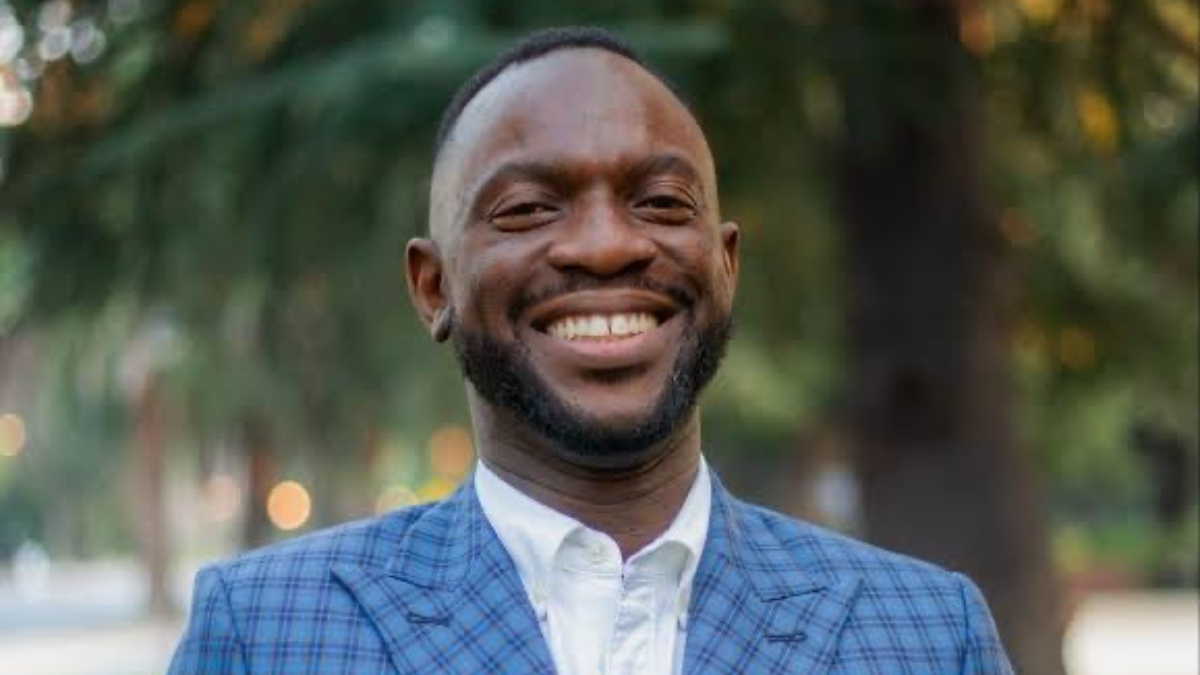
Tobi Olatunji co-founded Intron Health to tackle a problem doctors know well; too much time spent documenting patient encounters.
Its AI-powered speech technology transcribes medical conversations and recognises African accents, helping doctors produce clinical notes and reports faster. Intron says its speech datasets contain more than 3.5 million audio clips covering 288 accents.
The company has expanded beyond Nigeria, with its technology deployed in more than 30 hospitals across Nigeria and Kenya. It says those deployments cover more than 56,000 patients.
At University College Hospital, Ibadan, Intron’s technology reportedly cut radiology report turnaround time from 48 hours to about 20 minutes.
The company has since expanded its speech technology into other sectors, including financial services, telecommunications and the courts.
Michael Ogundare – Crop2Cash
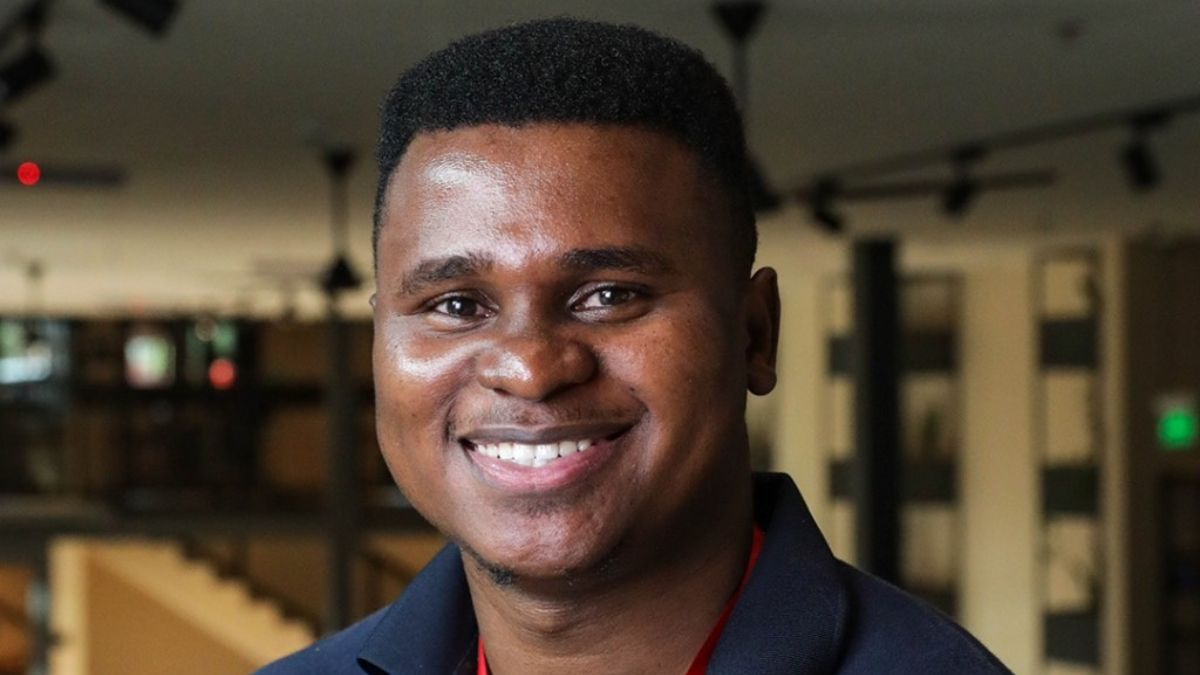
For Michael Ogundare, AI has to work for farmers who may not own smartphones or have reliable internet access.
His company, Crop2Cash, combines agricultural finance, advisory services and digital tools to serve smallholder farmers. Its platform uses USSD and voice technology, allowing farmers to access services through basic mobile phones.
GSMA says Crop2Cash has reached more than 500,000 farmers and unlocked $2.8 million in credit. Its digital tools have also been used to provide farmers with agricultural and climate information.
The company has added an AI-powered voice advisory service that allows farmers to call and receive agricultural guidance in local languages.
Crop2Cash operates in Nigeria and Kenya.
Kola Masha – Babban Gona
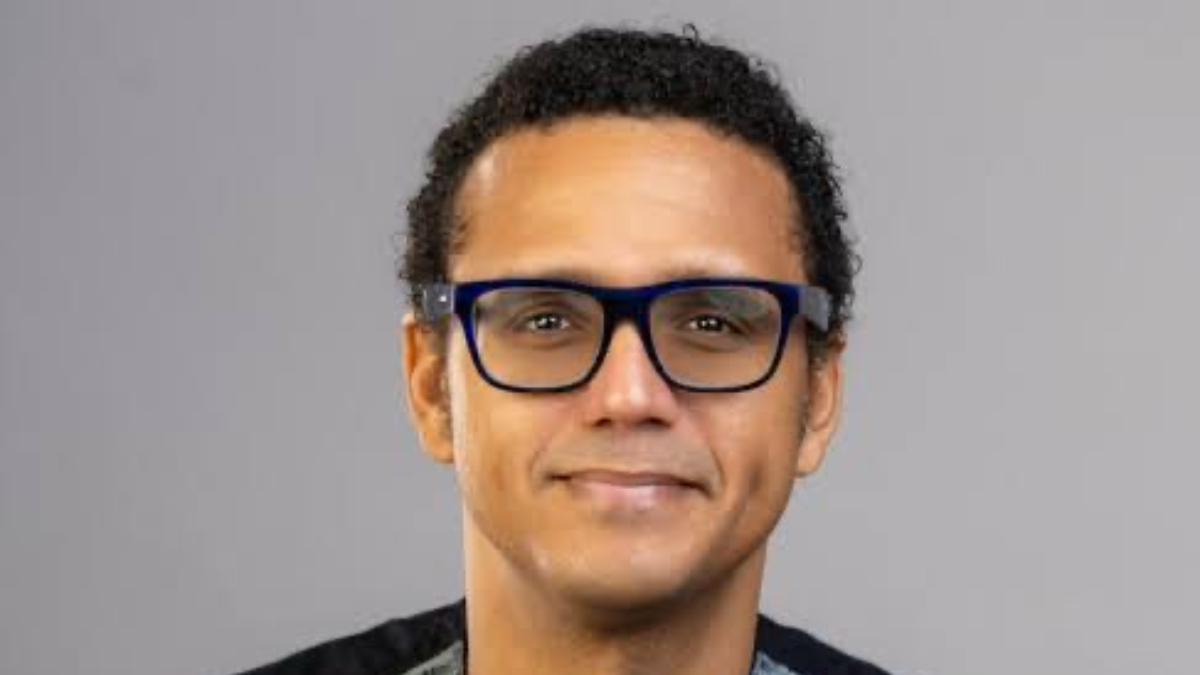
Kola Masha founded Babban Gona to help smallholder farmers improve productivity and gain better access to finance and markets.
AI is now part of that model.
Babban Gona has trained an agricultural computer-vision system on more than two million images of maize fields. Farmers and field officers can use photographs to identify problems such as pests and weeds and assess crop conditions.
The company has raised more than $100 million in debt and equity financing since inception and has worked with hundreds of thousands of farmers through its agricultural network.
In 2025, British International Investment provided Babban Gona with $7.5 million in debt financing to expand its work with smallholder farmers in northern Nigeria.
Ayodeji Alaran – PBR Life Sciences
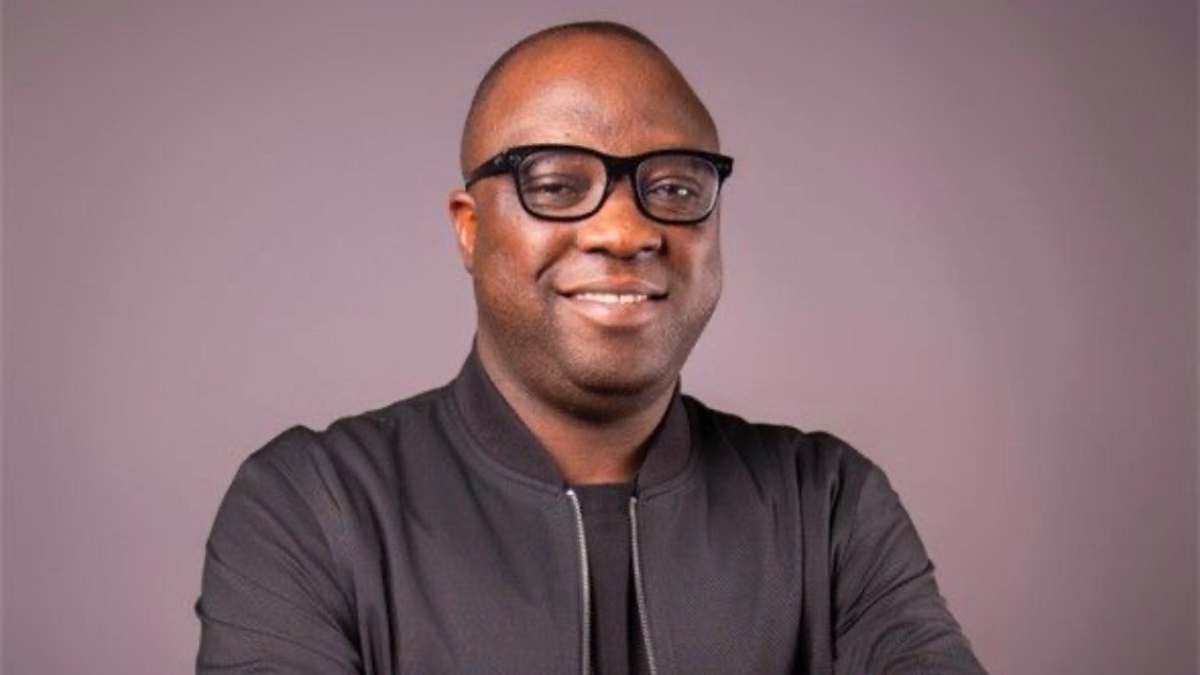
Ayodeji Alaran is using AI to tackle one of Africa’s less visible problems in healthcare which is poor-quality and fragmented data.
PBR Life Sciences collects and standardises pharmaceutical and healthcare information to help companies understand drug markets, disease patterns and demand.
Its database contains more than 10,000 pharmaceutical brands, 70 million drug sales and information on 23,000 diseases, according to the company.
AI has reduced the time required to clean and standardise some datasets from several months to minutes.
PBR has raised $1 million in pre-seed funding and operates across markets including Nigeria, Ghana and Kenya.
For pharmaceutical companies and healthcare organisations, the value is straightforward. Better data can improve decisions about where medicines are needed, what products are selling and how markets are changing.
Abiodun Adetona – Decide
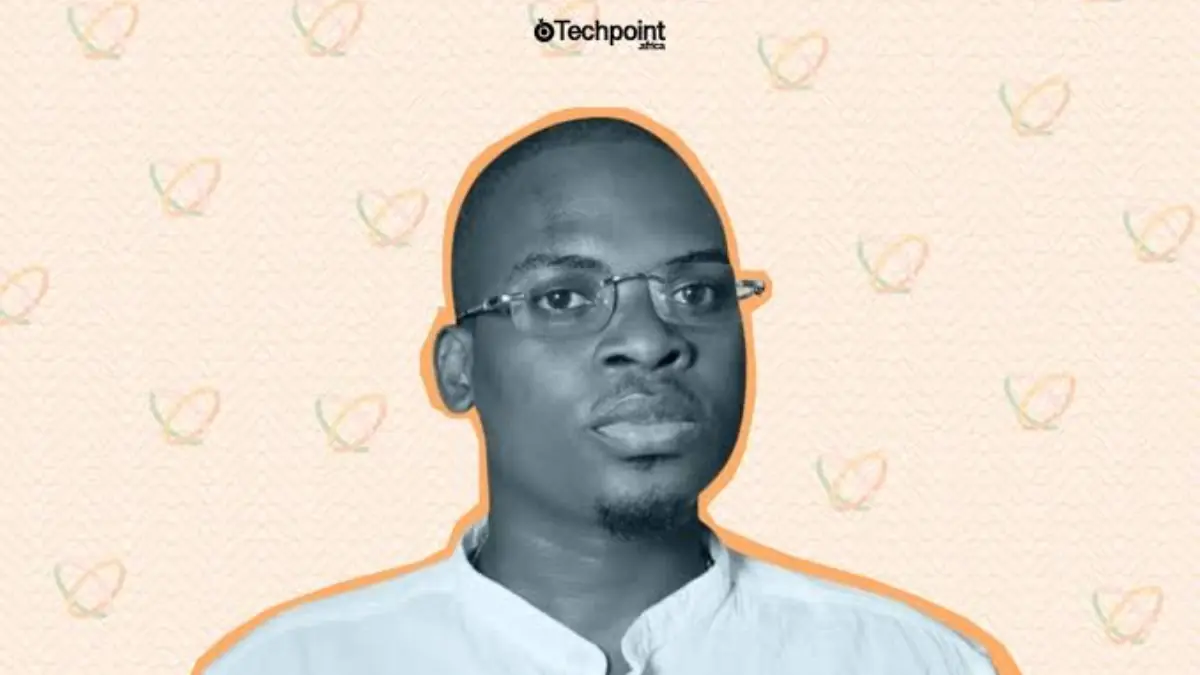
Abiodun Adetona built Decide around the familiar spreadsheets business problem.
Its AI agent allows users to analyse and manipulate spreadsheets using natural-language instructions rather than manually carrying out complex calculations and data operations.
The company says users have created more than 21,000 spreadsheets and completed more than 41,000 analysis runs.
Decide has also tested its technology against SpreadsheetBench, a benchmark designed to evaluate AI agents on spreadsheet tasks. The company reports an 82.5% score on the verified portion of the benchmark.
Unlike many Nigerian AI startups focused specifically on local problems, Decide is competing in a global software market.
Jude Chikezie – Oyster
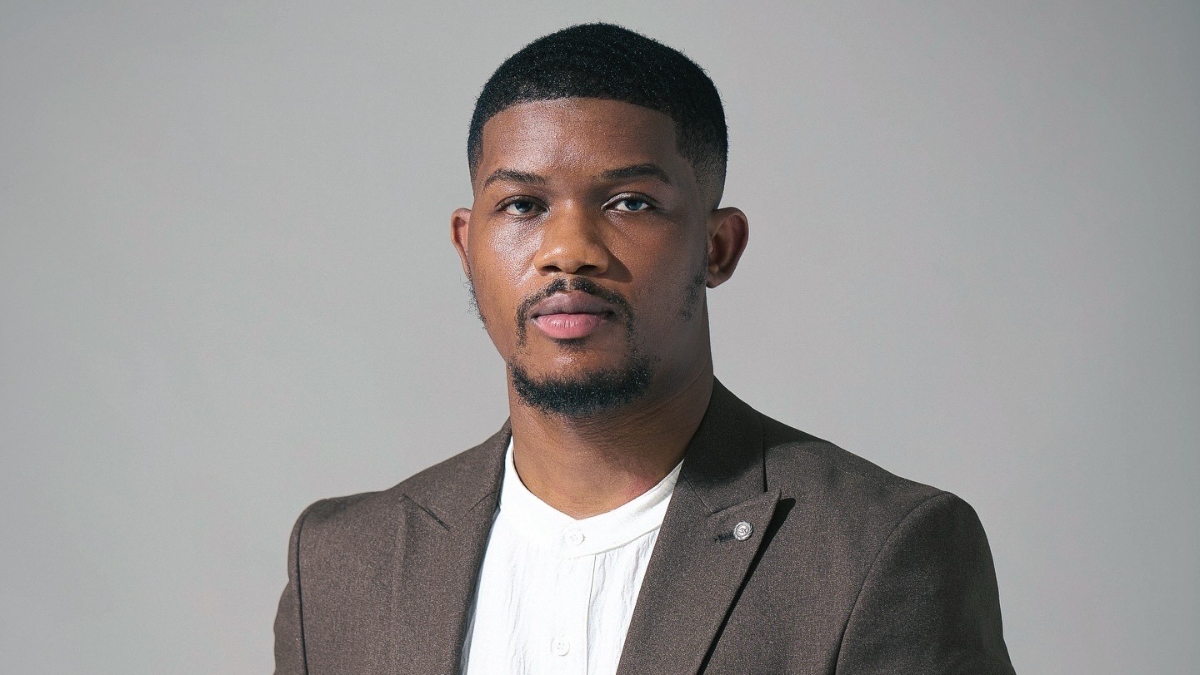
Jude Chikezie co-founded Oyster to use AI and computer vision in skincare.
The company’s technology analyses skin through smartphone images and uses the results to recommend products and treatments. Its models have been developed around African and darker skin, an area where many existing datasets have historically been limited.
Oyster says it has processed more than 200,000 skin scans and trained its models using more than two million clinical images from African healthcare programmes.
The company operates across more than 17 countries and says about 80% of its revenue comes from business customers rather than consumers.
Its customers include beauty and healthcare businesses using the technology to analyse customers’ skin and recommend products.
Eniola Edun and Silas Adekunle – Awarri
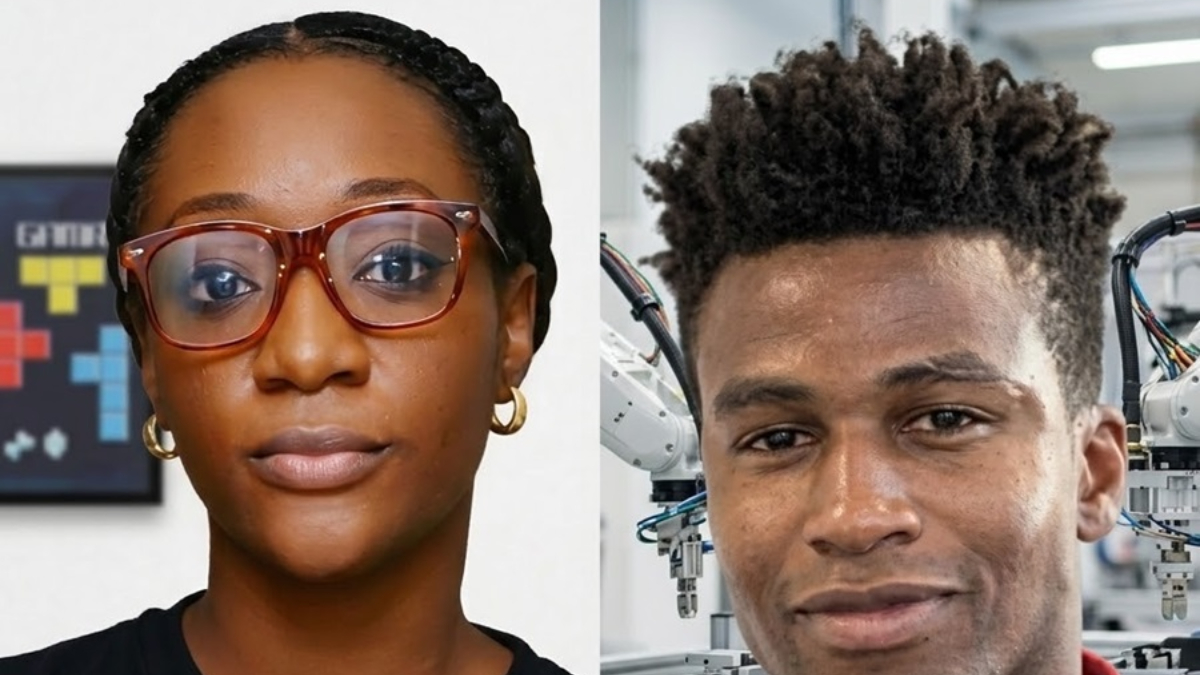
Awarri is working on data which is one of the foundations of African AI.
The company was founded by Eniola Edun and robotics entrepreneur Silas Adekunle. It develops AI products while also collecting African-language and cultural data for machine-learning systems.
Its work includes language technology and data collection aimed at improving how AI systems understand African languages, images and contexts.
Awarri has worked with the Nigerian government on AI-related initiatives and has trained and employed thousands of data workers and engineers.
Its focus is important for a simple reason. Models trained mainly on data from other parts of the world can perform poorly when confronted with African languages, accents, images and cultural references.
READ ALSO:
Saheed Azeez – YarnGPT
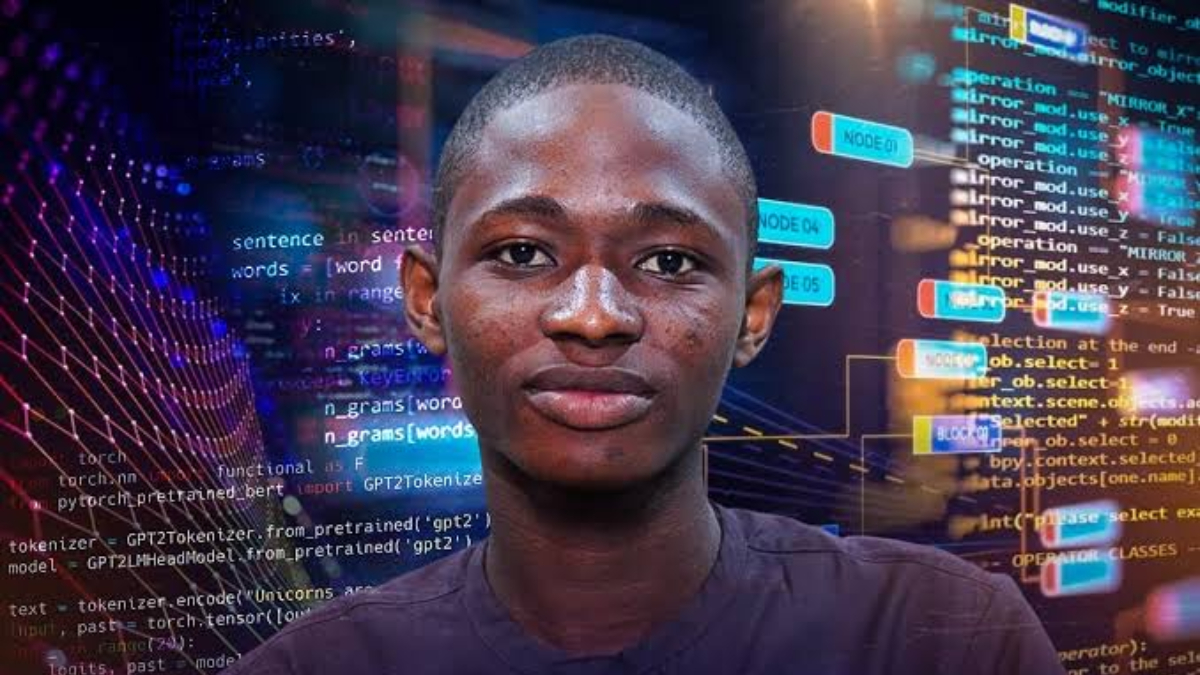
Saheed Azeez built YarnGPT around African speech.
The platform converts text into natural-sounding speech and supports Nigerian languages and accents, including Yoruba, Igbo, Hausa and Nigerian Pidgin.
Its technology has applications in education, media, customer service, accessibility and digital products that need voice interfaces.
YarnGPT was acquired by Nigerian technology company Bluechip Technologies in 2026, giving the technology access to a larger enterprise technology platform.
The acquisition is notable because it gives a Nigerian-built speech product a path into a larger technology business rather than leaving it as a standalone consumer experiment.
Divine Matthew – Grace AI
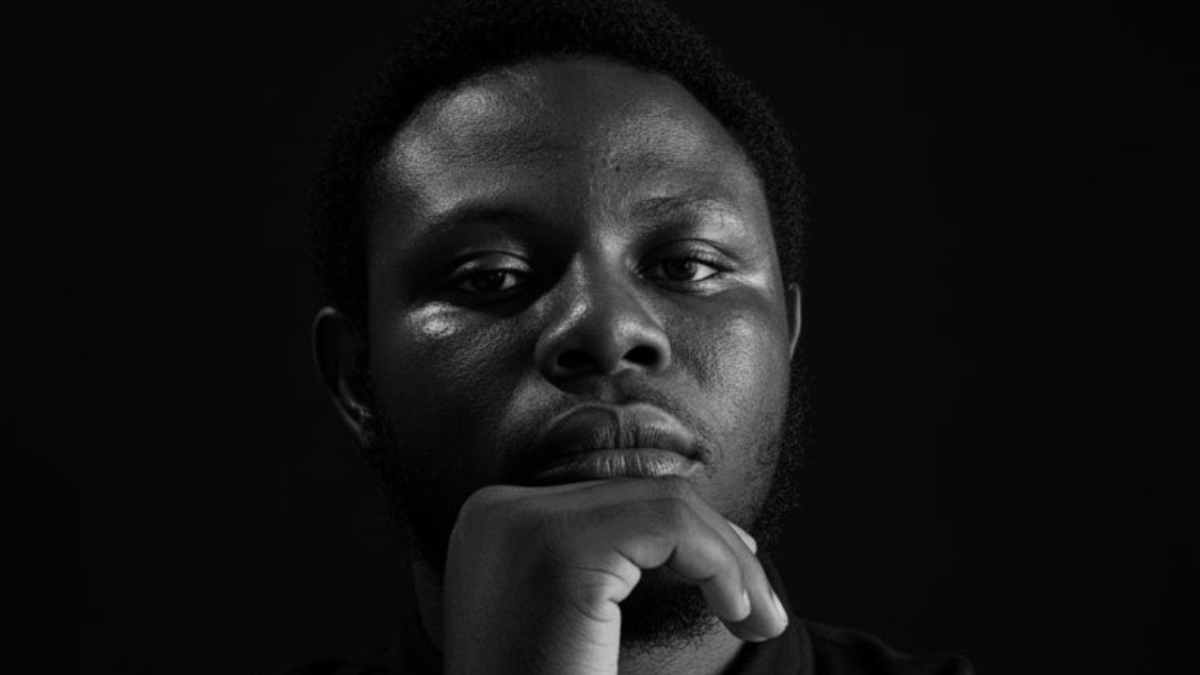
Divine Matthew founded Grace AI to build voice and messaging agents for businesses.
Its AI agents can handle customer enquiries through channels such as WhatsApp and voice calls and connect those interactions to a company’s existing systems.
The technology is designed to handle Nigerian English, Pidgin and local accents, making it useful for businesses whose customers may not speak the polished English assumed by many general-purpose voice systems.
Grace AI is targeting customer service and other repetitive business interactions where companies spend money on call-centre staff and manual support.
Its wider proposition is simple: allow businesses to automate routine conversations without forcing customers to change how they communicate.
Olayinka Iyinolakan and Shona Oluwatola – Indigenius AI
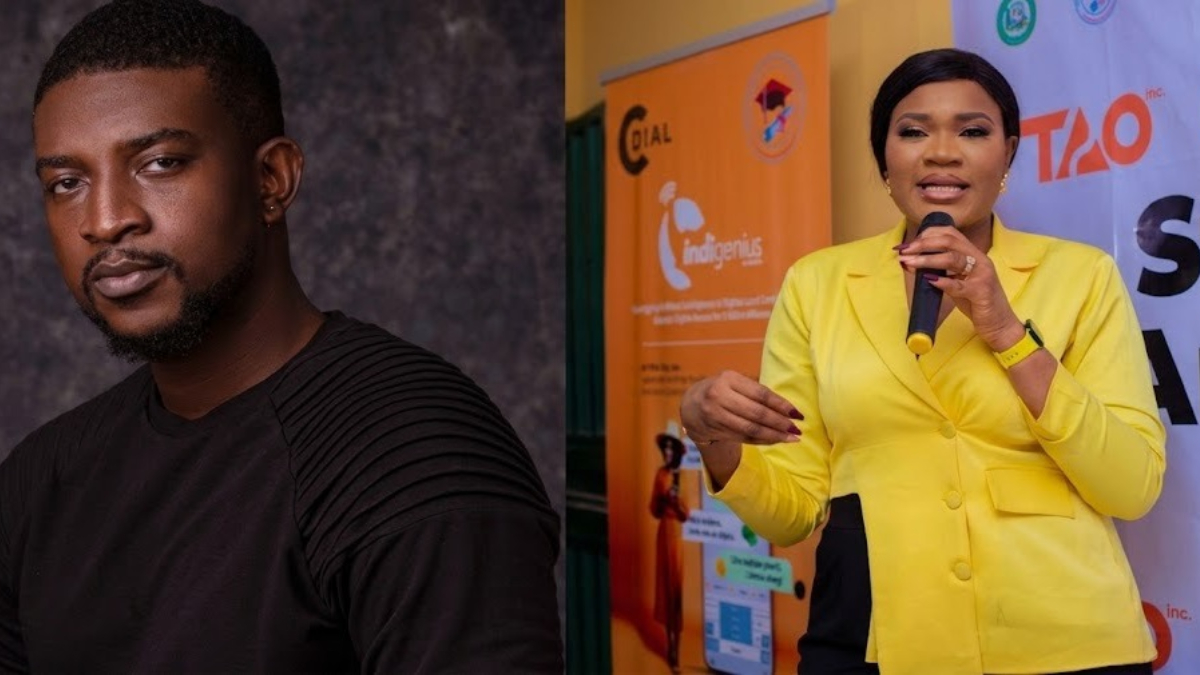
Indigenius AI, formerly CDIAL, is building language technology for African languages.
The company develops speech and language models intended to support languages that receive far less attention from major AI companies.
Its work covers translation, speech recognition and other language applications, with a focus on African languages and local contexts.
The founders’ challenge is larger than translation. African languages are often poorly represented in the datasets used to train mainstream AI systems, which limits how well those systems can serve people who do not primarily use English.
Indigenius AI has received backing through programmes including the Black Ambition Prize, which awarded the company $50,000 in 2023.
For a continent with thousands of languages, better language models could determine who gets meaningful access to AI-powered services in education, healthcare, finance and government.

Joy Onuorah is a business journalist and brand communications specialist covering financial markets, artificial intelligence, digital economy, and the ideas reshaping business across Africa and the global market. Beyond her reporting for TheWill, Joy uses brand strategy, storytelling, copywriting, and high-value SEO to help brands build lasting market authority.
