
-
Google Wallet adds official tokenization support for FirstBank, GTBank, UBA, and Zenith Bank cards in Nigeria.
-
UBA announces in-store Google Pay contactless payments, while Paystack maintains web-based Google Pay checkouts since September 2026.
-
Eligible payment methods include specific Mastercard debit, credit, and prepaid tiers, alongside UBA Visa prepaid cards.
-
Merchant terminal software and NIBSS switch configurations dictate real-world NFC tap-to-pay success across Nigerian retail hubs.
October 27, (THEWILL) – Google has updated its official wallet infrastructure to enable card tokenization for four tier-one Nigerian banks:FirstBank, Guaranty Trust Bank (GTBank), United Bank for Africa (UBA), and Zenith Bank.
Coinciding with the directory update, UBA announced the commercial rollout of Google Pay contactless payments for its account holders on 27 October 2026, marking a major shift toward smartphone-based retail transactions in Africa’s largest economy.
Card support spans precise issuance tiers. Google lists FirstBank Mastercard debit cards; GTBank Mastercard debit and prepaid cards; Zenith Bank Mastercard credit, debit, and prepaid options; and UBA Mastercard credit, debit, prepaid, plus Visa prepaid cards.

Adding these accounts to Google Wallet lets Android users with Near Field Communication (NFC) devices execute tap-to-pay purchases at physical merchant terminals without handling plastic bank cards.
Marketing declarations from UBA position the launch as Nigeria’s debut access point for Google Pay services.
However, technical distinction separates in-store card-present tap payments from online merchant checkouts.
Enterprise payment gateway Paystack enabled web-based Google Pay acceptance for Nigerian e-commerce merchants in September 2026.
The new bank integrations expand tokenization to physical point-of-sale (POS) terminals across the country.
READ ALSO:
NFC Terminal Compatibility and Domestic Switch Barriers
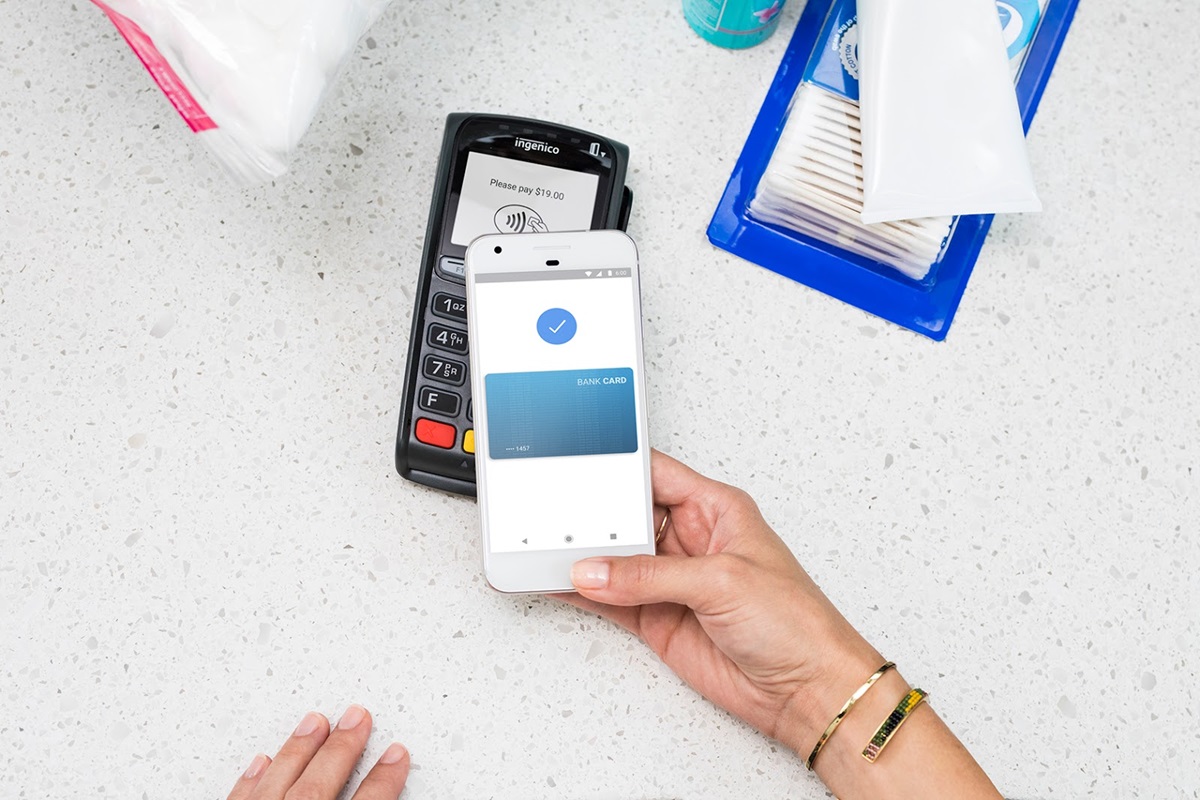 Adding a debit card to Google Wallet does not guarantee a successful tap-to-pay transaction at local retail outlets.
Executing contactless mobile payments inside supermarkets, restaurants, and gas stations requires point-of-sale hardware equipped with active NFC receivers and updated EMV application kernels.
Thousands of point-of-sale devices active across Nigerian retail hubs operate strictly on legacy chip-and-PIN software configurations.
Merchant acquiring banks often route card transactions through domestic payment switches like the Nigeria Inter-Bank Settlement System (NIBSS) or Interswitch.
If terminal firmware lacks Host Card Emulation (HCE) processing protocols, foreign card tokenization payloads fail at checkout regardless of smartphone compatibility.
Bank-level fraud parameters create a final layer of transaction friction. Lenders enforce automated security algorithms that flag mobile-initiated token transfers as unverified activity, triggering instant declines.
Until acquiring institutions upgrade merchant POS terminals nationwide and issuing banks calibrate fraud scoring for tokenized cards, physical debit cards remain essential for everyday Nigerian consumers.

Joy Onuorah is a business journalist and brand communications specialist covering financial markets, artificial intelligence, digital economy, and the ideas reshaping business across Africa and the global market. Beyond her reporting for TheWill, Joy uses brand strategy, storytelling, copywriting, and high-value SEO to help brands build lasting market authority.
