
-
African Action Congress (AAC) presidential candidate, Omoyele Sowore, has revealed that he demanded an apology from former Rivers State Governor Rotimi Amaechi after their heated confrontation at the Nigerian Bar Association (NBA) Annual General Conference in Port Harcourt.
-
Sowore said the confrontation followed a fierce exchange over governance, petrol subsidy removal, infrastructure and the records of political office holders, after which Amaechi told him to “close your mouth” while politicians were speaking.
-
The AAC candidate said he subsequently contacted Amaechi privately and told him he expected an apology, but the former governor instead invited him to his residence to eat and have a beer. Sowore said he jokingly declined the invitation, telling Amaechi that he did not want to be poisoned.
-
Sowore also defended his record as a pro-democracy activist, arguing that activists who fought against military rule helped create the democratic environment that enabled politicians such as Amaechi to become lawmakers, governors and ministers. He further renewed his opposition to petrol subsidy removal.
August 26, (THEWILL) — African Action Congress (AAC) presidential candidate, Omoyele Sowore, has revealed what transpired behind the scenes after his explosive confrontation with former Rivers State Governor and African Democratic Congress (ADC) vice-presidential candidate, Rotimi Amaechi, at the Nigerian Bar Association (NBA) Annual General Conference in Port Harcourt.
Sowore disclosed this during an interview on Arise News on Tuesday, days after the two politicians clashed during a political panel at the conference.
The confrontation, which occurred on Monday, followed a heated debate on governance, economic policy, petrol subsidy and the 2027 general elections.

Sowore had criticised the records of past political office holders, including Amaechi, questioning the impact of major government projects on the lives of ordinary Nigerians.
He specifically challenged the value of infrastructure projects executed during Amaechi’s tenure as Rivers State governor and his subsequent service as Minister of Transportation, arguing that such investments had not insulated Nigerians from the consequences of rising fuel prices and the removal of petrol subsidy.
Amaechi, who is now the ADC vice-presidential candidate, responded by defending his record in public office and citing projects executed under his watch.
Among the projects he referenced were the Lagos-Ibadan and Abuja-Kaduna rail lines, as well as schools and roads constructed during his tenure as Rivers State governor.
The disagreement, however, escalated when Amaechi told Sowore to “close your mouth” while politicians were speaking.
The remark triggered a fiery exchange between the two opposition politicians and became one of the most talked-about moments of the NBA conference.
‘You Owe Me An Apology’
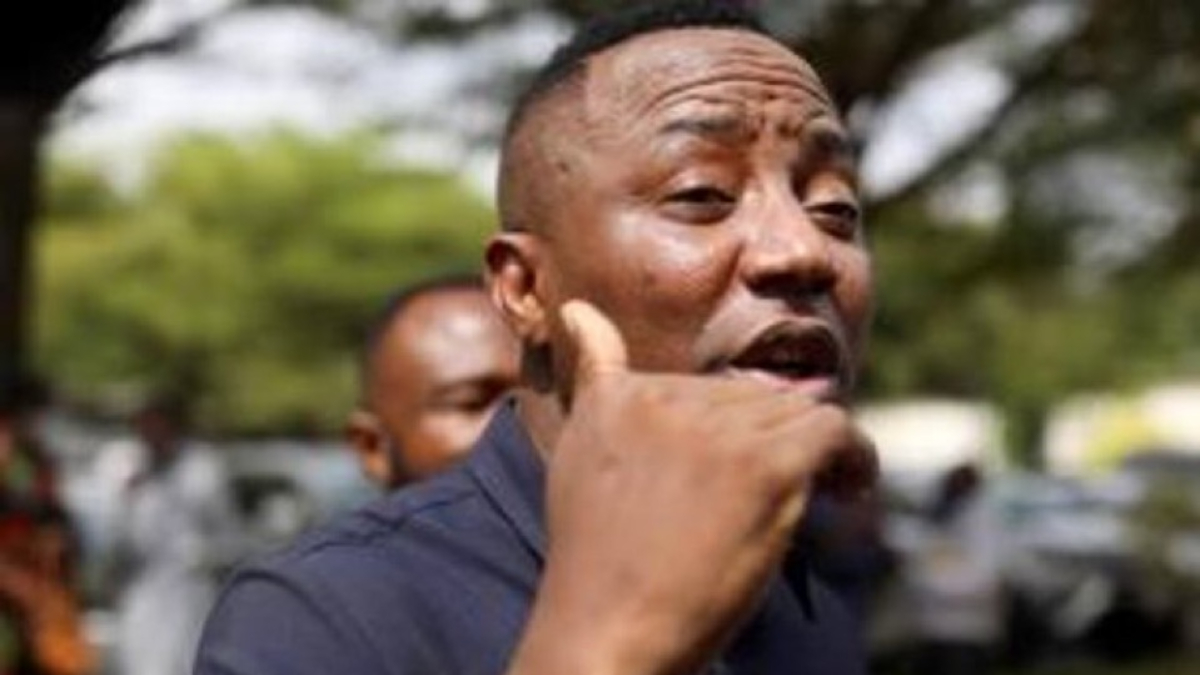
Recounting what happened after the public confrontation, Sowore said he did not allow the disagreement to end on the conference stage.
According to him, he reached out to Amaechi privately and made it clear that he expected an apology over the manner in which the former governor addressed him.
Sowore said Amaechi subsequently invited him to his residence to eat and have a beer.
The AAC candidate said he responded jokingly to the invitation, telling the former governor that he did not want to be poisoned.
The remark appeared to be a humorous response to the tension generated by their public confrontation, although Sowore’s account indicated that both men subsequently engaged outside the public glare.
Sowore Defends Activist Credentials
Sowore also challenged the notion that political relevance or contribution to Nigeria should be measured only by conventional government positions. He pointed to his years of activism and involvement in pro-democracy struggles during the era of military rule, arguing that activists played an important role in creating the democratic environment in which politicians now operate.
According to him, politicians such as Amaechi would not have had the opportunity to hold elected and appointed offices if Nigeria had remained under military rule.
He specifically cited Amaechi’s political trajectory, arguing that the former governor would not have become Speaker of the Rivers State House of Assembly, governor or Minister of Transportation under a continued military dictatorship.
Sowore maintained that the contribution of activists to Nigeria’s return to democratic rule should not be dismissed simply because they did not initially occupy conventional political offices.
His argument was also a broader challenge to Nigeria’s political establishment, which he has consistently accused of monopolising political power while marginalising activists and ordinary citizens.
READ ALSO:
‘Excellency’ Does Not Mean Excellence
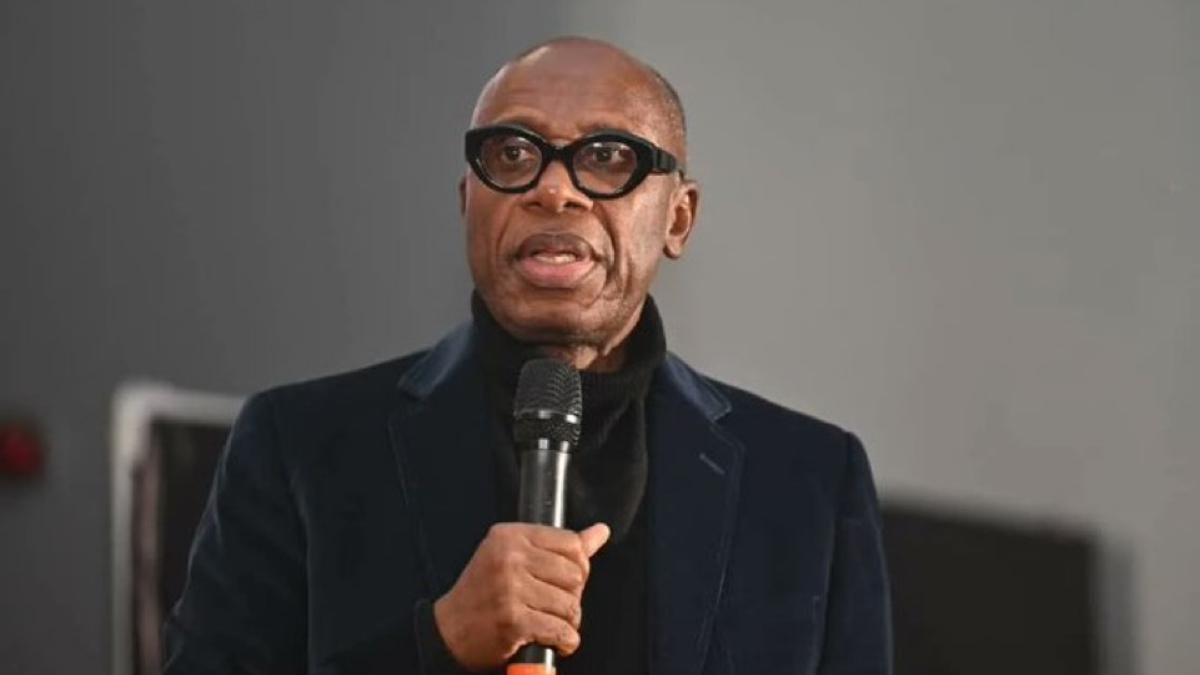
The AAC candidate also took aim at the culture of addressing former governors as “Excellency”, arguing that political titles should not automatically confer exceptional status on former office holders.
Sowore said genuine excellence in leadership should be measured by the tangible impact of governance on the lives of citizens rather than by titles attached to political positions.
He argued that Nigerians should judge former governors and other public officials based on their records, including their performance in education, healthcare, infrastructure, security, employment and the general welfare of the people.
The position is consistent with Sowore’s longstanding criticism of the political establishment and his argument that public officials should be subjected to rigorous scrutiny regardless of their status or previous offices.
Renews Opposition To Fuel Subsidy Removal
Sowore also renewed his opposition to the removal of petrol subsidy, insisting that the economic hardship confronting Nigerians vindicated his earlier warnings about the consequences of removing the policy without functional alternatives.
He argued that the policy had placed additional financial pressure on households and businesses by increasing the cost of petrol and, consequently, transportation and other essential goods.
According to him, the government should have ensured that viable alternatives were available before implementing such a far-reaching economic reform.
The subsidy issue was also at the heart of the confrontation between him and Amaechi at the NBA conference.
Sowore has consistently argued that the removal of petrol subsidy disproportionately affects ordinary Nigerians, while questioning whether the savings from the policy have translated into tangible improvements in citizens’ welfare.
Felix Ifijeh is a journalist with years of professional reporting experience. Known for his keen news sense, compelling storytelling and commitment to accurate, impactful reporting, he has built a reputation for turning leads into clear, engaging, and well-structured reports that resonate with readers. His work reflects deep newsroom experience and a commitment to accurate, impactful journalism.
