
-
Kwankwaso accuses his successor of turning against him after 43 years of personal and political association.
-
He alleges that Yusuf sought EFCC intervention against him and later sponsored pressure through a protest group.
-
The NNPP leader links the alleged actions to attempts to undermine his political camp before the 2027 elections.
-
He cautions against using anti-graft agencies, INEC and the judiciary to pursue political interests.
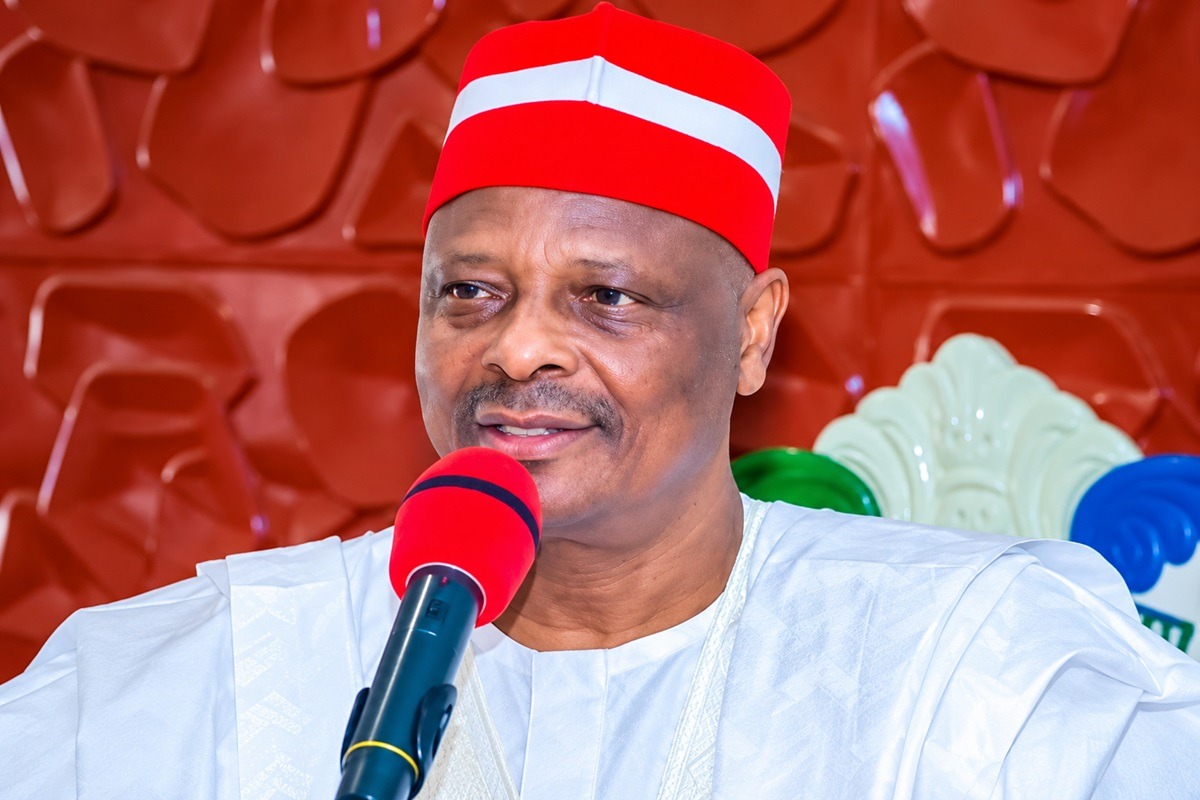
November 27, (THEWILL) – The vice presidential candidate of the Nigeria Democratic Congress (NDC), Rabiu Musa Kwankwaso has accused Kano State Governor Abba Kabir Yusuf of betraying more than four decades of personal and political loyalty.
He alleged that the governor is using the Economic and Financial Crimes Commission (EFCC) and other public institutions to discredit him and weaken his political influence ahead of the 2027 elections.
The former governor made the allegations in a statement addressing the breakdown of his relationship with Yusuf, whom he helped install as governor in 2023 through the political platform of the New Nigeria Peoples Party (NNPP).
Kwankwaso’s statement presented the dispute as a fundamental breach of trust between two politicians whose association dates back 43 years.
He accused Yusuf of turning against the political structure that nurtured his career and attempting to subject him and his family to public embarrassment through alleged pressure on anti-corruption authorities.
At the centre of his allegations is a claim that Yusuf approached the EFCC months ago with a formal request seeking action against him.

Kwankwaso further alleged that when the governor could not secure the desired intervention, a pressure group was brought into the controversy to stage protests at the commission’s headquarters.
He described the development as an attempt to compromise the independence of a statutory institution and use its reputation to advance a political objective.
From Political Protégé to Political Adversary
Kwankwaso’s grievance is rooted in what he described as the extraordinary length of his relationship with Yusuf and the responsibilities the latter held under his political leadership.
He recalled that Yusuf served as his Personal Assistant, Principal Private Secretary and Commissioner at different periods. He also identified him as the candidate endorsed by their movement in the 2019 and 2023 governorship elections.
Although Yusuf did not win the 2019 contest, his eventual victory in 2023 was secured with the backing of the political organisation built around Kwankwaso, who remains one of the most influential political figures in Kano.
The former governor said the trust developed over the years gave Yusuf intimate knowledge of his principles and approach to public service, making the present disagreement particularly disappointing.
“The longstanding relationship of 43 years with him and trust I reposed in him afforded him access to information and insight into the value I place on personal integrity, trust that has, regrettably, been misused and abused,” Kwankwaso said.
He alleged that the governor’s actions were directed at discrediting a public reputation accumulated over nearly 50 years, insisting that the controversy was being extended to members of his family.
Accuses Governor of Deploying Protest Group Against EFCC
Kwankwaso identified the Society for Anti-Corruption and Good Governance Initiative (SACGGI) as the organisation allegedly used to mount pressure on the EFCC after the governor’s purported approach to the commission failed.
He questioned the group’s credentials, claiming that it had no registration with the Corporate Affairs Commission, no verifiable online presence and no formal institutional connection with either the EFCC or the Independent Corrupt Practices and Other Related Offences Commission.
According to him, the organisation’s protests at the EFCC premises were intended to influence the commission’s handling of matters involving him.
He also alleged that the governor and some members of his cabinet had used media platforms to circulate damaging information, arguing that selective disclosures were being deployed to shape public perception of the controversy.
Despite his accusations, Kwankwaso distinguished the conduct he attributed to the governor from the manner in which the EFCC had handled his previous dealings with the commission.
He expressed appreciation to the anti-graft agency for what he described as its professional handling of two invitations extended to him during his years in public service.
He said the commission had demonstrated restraint and adhered to its established procedures, commending its handling of the situation.
READ ALSO:
Aminu Abdussalam’s Candidacy Also In Dispute
The former governor extended his allegations to the political contest over the NNPP’s governorship ticket in Kano, naming Comrade Aminu Abdussalam as another target of what he described as an attempt to undermine his political camp.
Kwankwaso said Abdussalam was defending his ticket before the Independent National Electoral Commission (INEC) and the courts, alleging that Yusuf was seeking to influence elements within the two institutions to prevent the candidate’s name from being published.
He claimed that the intention was to frustrate Abdussalam’s participation in the 2027 governorship election and leave the incumbent governor without a meaningful challenger.
Kwankwaso warned that the alleged moves could inflame political tensions, distract from substantive public issues and further threaten the security situation in the state.
He maintained that the political disagreement should not be allowed to compromise the credibility of institutions constitutionally mandated to investigate corruption, administer elections and adjudicate disputes.
Lists Public Offices, Challenges Political Vendetta
In defending his record, Kwankwaso recalled his years in government and other public assignments, arguing that his service history should be assessed on its merits rather than through what he described as politically motivated attacks.
He said he served two full terms as Kano governor, amounting to eight years, following 17 years in the civil service.
His other positions included Deputy Speaker of the House of Representatives during the aborted Third Republic, elected delegate to the 1994–1995 Constitutional Conference and Minister of Defence.
He also served as Special Adviser to the President on Darfur, represented the Northwest on the Niger Delta Development Commission and was a member of the 8th Senate.
Kwankwaso said more than 11 years after leaving the Kano State Government, he had maintained a clean public record, expressing confidence that his achievements would withstand scrutiny.
He used the occasion to caution serving politicians against assuming that the authority attached to public office would remain with them indefinitely.
“Public office is transient; those who live in glass houses should be careful about throwing stones,” he warned.
The former governor also thanked supporters and members of the public who had spoken in his defence, saying their response demonstrated that his contributions to public service had not been erased by the current controversy.
He urged political leaders to refrain from actions that could compromise the independence of public institutions, specifically calling for respect for the autonomy of anti-corruption agencies, INEC and the judiciary
Felix Ifijeh is a journalist with years of professional reporting experience. Known for his keen news sense, compelling storytelling and commitment to accurate, impactful reporting, he has built a reputation for turning leads into clear, engaging, and well-structured reports that resonate with readers. His work reflects deep newsroom experience and a commitment to accurate, impactful journalism.