
-
Refining petrol in Nigeria does not remove exposure to global crude prices.
-
Dangote’s wholesale petrol price rose to ₦1,350 on September 12.
-
Crude supply and currency costs influence what refiners charge.
-
Domestic production can improve supply without guaranteeing cheaper fuel.
September 22, (THEWILL) – Nigeria can produce more of its own petrol and still pay more for it. The cost of the crude entering a refinery remains exposed to international markets, even when the finished fuel never crosses a border.
That helps explain why expanded domestic refining has not shielded Nigerians from the latest increases. Price checks published on September 21 put petrol at about ₦1,400 per litre in Lagos and Abuja, with some northern stations charging ₦1,500.
Those prices reflect increases already reaching consumers, rather than a new adjustment announced that day.

For households and businesses, the frustration is understandable. Processing crude locally should remove some of the expense and uncertainty of importing finished petrol. However, those potential savings do not fix the price of the raw material.

The Refinery Is Local, but Its Biggest Input Has a Global Price
Dangote Petroleum Refinery increased its petrol loading-bay price from ₦1,265 to ₦1,350 per litre effective September 12, according to a customer circular reported by PUNCH.
It was the fourth upward adjustment since August 21. Across that period, the price rose by ₦185 per litre, approximately 15.9%, as international oil prices remained elevated amid disruptions affecting supplies through the Strait of Hormuz.
A refinery converts crude into petrol, diesel and other products. It must recover the cost of buying and processing that crude, alongside its operating expenses. Producing fuel closer to consumers can reduce parts of the supply chain, but rising feedstock costs can outweigh those savings.
READ ALSO:
Currency Pressures & Crude Supply Logistics
Currency arrangements introduce another pressure. In July, Dangote said insufficient supplies under Nigeria’s naira-for-crude programme had forced it to buy additional crude internationally.
Selling finished products in naira while purchasing feedstock in dollars created a financing mismatch, the company said.
That episode does not establish the terms of every current purchase. It does show why the currency used to buy crude, the exchange rate and the reliability of local supply can influence refinery pricing.
Paying in naira may reduce the need to source dollars for a transaction. It does not, by itself, guarantee a lower underlying crude price.
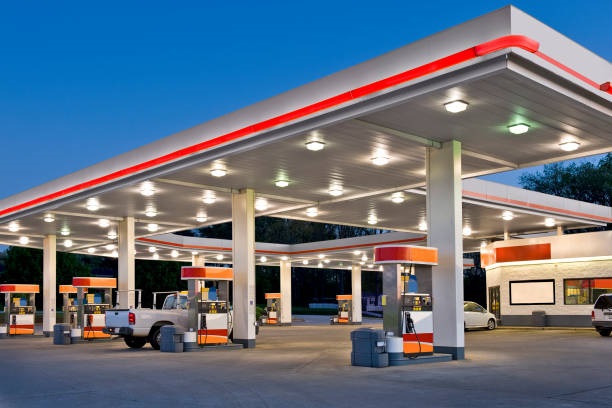
More Reliable Supply Does Not Guarantee a Smaller Fuel Bill
Once petrol leaves the refinery, transporting, storing and selling it adds further costs. The loading-bay price therefore differs from the amount motorists eventually pay, with distance and distribution conditions contributing to differences between stations.
For a customer buying 50 litres, a rise from ₦1,200 to ₦1,400 increases the bill from ₦60,000 to ₦70,000. A business facing that additional expense must absorb it, reduce fuel use or recover some of it through customer prices.
Domestic refining can still provide economic benefits through local processing and reduced dependence on imported products.
Pump prices alone cannot establish how much more expensive fuel might have been without that capacity.
What the recent increases demonstrate is the limit of expecting a refinery to deliver price protection on its own.
Consistent crude supply, efficient distribution and competitive pricing all influence what Nigerians pay, while international oil movements continue to reach the local pump.

Joy Onuorah is a business journalist and brand communications specialist covering financial markets, artificial intelligence, digital economy, and the ideas reshaping business across Africa and the global market. Beyond her reporting for TheWill, Joy uses brand strategy, storytelling, copywriting, and high-value SEO to help brands build lasting market authority.