
-
British Foreign Secretary Ed Miliband has warned Iran that the United Kingdom will not tolerate intimidation, threats or hostile activities by Iranian-linked groups on British soil.
-
Miliband issued the warning during a meeting with Iranian Foreign Minister Abbas Araqchi on the sidelines of the United Nations General Assembly in New York, amid heightened tensions in the Middle East.
-
The two officials also discussed the ongoing regional war and the need to reopen the strategically important Strait of Hormuz, whose disruption has raised concerns over global energy supplies and shipping.
-
The warning came days after Britain’s National Cyber Security Centre accused Iranian state-linked actors of using CHOSEN BRICK spyware to target dissidents, activists and journalists through spear-phishing campaigns.
September 25, (THEWILL) – The United Kingdom has warned Iran that it will not tolerate intimidation, threats or hostile activities linked to Tehran being carried out on British soil.
British Foreign Secretary Ed Miliband delivered the warning to Iranian Foreign Minister Abbas Araqchi during a meeting on the sidelines of the 81st United Nations General Assembly in New York on Thursday.
The meeting came against the backdrop of escalating tensions in the Middle East, growing concerns over the security of the Strait of Hormuz and mounting allegations by Western governments of Iranian-linked cyber and security activities targeting individuals in Europe and elsewhere.

Iran has repeatedly criticised Britain’s policies towards Tehran, including sanctions and London’s cooperation with the United States and other Western governments.
According to the British Foreign Office, Miliband reiterated Britain’s determination to confront threats from Iranian-linked groups operating in the United Kingdom.
“The Foreign Secretary reiterated the UK’s unwavering resolve to combat threats from Iranian-linked groups on UK soil”, the Foreign Office said.
Miliband specifically raised concerns over threats against the British Jewish community and stressed that London would not accept hostile activities directed from or through Iranian-linked networks.
He told Araqchi that Britain “will not tolerate intimidation, threats or hostile activity on UK soil”, reinforcing London’s position that its domestic security would remain a central issue in relations with Tehran.
Hormuz, Middle East Conflict
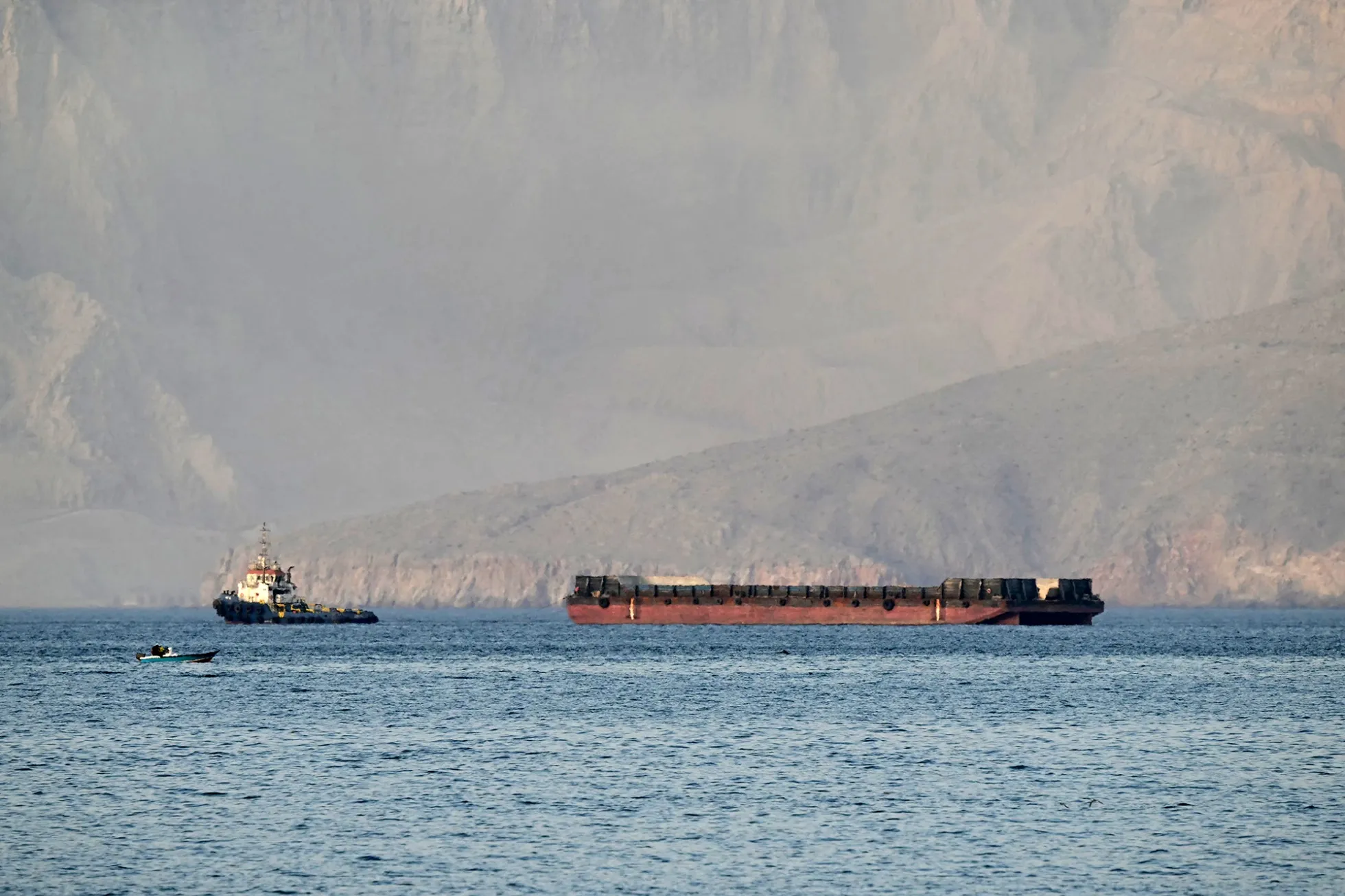
The British and Iranian foreign ministers also discussed the ongoing war in the Middle East and the importance of restoring freedom of navigation through the Strait of Hormuz.
The waterway, which connects the Persian Gulf with the Gulf of Oman, is one of the world’s most important energy corridors, with a significant proportion of global oil and liquefied natural gas shipments passing through it.
Any prolonged disruption has the potential to affect international energy markets, shipping costs and global supply chains.
Miliband pressed for the reopening of the strait as part of broader diplomatic efforts to reduce tensions in the region.
The discussions came amid continuing international concern over the possibility that the Middle East conflict could further widen, with Western governments urging restraint and diplomatic engagement.
READ ALSO:
UK Raises Iranian Cyber Threat
The warning also follows a recent alert from Britain’s National Cyber Security Centre, which said Iranian state-linked cyber actors had deployed a spyware family known as CHOSEN BRICK in attacks against targeted individuals.
The NCSC said the actors had used spear-phishing campaigns on messaging platforms, including WhatsApp and Telegram, to gain access to sensitive information.
The malware was reportedly used to steal emails, messages and other data from targeted devices.
British authorities said the cyber activity was part of a wider pattern of Iranian state-linked operations targeting dissidents, activists and journalists.
The allegations have further complicated already strained relations between London and Tehran.
Britain has previously accused Iranian state-linked actors of conducting cyber operations and other activities aimed at individuals regarded by Tehran as opponents.
British Nationals Also On Agenda
The Foreign Office said the meeting also raised the issue of British nationals detained in Iran.
Miliband pressed Tehran over the detention of British nationals and reiterated Britain’s demand that they be treated appropriately and released.
The issue has remained a major source of tension between the two countries, with successive British governments accusing Iran of using the detention of foreign nationals as a means of exerting diplomatic pressure.
Tehran, however, has rejected such characterisations and maintained that individuals detained in Iran are subject to its judicial process.

Felix Ifijeh is a journalist with years of professional reporting experience. Known for his keen news sense, compelling storytelling and commitment to accurate, impactful reporting, he has built a reputation for turning leads into clear, engaging, and well-structured reports that resonate with readers. His work reflects deep newsroom experience and a commitment to accurate, impactful journalism.
