
-
The United States launched fresh airstrikes on Iran’s Qeshm Island in the strategic Strait of Hormuz on Monday, targeting Iranian military positions following an alleged attack on a US aircraft.
-
US officials described the operation as limited and defensive, saying it was not a resumption of full-scale military operations against Tehran.
-
Israeli Prime Minister Benjamin Netanyahu is pushing for further military action against Iran amid diplomatic efforts to end the eight-month-old conflict and growing pressure over its economic consequences ahead of the US midterm elections.
-
Iran says intensive negotiations with Washington are continuing through mediators, while Israeli Prime Minister Benjamin Netanyahu is reportedly pressing Trump to authorise another extensive military campaign.
November 3, (THEWILL) – The United States has launched fresh airstrikes on Iran’s Qeshm Island in the strategic Strait of Hormuz, targeting Iranian military positions following an alleged attack on an American aircraft.
Although the US military’s Central Command (CENTCOM), which oversees American military operations in the Middle East, had not issued an official statement on the reported strikes as of the time of filing this report, officials said the operation was in response to an attack by Iran’s Islamic Revolutionary Guard Corps (IRGC) on a US aircraft.
The officials described the operation as limited and defensive, stressing that it did not signal a return to major combat operations against Iran.

Iranian state news agency IRNA reported several explosions on Qeshm Island on Monday, but details on the damage and possible casualties were not immediately available.
The strikes followed increased Iranian attacks on commercial vessels navigating the Strait of Hormuz in recent weeks. American forces have also carried out other limited operations against Iranian targets during the period, although some were not publicly announced.
According to an American official, the decision not to publicise previous operations was intended to avoid creating the impression that Washington had resumed its full-scale military campaign against Tehran.
Iran had earlier claimed that it shot down two American RQ-170 reconnaissance drones, a claim dismissed by a US official.
Qeshm Island, located off Iran’s southern coast in the Persian Gulf, occupies a strategic position near the Strait of Hormuz, one of the world’s most important maritime routes for international oil and gas shipments.
The latest strikes came amid uncertainty over the direction of the war, with Trump facing pressure over its economic consequences and calls within his Republican Party for an end to the conflict.
The war and its impact on fuel prices and the wider American economy have become significant issues ahead of Tuesday’s midterm elections, which will determine whether Republicans or Democrats control Congress.
Trump, however, said on Monday that he was in no hurry to intensify military operations against Iran, insisting that Washington had already inflicted substantial damage on the country’s economy.
“One way or the other, we will do something, but there is no rush. We crippled them financially”, he told Axios.
He added that Iran had no money or gasoline and that its people were becoming increasingly tired of the conflict.
In a separate interview with Fox News, Trump raised the possibility of another strike against Pickaxe, a site linked to Iran’s nuclear programme.
Describing a possible operation against the facility as relatively straightforward, he said it was “not a big deal” and could be completed in “one hour”.
However, when asked whether the United States intended to resume major military operations against Iran after the midterm elections, Trump answered “no”.
His comments came amid growing speculation that Washington could launch another extensive offensive after the elections, although the administration had not announced any decision to that effect.
Meanwhile, the United States continues to maintain a naval blockade to prevent tankers carrying Iranian oil from reaching international markets.
Thousands of American troops remain deployed in waters around Iran, while a third US aircraft carrier and additional military personnel are reportedly being moved towards the Middle East.
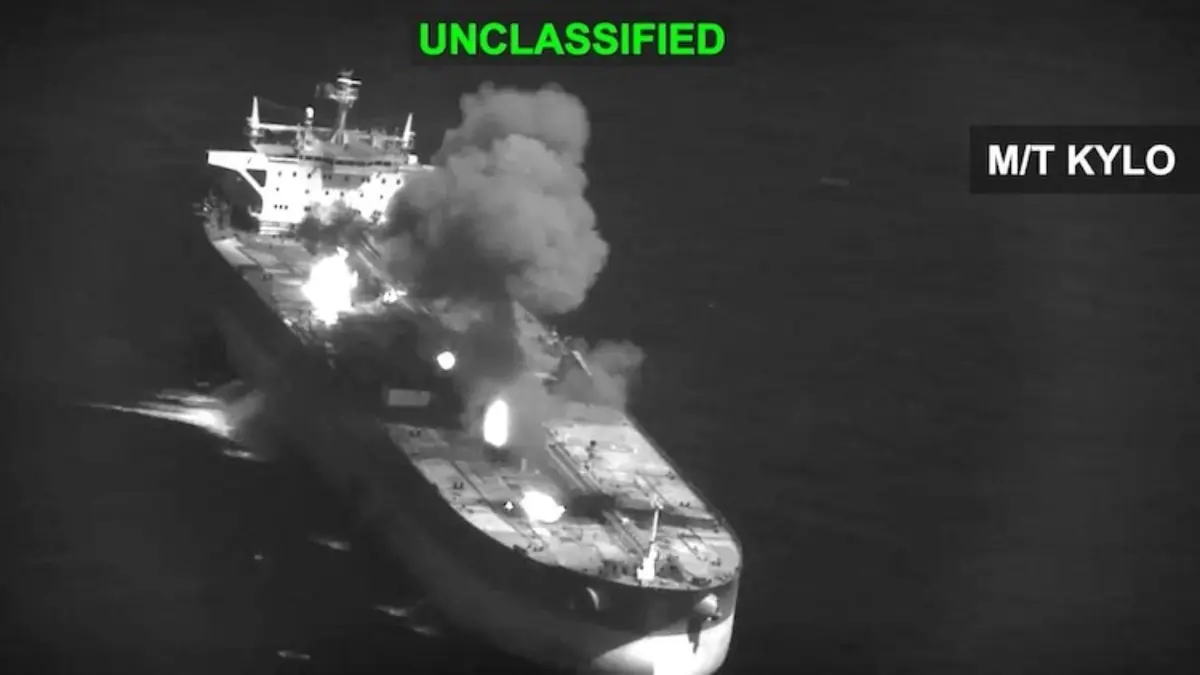
US, Iran Intensify Diplomatic Contacts
Despite the latest military action, diplomatic efforts to end the conflict are continuing, with Washington and Tehran exchanging proposals through intermediaries.
On Monday, US Vice President, JD Vance, expressed optimism about the possibility of reaching a negotiated settlement, saying the administration had held several productive discussions with Iranian officials.
“We’ve had a number of good conversations with the Iranians”, Vance told reporters.
He disclosed that he had spoken with Trump about the diplomatic engagements, adding that both men remained hopeful that an agreement could be reached.
“The president and I both feel pretty good about the prospects for potentially coming to a negotiated settlement. We’re going to keep on working at it”, he stated.
The vice president’s comments followed reports that he had sent a letter last week to Iran’s security chief, Mohsen Rezaei.
The White House had provided limited information about the correspondence, while Trump said the letter focused on assisting Iran with medical supplies and other necessities.
Iranian Foreign Minister, Abbas Araghchi, also confirmed on Monday that intensive discussions aimed at ending the war were ongoing through mediators.
He said Tehran was prepared for both diplomatic and military scenarios, insisting that the next move rested with Washington.
Araghchi urged the United States to choose what he described as the “wise path” of negotiations rather than make the “mistake of military aggression”.
The diplomatic initiative reportedly includes mediation by Qatar, whose officials held two rounds of discussions with Iranian representatives last week.
Two regional officials said the mediators were working towards a framework under which Iran would halt attacks on vessels navigating the Strait of Hormuz in exchange for the United States lifting its blockade on Iranian ports. Further discussions were expected to take place this week.
READ ALSO:
Netanyahu Presses Trump For Fresh Offensive
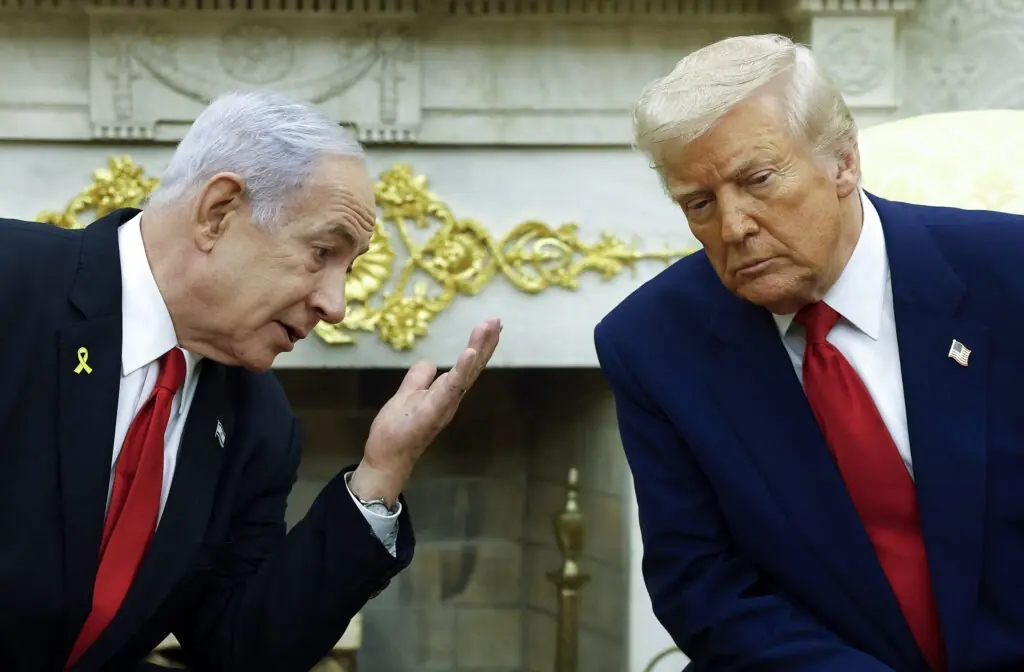
Meanwhile, Israeli Prime Minister, Benjamin Netanyahu, is reportedly intensifying efforts to persuade Trump to authorise another wave of military strikes against Iran.
Two regional officials and another person familiar with the matter said Netanyahu pushed for a quick but extensive American air campaign during a telephone conversation with Trump over the weekend.
The sources said Netanyahu was also working with senior officials in the Trump administration to secure support for renewed military action, preferably after the US midterm elections.
Trump, however, reportedly did not commit to the proposed offensive, leaving uncertainty over whether Washington would approve another major campaign.
Netanyahu’s reported push comes amid political developments in Israel, where he and his far-right allies lost their parliamentary majority following recent elections.
Other US allies in the Middle East have reportedly cautioned Washington against renewed large-scale attacks on Iran, warning that further military escalation could destabilise the region and trigger retaliatory operations by Iran-backed groups.
Among the concerns are possible intensified attacks by Yemen’s Houthi rebels against Saudi Arabia and commercial shipping in the Red Sea, as well as increased activity by Iran-backed militias in Iraq.
Saudi Defence Minister, Prince Khalid bin Salman, also spoke by telephone with US Defence Secretary Pete Hegseth on Monday over the latest regional and international developments, including continued Houthi attacks against Saudi Arabia.
Background
The conflict began in February 2026 when the United States and Israel launched military strikes against Iran, escalating tensions over Tehran’s nuclear programme and military capabilities into a wider regional confrontation.
The war has disrupted international shipping, heightened security concerns across the Middle East and contributed to volatility in global energy markets.
The Strait of Hormuz, which connects the Persian Gulf to the Gulf of Oman, remains central to the confrontation because of its importance to international oil shipments.
Washington subsequently imposed a naval blockade on Iranian ports, while Iran stepped up pressure on maritime traffic through the waterway.
The latest strikes on Qeshm Island came as the United States maintained its military presence in the region while pursuing negotiations aimed at ending the conflict.

Felix Ifijeh is a journalist with years of professional reporting experience. Known for his keen news sense, compelling storytelling and commitment to accurate, impactful reporting, he has built a reputation for turning leads into clear, engaging, and well-structured reports that resonate with readers. His work reflects deep newsroom experience and a commitment to accurate, impactful journalism.
