
-
Malawi have reached their first-ever WAFCON final on their tournament debut after eliminating Algeria 3-1 in the semi-finals.
-
Cameroon have returned to the final for the first time since 2016 after knocking out defending champions Nigeria and hosts Morocco.
-
Both finalists have endured very different journeys, but neither has ever lifted the WAFCON trophy.
August 13, (THEWILL) — Sunday’s final will therefore create a new African champion, with Malawi chasing a dream title on debut and Cameroon seeking to end decades of near-misses.
The 2026 Women’s Africa Cup of Nations has produced a final that few would have predicted when the tournament began.
On Sunday, Malawi and Cameroon will meet for the continental crown, with both nations arriving at the biggest stage in African women’s football carrying stories of survival, setbacks and historic breakthroughs.

For Malawi, this is uncharted territory. The Scorchers are playing at the WAFCON for the first time and have somehow turned their debut into a run all the way to the final.
For Cameroon, the journey is different. The Indomitable Lionesses have been here before, but always left disappointed. They are returning to the final for the first time since 2016, hoping that this generation can finally achieve what previous teams could not.
And there is one remarkable certainty before a ball is kicked: whoever wins on Sunday will become a first-time WAFCON champion.
1. Malawi’s Dream Run: From Debutants to WAFCON Finalists
Malawi entered the tournament carrying the tag of debutants, but they wasted almost no time announcing that they had not travelled to Morocco simply to make up the numbers.
Their first assignment was arguably the toughest possible introduction: defending champions and record 10-time winners Nigeria.
The Scorchers responded by producing one of the tournament’s biggest shocks, defeating the Super Falcons 3-2 in a match that immediately changed the complexion of their campaign. The Chawinga sisters, Temwa and Tabitha, were at the heart of the victory, with Temwa scoring twice and Tabitha also finding the net.
Instead of allowing the result to become a one-off upset, Malawi followed it with another convincing performance against Egypt, winning 3-1. Rose Kadzere, Faith Chinzimu and Temwa Chawinga were on the scoresheet as the Scorchers strengthened their position in the group.
Then came their first real setback.
Malawi lost 2-1 to Zambia, leaving the group finely poised and forcing the debutants to survive a tense qualification battle. The defeat was a reminder that their dream run would not be straightforward.
The Scorchers advanced from the group and carried their belief into the knockout rounds, where the pressure became even greater. Their run had already gone beyond expectations; now they had an opportunity to do something no Malawian women’s team had ever done.
Malawi defeated Ghana 2-1 in the quarter-finals after falling behind early, with Temwa Chawinga equalising before Rose Kadzere scored the winner.
Then, in the semi-final, they produced another commanding performance against Algeria.
Tabitha Chawinga scored twice, and Temwa added another as Malawi won 3-1, with Ikram Adjabi’s second-half goal unable to change the outcome.
Five matches into their first WAFCON, Malawi had gone from outsiders to finalists.
Their journey has already rewritten the history of Malawian women’s football. One more victory would turn that historic debut into one of the greatest title triumphs the competition has ever seen.
READ ALSO: WAFCON: Cameroon Knocks Out Holders Nigeria In Shock Quarter-Final Defeat
2. The Scorchers Keep Surviving: Ghana and Algeria Stood Between Malawi and History
What makes Malawi’s run particularly impressive is not simply the fact that they have reached the final, but the way they have repeatedly responded when their tournament appeared ready to become difficult.
Against Ghana, they conceded first when Chantelle Boye-Hlorkah gave the Black Queens the lead. But instead of collapsing under the pressure of a quarter-final, Malawi responded through Temwa Chawinga before Kadzere completed the comeback in the second half.
The semi-final against Algeria offered another test.
By this stage, there was no longer any element of surprise about Malawi. Their opponents knew exactly what was at stake, and the Scorchers had to deal with the expectation that came with becoming the tournament’s biggest story.
Tabitha Chawinga opened the scoring before Temwa doubled Malawi’s advantage just before half-time. Algeria briefly threatened a comeback when Adjabi reduced the deficit, but Tabitha returned to score her second and settle the contest.
The final whistle confirmed something that had seemed almost impossible at the beginning of the tournament: Malawi were going to the WAFCON final.
The Chawinga sisters have naturally become the faces of the campaign, but the achievement is bigger than two players. Malawi have shown resilience at almost every stage, recovering from the Zambia defeat, surviving the pressure against Ghana and then defeating Algeria when the stakes were at their highest.
Now they are 90 minutes from completing the most extraordinary chapter in their women’s football history.
3. Cameroon’s Road Back: From a Second Chance to the Final
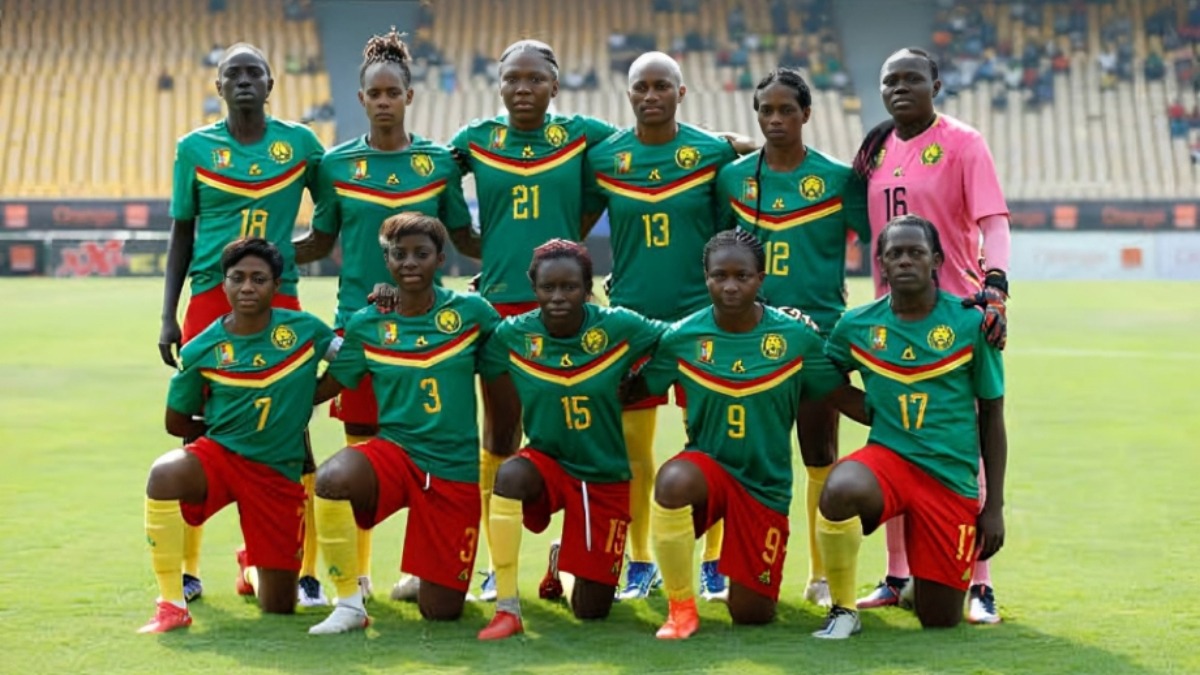
Cameroon’s route to the final has been just as remarkable, although for very different reasons.
The Indomitable Lionesses did not arrive in Morocco carrying the same momentum as Malawi. In fact, their place at the tournament was the product of an unusual turn of events.
Cameroon had been eliminated in qualifying but were brought into the expanded 16-team tournament after CAF increased the number of finalists, with their world ranking helping them secure a place.
What initially looked like a second chance has now become an opportunity for redemption.
Cameroon made the most of it from the group stage, opening with a 2-1 victory over Mali.
They then continued their unbeaten campaign and secured their place in the knockout rounds, showing the defensive discipline and experience that would become even more important later in the tournament.
But the real test was waiting in the quarter-finals.
Standing between Cameroon and the semi-finals were Nigeria, the defending champions and the most successful nation in WAFCON history.
They defeated the Super Falcons 1-0, producing one of the biggest knockout shocks of the tournament and sending themselves into the last four.
Suddenly, the team that had entered the tournament through a second chance was one victory away from returning to the final for the first time in a decade.
But there was another enormous obstacle: the hosts.
READ ALSO: WAFCON 2026: Four African Nations Already Qualified For 2027 Women’s World Cup
4. Nigeria, Morocco and Michaely Bihina: Cameroon’s Redemption Run
If the victory over Nigeria gave Cameroon belief, the semi-final against Morocco gave them history.
The hosts were desperate to reach a third consecutive WAFCON final and win their first continental title on home soil. With the support of the Rabat crowd, Morocco controlled much of the contest, but Cameroon remained organised and refused to break.
Neither side could find a goal across 120 minutes. Then came the decisive moment.
Morocco were awarded a penalty in the 118th minute following a VAR review, presenting Fatima Tagnaout with a golden opportunity to send the hosts into the final.
Instead, Michaely Bihina became the heroine of the night.
The Cameroon goalkeeper saved Tagnaout’s effort to keep the score at 0-0 and force a penalty shootout. She was not finished.
Bihina then saved three Morocco penalties during the shootout as Cameroon triumphed 3-1 on penalties.
It was an extraordinary individual performance, particularly because Bihina had already produced nine saves in Cameroon’s quarter-final victory over Nigeria.
Cameroon had now eliminated the defending champions and the hosts in successive knockout rounds.
The Indomitable Lionesses were going back to the final.
For Morocco, it was another devastating near-miss after finishing runners-up at the previous two editions. For Cameroon, it was the completion of a remarkable return to the continental summit.
They had been given a second chance to participate.
Now they have a chance to win the trophy.
5. One Final, Two Histories: What Malawi or Cameroon Will Achieve on Sunday
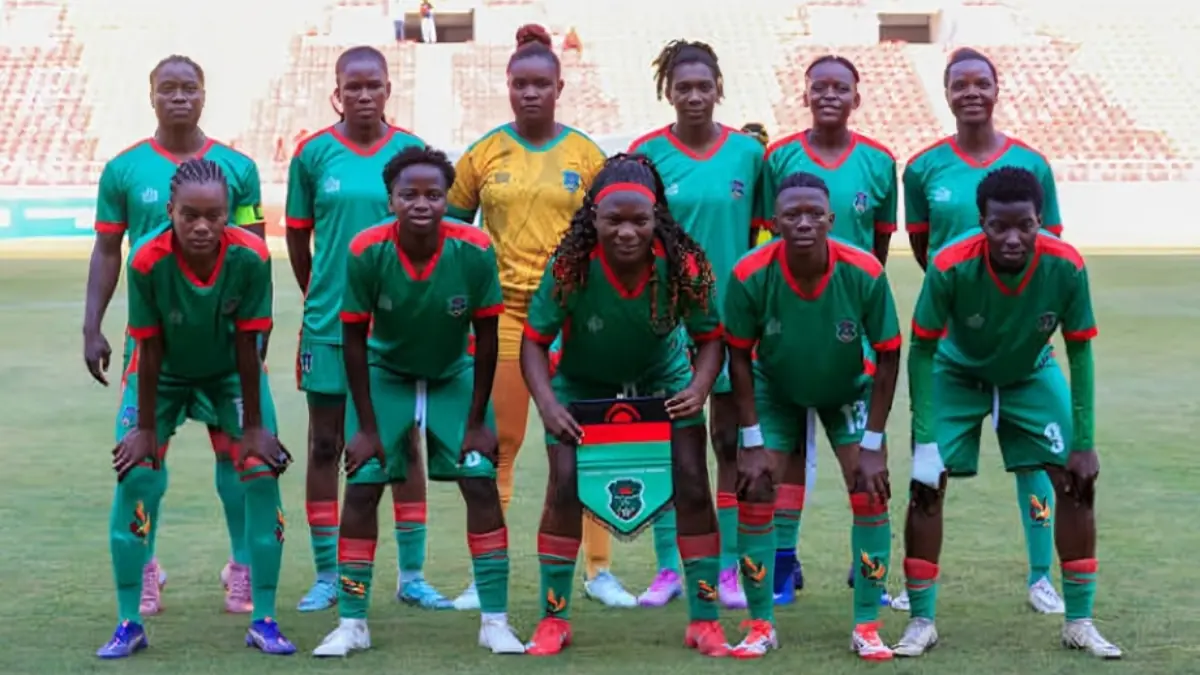
This is where the 2026 WAFCON final becomes bigger than just another championship match.
Neither Malawi nor Cameroon has ever won the Women’s Africa Cup of Nations.
That means the final is guaranteed to produce a new champion.
For Malawi, victory would complete an almost unbelievable story.
The Scorchers would become African champions in their first-ever WAFCON appearance, having entered the competition as debutants and defeated some of the continent’s most established teams along the way.
They would have gone from first-time participants to champions in the space of one tournament.
The Chawinga sisters would also become central figures in one of the most memorable title runs in WAFCON history, after powering Malawi through several of their biggest matches.
For Cameroon, however, victory would carry a different kind of historical weight.
The Indomitable Lionesses have reached the WAFCON final three times before and lost each time. Their most recent appearance came in 2016, when they were beaten by Nigeria.
A victory on Sunday would therefore not only give Cameroon their first WAFCON title; it would finally erase the painful legacy of those previous final defeats.
It would also mark the return of Cameroon to the top of African women’s football after years of waiting for another opportunity.
What makes this final so compelling? Malawi are chasing their first final and their first trophy.
Cameroon are chasing their first trophy after three previous final defeats. One side is writing history for the first time, while the other is trying to rewrite its history.
After a tournament in which defending champions Nigeria were eliminated before the final and hosts Morocco suffered another heartbreaking near-miss, the 2026 WAFCON has arrived at a remarkable conclusion.
On Sunday, the continent will witness a final unlike any other.
Malawi or Cameroon will lift the WAFCON trophy for the first time.
For Malawi, it could be the greatest debut story African women’s football has ever produced.
For Cameroon, it could finally be the night the Indomitable Lionesses turn years of heartbreak into continental glory.
Either way, when the final whistle goes, a new name will be engraved in African women’s football history.

Olumide Atiba is a sports journalist with THEWILL, known for his keen news sense and compelling storytelling. He has built a reputation for turning leads into clear, well-structured reports that resonate with readers, with a strong focus on football coverage