
-
President Bola Tinubu has ordered a comprehensive reset of Nigerian football, directing a far-reaching reform of its governance, administration, stakeholder representation, player development pathways, domestic competitions and accountability mechanisms.
-
The President’s directive comes amid Nigeria’s repeated failures to qualify for major regional, continental and global tournaments, with Tinubu attributing the country’s football struggles largely to structural weaknesses rather than a lack of talent, passion or resources.
-
Tinubu said football has not matched the progress recorded in other sports since the re-establishment of the National Sports Commission, arguing that Nigeria’s most popular sport must develop stronger institutions capable of converting its enormous human and financial resources into sustained success.
-
The National Sports Commission and Nigeria Football Federation have been tasked with driving the reform process, including broad consultations with football stakeholders.
August 27, (THEWILL) — President Bola Tinubu has moved to reset Nigerian football, ordering a comprehensive reform of the sport’s governance and administration in response to years of disappointing performances and repeated failures to qualify for major regional, continental and world tournaments.
The President said the reform must address the structural weaknesses that have continued to undermine Nigerian football despite the country’s abundant talent, huge public following and significant investment in the sport.
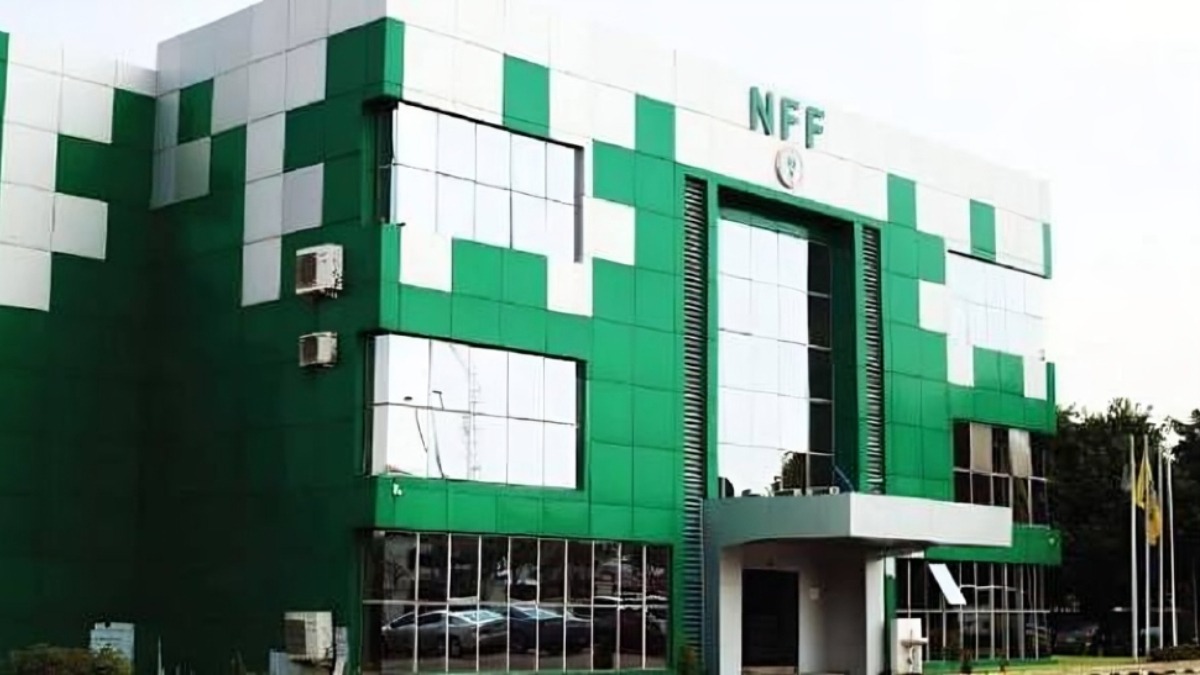
Tinubu gave the directive in a statement issued on Thursday by his Special Adviser on Information and Strategy, Bayo Onanuga, stressing that the time had come to strengthen the institutions responsible for the development and administration of football in Nigeria.

“The reform must respond to a longstanding need to strengthen governance, administration, stakeholder representation, development pathways, domestic competitions and accountability across Nigerian football,” the President said.
The directive represents a renewed push by the Federal Government to address the deeper institutional problems affecting Nigerian football, beyond the performance of individual national teams.
Nigeria remains one of Africa’s traditional football powers, with a rich history that includes three Africa Cup of Nations titles, Olympic football success and the emergence of players who have gone on to excel at leading clubs across Europe and other parts of the world.
However, the country has increasingly struggled to translate its football pedigree and vast pool of talent into consistent success on the international stage.
The Super Eagles and other national teams have suffered a series of disappointing qualification campaigns in recent years, while concerns have persisted over the administration of the game, the state of domestic competitions, grassroots development and the pathway for nurturing young talents.
It is against this background that Tinubu said the football sector required more than temporary interventions, insisting on structural changes that would produce stronger institutions and sustainable results.
The President observed that other sporting disciplines had recorded meaningful progress since the reset of the sports sector under the re-established National Sports Commission, while football had continued to struggle.
“While other sports had recorded meaningful progress since the reset of the sports sector under the re-established National Sports Commission, football has continued to struggle because of structural weaknesses within the system,” he said.
‘Football Must Match Nigeria’s Talent With Results’
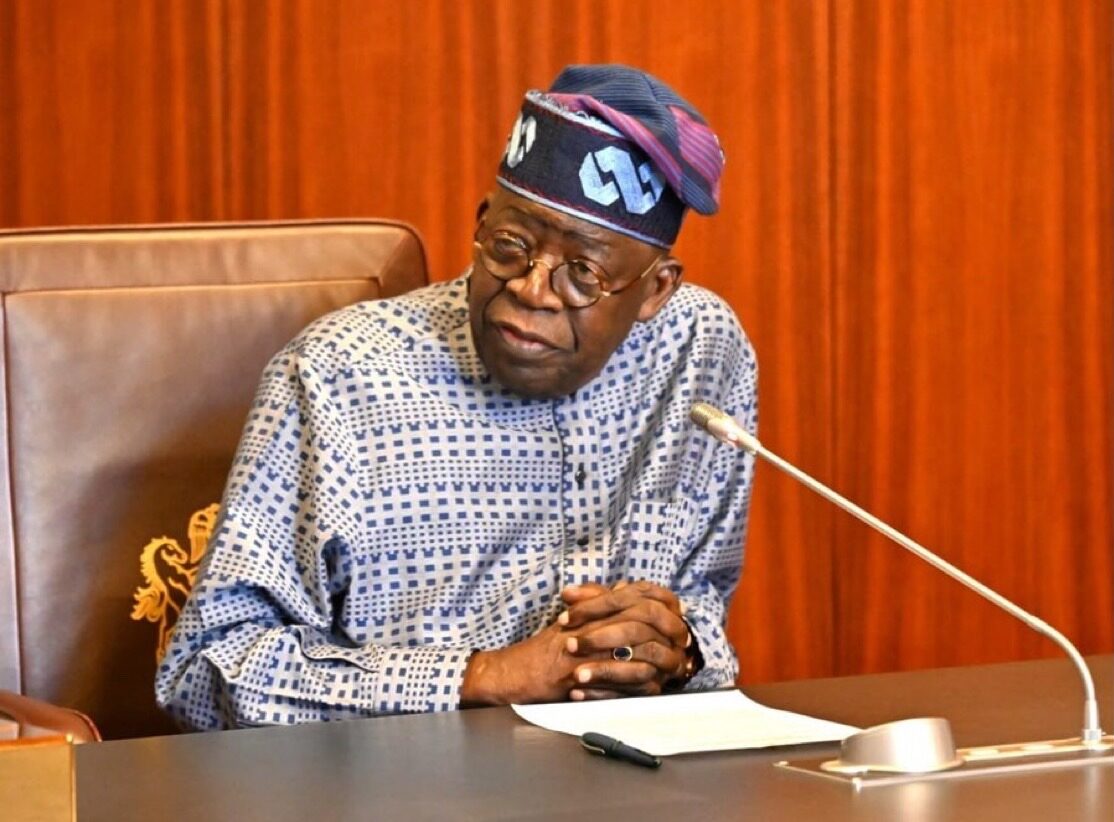
Tinubu described football as Nigeria’s most popular sport and the greatest beneficiary of public support, investment and national attention, making its continued underperformance particularly unacceptable.
“Football, Nigeria’s most popular sport and the greatest beneficiary of public support, investment and national attention, has continued to struggle basically due to structural deficits within the system,” the President said.
He stressed that Nigeria must begin to match its exceptional football talent, passion and resources with institutions capable of delivering sustained performance.
READ ALSO:
FIFA, CAF Engagement
The President also directed that appropriate engagement be undertaken with FIFA and the Confederation of African Football (CAF) as part of the reform process.
The engagement is intended to ensure that the restructuring of Nigerian football takes place within the framework of the country’s international football obligations.
Nigeria’s football administration operates within a global system governed by FIFA regulations, while its continental activities fall under the jurisdiction of CAF.
Any major restructuring must therefore take account of the rules governing national football associations and their relationship with government.
The President called on football stakeholders and Nigerians to support the transition and work collectively towards building a stronger, more accountable and successful football system.
While the reform will therefore cover several aspects of the football ecosystem, including governance and administration, representation of stakeholders, player development pathways, domestic competitions and accountability, the President has directed the Chairman of the National Sports Commission to work with the Secretariat of the Nigeria Football Federation and relevant football stakeholders to drive the reform process.
He charged the authorities to ensure continuity in essential football administration while facilitating a broad and consultative process for the proposed reforms.
Felix Ifijeh is a journalist with years of professional reporting experience. Known for his keen news sense, compelling storytelling and commitment to accurate, impactful reporting, he has built a reputation for turning leads into clear, engaging, and well-structured reports that resonate with readers. His work reflects deep newsroom experience and a commitment to accurate, impactful journalism.