
-
At least 24 State Houses of Assembly have approved the constitutional amendment establishing a dual policing system, clearing the two-thirds threshold required under Section 9 of the Constitution.
-
State-by-state reports monitored by THEWILL identified Abia, Adamawa, Akwa Ibom, Anambra, Bayelsa, Benue and 18 others as having endorsed it, with a subsequent tally putting the number of approving states at 25.
-
With the constitutional hurdle cleared, the amendment can now return to the National Assembly for transmission to President Bola Tinubu for assent, bringing Nigeria closer to the establishment of State Police.
-
The National Policing Bill, 2026, which will provide the operational framework for the proposed Federal and State Police Services, is undergoing review at the Federal Ministry of Justice and is expected back by October 30.
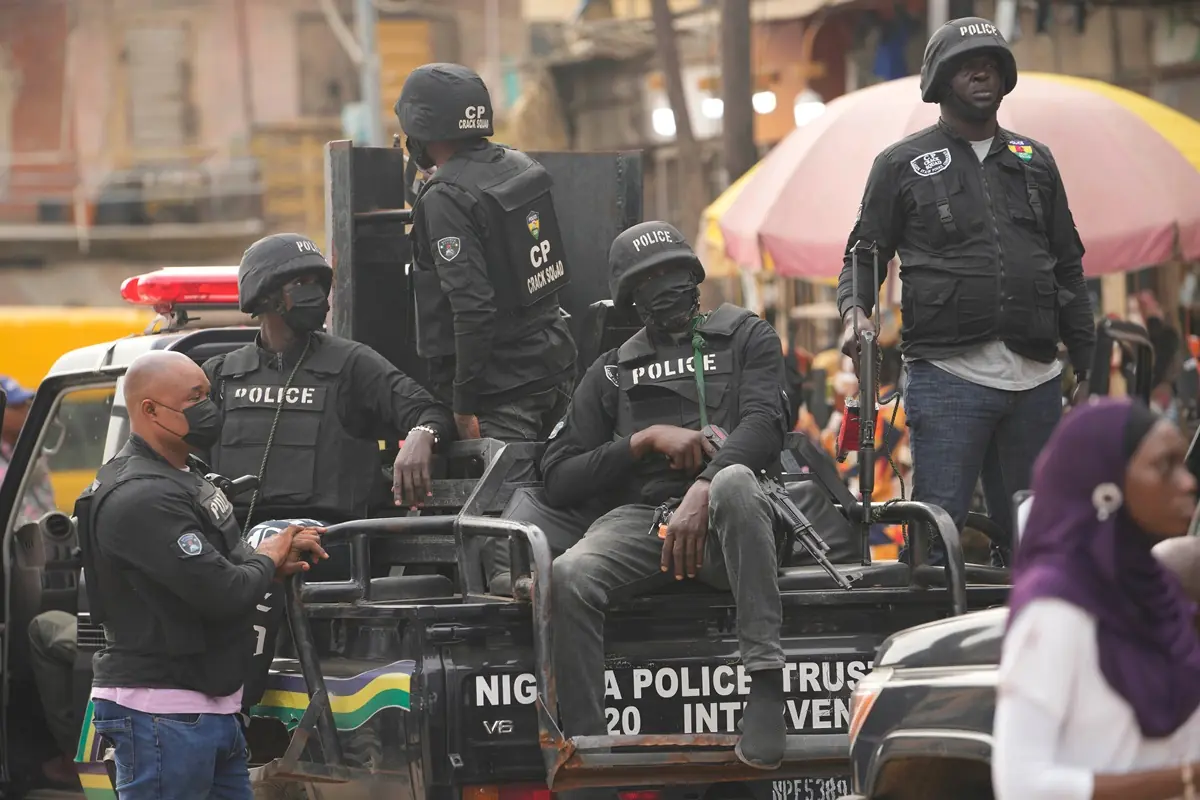
October 23, (THEWILL) – Nigeria’s decades-long push for State Police has crossed its most critical constitutional hurdle after 24 State Houses of Assembly approved the amendment establishing a dual policing system, paving the way for its return to the National Assembly and eventual transmission to President Bola Tinubu for assent.
The breakthrough could trigger the most consequential restructuring of Nigeria’s policing architecture since the return to democratic rule in 1999, potentially ending decades of exclusive federal control over conventional policing.
The Presidential Working Group on the National Policing Bill confirmed the development on Friday, saying the Constitution (Sixth Alteration) Bill, 2026, had secured the support of two-thirds of Nigeria’s 36 State Houses of Assembly as required by the Constitution.

While the Working Group did not identify the approving states in its statement, State-by-state reports monitored by THEWILL identified Abia, Adamawa, Akwa Ibom, Anambra, Bayelsa, Benue, Cross River, Delta, Edo, Ekiti, Enugu, Imo, Kaduna, Kebbi, Kwara, Nasarawa, Ogun, Osun, Oyo, Plateau, Rivers, Taraba, Yobe and Zamfara.
A subsequent independent tally included Gombe, indicating that the number of states backing the amendment may already have risen to 25, one above the constitutional minimum.
The distinction is important: 24 is the official figure announced by the Presidential Working Group as having cleared the constitutional threshold, while 25 represents the latest independently reported tally of individual state approvals.
Constitutional Barrier Falls
Chief of Staff to the President and Chairman of the Presidential Working Group on the National Policing Bill, Femi Gbajabiamila, said the development marked a major milestone in the government’s efforts to restructure policing.
“The Presidential Working Group on the National Policing Bill notes with satisfaction that the Constitution (Sixth Alteration) Bill, 2026, providing for a dual policing system, has been approved by 24 State Houses of Assembly, meeting the constitutional threshold of two-thirds of the 36 states,” Gbajabiamila said.
The Working Group commended the State Houses of Assembly for what it described as decisive action on a reform of national importance and also praised the National Assembly for previously passing the amendment in both chambers.
Under Section 9 of the Constitution, amendments requiring state concurrence must receive the support of at least two-thirds of the 36 State Houses of Assembly. That translates to 24 states.
With that threshold now crossed, the amendment can return to the National Assembly for completion of the constitutional process before transmission to President Tinubu for assent.
“In line with Section 9 of the Constitution, the amendment can now be returned to the National Assembly for transmission to Mr President for assent,” the Working Group said.
READ ALSO:
Approvals Surge From 17 to 24
The breakthrough followed a rapid surge in approvals across State Houses of Assembly.
Earlier in the week, 17 states had been identified as having endorsed the amendment, leaving seven more required to reach the constitutional threshold.
Subsequent approvals from Abia, Akwa Ibom, Bayelsa, Imo, Kaduna, Kebbi and Yobe took the number to the decisive 24.
Those states joined Adamawa, Anambra, Benue, Cross River, Delta, Edo, Ekiti, Enugu, Kwara, Nasarawa, Ogun, Osun, Oyo, Plateau, Rivers, Taraba and Zamfara, which had previously endorsed the proposal. A subsequent compilation added Gombe, potentially raising the tally to 25.
The remaining 11 states not included in that latest tally are Bauchi, Borno, Ebonyi, Jigawa, Kano, Katsina, Kogi, Lagos, Niger, Ondo and Sokoto.
Their eventual decisions could broaden support for the reform but are no longer required to satisfy the minimum two-thirds threshold.
What The Amendment Changes
At the heart of the constitutional alteration is a fundamental restructuring of Nigeria’s policing system.
The amendment provides constitutional backing for a dual policing architecture comprising Federal and State Police Services, replacing the present arrangement under which conventional policing is controlled centrally through the Nigeria Police Force.
Under the proposed framework, states would be empowered to establish their own police services in accordance with constitutional requirements and enabling legislation.
The federal policing institution would continue to exercise responsibilities assigned to it under the Constitution and federal law.
A State Police Service would not, however, automatically emerge in every state immediately after presidential assent.
States seeking to establish their own police services would be required to comply with the constitutional and statutory framework governing their creation and operation.
The proposed structure envisages minimum national policing standards and safeguards covering civilian oversight, human rights, independent police service commissions, intergovernmental cooperation, criminal information sharing and firearms control.
The safeguards are intended, among other things, to address longstanding fears that State Police could become instruments of political intimidation in the hands of governors and other powerful state actors.

National Policing Bill to Set Rules
The constitutional amendment is being pursued alongside the proposed National Policing Bill, 2026, which is expected to provide the detailed legal and operational framework for the new policing architecture.
The Presidential Working Group said the successful state-level approvals now provide constitutional backing for the system contemplated in the draft legislation.
“The approval gives constitutional backing to the policing framework that the Working Group’s draft National Policing Bill, 2026 is designed to implement,” Gbajabiamila said.
The draft bills are currently undergoing legislative drafting review and validation at the Federal Ministry of Justice.
According to the Working Group, the review is expected to be completed on or before Friday, October 30, 2026.
The documents will thereafter return to the Working Group for final consideration before being presented to President Tinubu.
The Working Group urged stakeholders to support a smooth transition to the proposed dual policing system, saying the ultimate objective was to make Nigerians safer.

Felix Ifijeh is a journalist with years of professional reporting experience. Known for his keen news sense, compelling storytelling and commitment to accurate, impactful reporting, he has built a reputation for turning leads into clear, engaging, and well-structured reports that resonate with readers. His work reflects deep newsroom experience and a commitment to accurate, impactful journalism.
