
-
More than 30 attacks on political candidates, supporters, campaign convoys, and gatherings have been recorded since campaigns for the 2027 general elections commenced on August 19, 2026.
-
President Bola Tinubu’s motorcade was attacked in Abuja and reportedly confronted by protesters during his visit to Jos, while NDC vice-presidential candidate Rabiu Musa Kwankwaso and Kano governorship candidate Aminu Abdussalam Gwarzo were caught up in violence in Bichi.
-
The National Peace Committee has documented 109 breaches of the National Peace Accord across 26 states and the Federal Capital Territory, including 33 incidents of political violence and thuggery.
-
Tinubu has authorised security agencies to confront political thuggery with full force, while the Inspector-General of Police has ordered the arrest and prosecution of those involved in pre-election violence.
November 19, (THEWILL) – Nigeria’s democracy is facing renewed threats as political violence escalates ahead of the 2027 general elections, with attacks on political candidates, party leaders, supporters, campaign convoys and political gatherings raising serious concerns about the safety of the electoral process.
The growing tension has been underscored by attacks on President Bola Tinubu’s motorcade in Abuja and during his subsequent visit to Jos, Plateau State, as well as violence involving the campaign convoy of former Kano State Governor and Nigeria Democratic Congress (NDC) vice-presidential candidate, Rabiu Musa Kwankwaso, and the party’s governorship candidate in Kano, Aminu Abdussalam Gwarzo.
The incidents are part of a wider pattern of political confrontations, intimidation, destruction of campaign materials and disruptions of party activities reported across different parts of the country since the commencement of campaigns.
The Armed Conflict Location and Event Data project (ACLED), which monitors political violence and conflict, disclosed that it had recorded more than 30 attacks targeting political candidates, campaign gatherings, supporters and convoys since campaigns for the presidential and National Assembly elections commenced on August 19, 2026.
According to ACLED, the incidents have resulted in more than 10 fatalities, several injuries, destruction of vehicles, and disruptions to campaign activities.
Assessing the situation, ACLED’s Nigeria Analyst, Raheem Mutiu, warned that politically motivated attacks could increase as the January 16, 2027, presidential and National Assembly elections approach.

“The recent attacks point to growing tensions around Nigeria’s electoral process, with political candidates, campaign gatherings, and supporters increasingly becoming targets of violence,” Mutiu said.
Mutiu attributed the growing tensions to unresolved grievances, competition among political groups, economic hardship, insecurity, perceived marginalisation and dissatisfaction with the distribution of national resources.
He identified the North-West, particularly Kano, Kaduna, Zamfara and Katsina states, as the region with the highest concentration of politically linked attacks.
According to him, the trend is partly associated with negative sentiments towards Tinubu’s administration and perceptions among some residents that the region has been neglected.
He warned that the combination of rising political dissatisfaction and attacks on candidates and their supporters could make violence an instrument for influencing voters and electoral outcomes.
“The increase in attacks targeting candidates and their supporters, amid growing anti-Tinubu sentiment in the North-West region, suggests that violence may increase before the January 2027 presidential election and be used as a tool to influence voters, candidates, and outcomes,” he said.
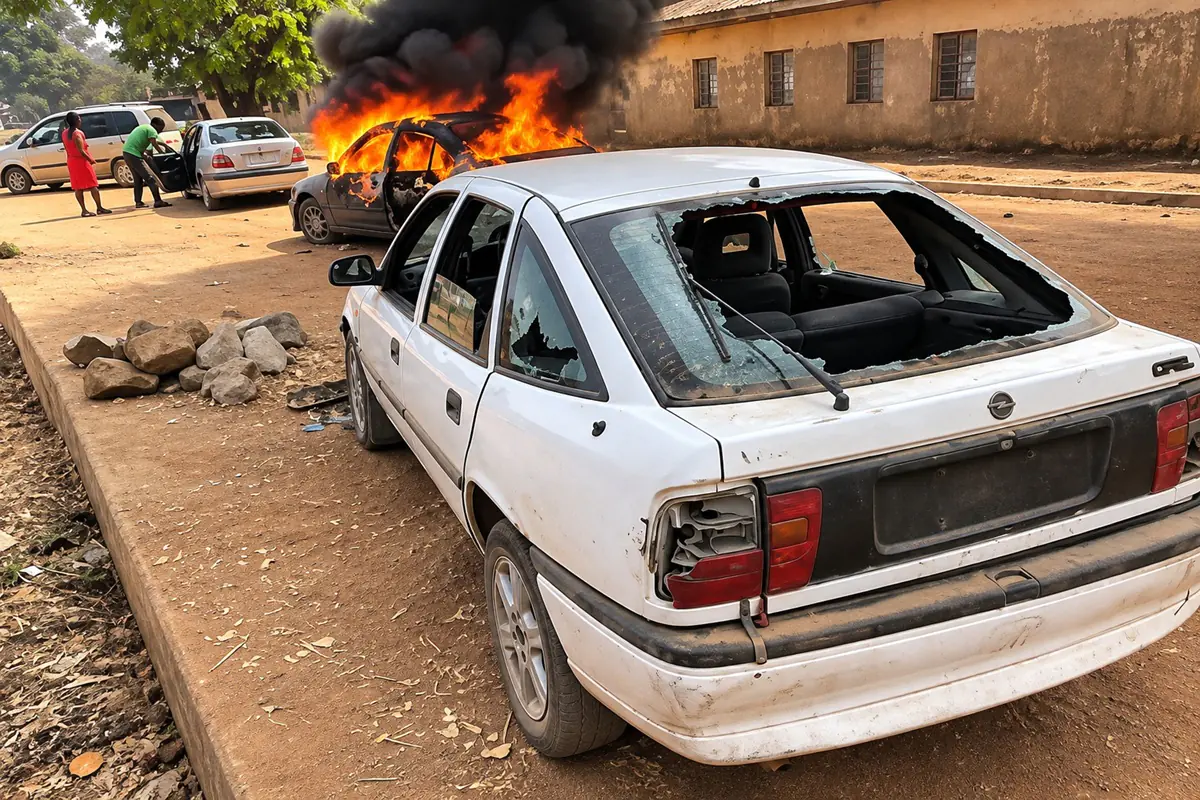
Attacks On Political Leaders, Candidates, Supporters And Campaign Convoys
The attack on Tinubu’s motorcade in Abuja on November 13 has further heightened concerns about the growing political tension ahead of the 2027 elections.
The incident occurred shortly after the President observed Juma’at prayers at the Shehu Shagari Central Mosque in the Garki area of the Federal Capital Territory.
According to the FCT Police Command, some individuals attacked the departing presidential motorcade with stones and other dangerous objects, damaging several vehicles and injuring security operatives.
The police spokesperson, Josephine Adeh, disclosed on November 16 that 78 suspects had been arrested in connection with the incident following security operations and intelligence-led raids in the area.
She said the arrests followed the deployment of a joint security team to apprehend those suspected of participating in the attack.
However, the police subsequently announced that the suspects would be released following a presidential clemency directive.
Adeh said the Presidency had directed that the suspects be cautioned and released, adding that the command had commenced the necessary procedures to implement the directive.
The Abuja incident came amid reports that some residents and worshippers had expressed displeasure during the President’s visit to the mosque.
Tinubu’s motorcade was again reportedly confronted by angry residents during his visit to Jos, Plateau State, on November 14.
THEWILL gathered that, some residents along the President’s route threw stones at his motorcade, chanted rejection slogans and expressed dissatisfaction with his administration.
Viral videos of the incident showed individuals destroying campaign billboards and posters bearing the President’s images.
The confrontation in Jos occurred barely 24 hours after the Abuja incident, further drawing attention to the security and public-order challenges surrounding political activities ahead of the elections.
Another incident occurred on November 15 in Bichi Local Government Area of Kano State, where the campaign convoy of Kwankwaso and the NDC governorship candidate, Aminu Abdussalam Gwarzo, came under attack.
The incident occurred during a political mobilisation tour by the NDC delegation to solicit support across parts of the state. The campaign team had visited Tofa, Rimin Gado, Kabo, Gwarzo, Shanono and Bagwai local government areas before proceeding to Bichi.
The spokesperson for the governorship candidate, Ibrahim Garba Shuaibu, said the team had received intelligence reports that some individuals were planning to block the road to prevent the political rally from taking place.
According to him, the situation deteriorated when the convoy arrived in the area, as suspected attackers allegedly threw stones and confronted members of the delegation.
He claimed that several supporters sustained injuries and vehicles were vandalised during the incident.
Shuaibu said he personally observed about seven vehicles with smashed windscreens.
The incidents involving Tinubu and Kwankwaso came amid several other attacks on candidates, political supporters and campaign activities across the country.
On September 8, the convoy of Peter Obi was obstructed in Benue State. Political meetings in Enugu State also came under attack in September, while the campaign convoy of African Democratic Congress (ADC) senatorial candidate, Herberta Okonofua, was attacked in Edo State on October 6.
On October 10, supporters of NDC governorship candidate, Chinyeaka Ohaa, were attacked during campaign activities in Enugu State. One of the supporters subsequently died.
Four days later, supporters of Accord Party governorship candidate, Oriyomi Hamzat, were attacked during a political procession in Ibadan, Oyo State. The incident resulted in one death.
The violence continued on October 22 when the convoy of NDC candidate, Rollins Offia-Nwali, was attacked in Ebonyi State. One person was killed, three others were injured, and the candidate’s vehicle was reportedly set ablaze.
On October 30, African Action Congress (AAC) presidential candidate, Omoyele Sowore, and members of his team were attacked in Ado-Ekiti, Ekiti State.
The convoy of Peter Obi was again attacked in Calabar, Cross River State, on November 4, while an NDC political procession in Asaba, Delta State, came under attack on November 7. The Asaba incident left one person dead and five others injured.
The attacks have also extended to political gatherings and journalists covering election-related activities.
On November 12, armed men attacked members and supporters of the NDC during a town hall meeting in Oregun, Lagos State. Journalists covering the event were also assaulted, while equipment belonging to one of the reporters was seized. One of the journalists, Samuel Adebanjo, sustained injuries during the attack.
Recounting his experience in an interview with Deutsche Welle, Adebanjo said the attackers arrived in buses and began pursuing political supporters with axes, cutlasses and wooden planks.
He said five of the attackers surrounded him and attempted to seize his camera despite his wearing a press jacket.
“They wanted to collect the camera. I was struggling with them because I didn’t want them to take it away,” he said.
Adebanjo disclosed that one of the attackers raised an axe and swung it towards his wrist, forcing him to use his hand to protect himself.
“I was expecting blood. I never knew it landed on my wristwatch, and that’s when it hit me that they’re not joking, and that I had to let go of my equipment,” he recalled.
He sustained a broken middle finger and internal injuries around his ribs.
In another incident, the campaign convoy of Peoples Democratic Party (PDP) governorship candidate in Gombe State, Isa Pantami, was attacked by armed thugs on November 11.
The attackers allegedly barricaded a road with burning tyres and smashed the windscreens of vehicles in the convoy, disrupting movement in the area.
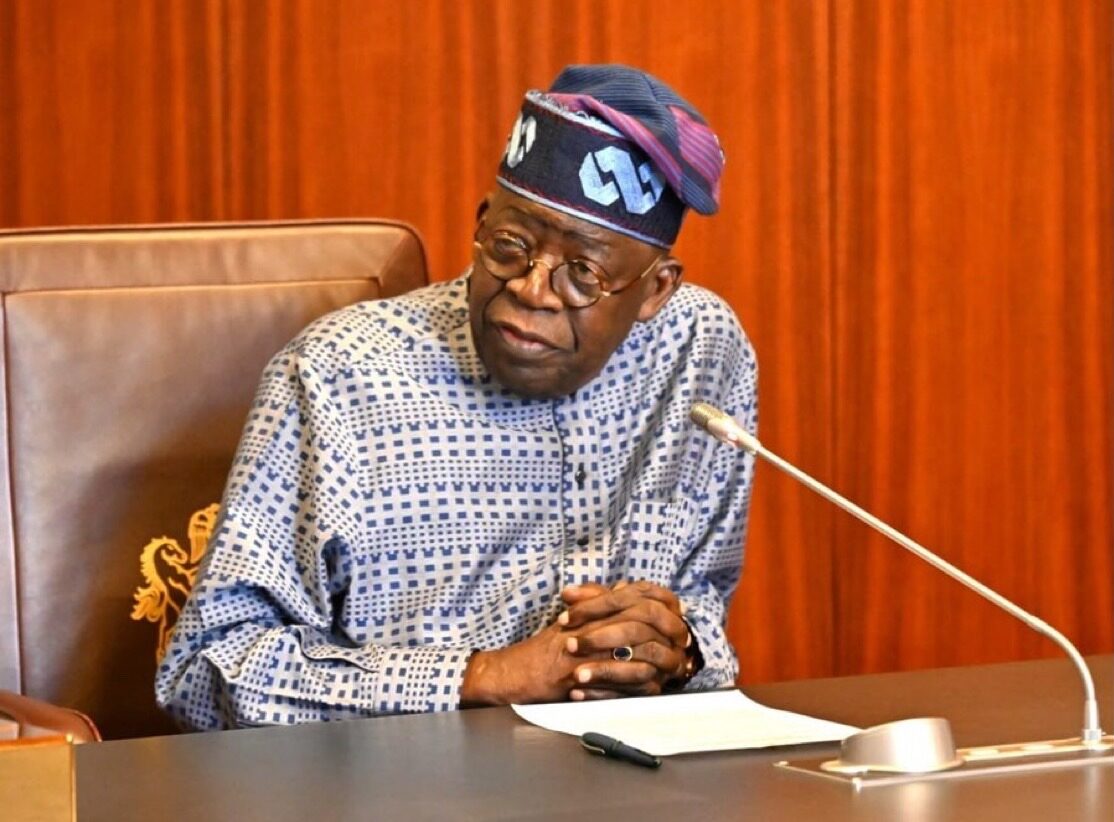
Tinubu, IGP Order Action Against Political Violence
Amid the growing incidents, President Tinubu has condemned political violence and authorised security agencies to confront political thuggery and other anti-democratic activities with full force.
In a statement personally signed on November 13, the President warned politicians and their supporters against allowing political competition to degenerate into violence, intimidation and disorder.
He said political campaigns should focus on issues and competing ideas capable of promoting the welfare of Nigerians and national development.
“Every form of violence stands condemned. Violence should never have a place in our political campaigns as we move toward the 2027 general elections,” Tinubu said.
The President urged political leaders and supporters across party lines to conduct themselves responsibly, stressing that differences in political affiliations and ambitions should not turn Nigerians into enemies.
“I have said that being in different political parties or pursuing different ambitions does not make us enemies,” he said.
The President reiterated his commitment to ensuring peaceful, free and fair elections, assuring political parties and candidates that they would be allowed to campaign anywhere in the country without intimidation or threats to their safety.
Tinubu warned that his administration would not tolerate irresponsible conduct by politicians and their supporters.
“We shall not tolerate any irresponsible conduct by politicians and their supporters,” he said.
He further directed security agencies to take decisive action against those responsible for political violence.
“Security agencies are therefore authorised to confront thuggery and other anti-social and anti-democratic activities with full force,” he added.
The President’s directive came against the backdrop of reported attacks on political gatherings, candidates and campaign convoys across several states.
Earlier, on November 5, the Inspector-General of Police, Olatunji Disu, issued a nationwide zero-tolerance directive mandating police commands to arrest and prosecute political actors, candidates and individuals involved in pre-election violence, destruction of campaign materials and hate speech.
The directive was announced by the Force Public Relations Officer, Anietie Iniedu, during a joint security press briefing hosted by the Office of the National Security Adviser in Abuja.
Disu directed Assistant Inspectors-General of Police in charge of zonal commands and Commissioners of Police across the states to ensure strict enforcement.
The police also warned that political sponsors and individuals who recruit, encourage or facilitate criminal acts would be held accountable where evidence establishes their involvement.
The Force said Commissioners of Police who failed to enforce the arrest and prosecution directive could face administrative sanctions.
The police had separately warned politicians and their supporters against destroying campaign posters, banners and billboards belonging to rival candidates, insisting that such conduct could constitute a criminal offence.
National Peace Committee Raises Alarm Over 109 Breaches
The growing incidents of political violence have also been reflected in the monitoring report of the National Peace Committee, chaired by former Head of State, General Abdulsalami Abubakar.
The committee disclosed that 109 breaches of the National Peace Accord were recorded across 26 states and the Federal Capital Territory between August 19 and October 27, 2026.
Political violence and thuggery accounted for the highest number of violations, with 33 incidents, representing 30.3 per cent of the total breaches. Misinformation and disinformation accounted for 29 incidents, while attacks on political activities and campaign assets recorded 19 cases.
Another 15 incidents involved intimidation and threats, while seven concerned restrictions on freedom of expression and assembly.
The committee identified Kaduna, Edo and Enugu as major election flashpoints, citing recurring political violence, armed disruptions and other security concerns.
Kaduna recorded the highest number of breaches, with nine incidents, while the Federal Capital Territory recorded seven.
The committee warned that the violations threatened commitments made by political parties and candidates to peaceful campaigns and credible elections.
Among the risks identified were restricted access to campaign venues, armed political mobilisation, coercion by public office holders, misinformation and declining public confidence in electoral institutions.
 Yiaga Africa Warns Tinubu, Atiku, Obi Against Political Violence
Adding its voice to the growing concerns, election-monitoring organisation Yiaga Africa has warned President Tinubu and opposition leaders, including Atiku Abubakar and Peter Obi, against allowing political campaigns to degenerate into violence.
The organisation’s Executive Director, Samson Itodo, said political violence would serve the interests of neither the ruling party nor the opposition, insisting that its consequences would ultimately be borne by Nigerians.
“Both the ruling party and opposition party need to know that it does not serve the interests of anyone if this country descends into violence,” he said.
Emphasising the consequences of allowing political tensions to escalate, he added: “Nobody wins when the country burns. The ruling party will not win, the opposition will not win, Nigerians will lose.”
Itodo urged political leaders to call their supporters to order rather than remain silent when followers attack opponents or disrupt their political activities.
He also called on security agencies to investigate reported incidents, prevent further attacks and prosecute those found responsible, irrespective of their political affiliations.
READ ALSO:
Political Violence Poses Serious Threat to Nigeria’s Democracy
Ikechukwu Odey of Election Watch , also condemned the resurgence of political violence ahead of the 2027 general elections, warning that the growing attacks on political candidates, supporters and campaign activities pose a serious threat to Nigeria’s democracy.
Speaking to THEWILL in Port Harcourt, Odey said the increasing incidents of political violence were disturbing and required urgent intervention by the government, security agencies, electoral authorities and political parties.
“What we are witnessing is a dangerous development that should concern every Nigerian. Elections are supposed to be a contest of ideas, policies and leadership capacity, not an avenue for intimidation, violence and the destruction of lives and property,” he said.
He warned that the growing hostility among political supporters could undermine public confidence in the electoral process if urgent steps were not taken to address the situation.
“Democracy cannot thrive in an atmosphere where citizens are afraid to attend political rallies, express their political preferences or campaign for candidates of their choice. Every Nigerian has the constitutional right to participate in the political process without fear of harassment or attack,” Odey said.
According to him, the attacks reported in different parts of the country suggest that political actors and their supporters must exercise restraint as preparations for the 2027 elections gather momentum.
“We must not wait until more lives are lost before taking decisive action. Political violence often begins with threats, inflammatory statements, intimidation, and the disruption of campaign activities. If these warning signs are ignored, they can escalate into more serious confrontations,” he stated.
Odey stressed that political disagreements should never be allowed to degenerate into physical violence, adding that no political ambition was worth the life of any Nigerian.
“Supporters of different political parties are first and foremost Nigerians. They may disagree politically, but that disagreement should not make them enemies.
The right to support one party or candidate must be respected, just as the right of others to support a different political platform must also be protected,” he said.
The Election Watch representative called on President Bola Tinubu, the Inspector-General of Police, the Department of State Services and other security agencies to strengthen preventive measures and ensure that those responsible for political attacks were brought to justice.
“Security agencies must investigate every credible report of political violence, identify the perpetrators and prosecute them in accordance with the law. It is not enough to arrest people who carry out attacks on the streets. Where there is evidence of sponsorship, those financing, organising or directing the violence must also be held accountable, irrespective of their political positions or affiliations,” he said.
He also urged the Independent National Electoral Commission (INEC) to work closely with security agencies and other stakeholders to ensure that political activities across the country were conducted in a peaceful and lawful atmosphere.
“INEC has an important responsibility in protecting the integrity of the electoral process. However, the responsibility does not rest on the commission alone.
Political parties must also take responsibility for the conduct of their members and supporters. Party leaders should condemn violence clearly and ensure that their campaigns are conducted within the provisions of the law,” Odey added.
He warned political parties against using young people as instruments of electoral violence, urging them to channel their energy towards constructive political participation.
“Our young people must not allow themselves to be used as political weapons. They are the future of this country, and they should not risk their lives, freedom and future because of the ambitions of politicians. Political parties should mobilise young people around ideas, programmes and policies, not violence,” he said.
Odey further called on traditional rulers, religious leaders, civil society organisations, the media and community leaders to intensify public sensitisation against political violence.
He said the responsibility to protect Nigeria’s democracy extended beyond government institutions, stressing that citizens must also reject political intimidation and violence.
“Our concern is not about which political party gains an advantage or suffers a setback. It is about the survival of democracy and the protection of the rights of Nigerians. Every citizen must be free to participate in the electoral process, regardless of political affiliation,” he said.
He maintained that the credibility of the 2027 elections would depend not only on what happens on election day but also on whether Nigerians could freely campaign, assemble, associate and express their political choices in the months preceding the polls.
“The 2027 elections must not become a period of intimidation, revenge or bloodshed. We must act now to prevent the situation from deteriorating. Those who instigate, finance or participate in political violence must understand that there should be consequences for their actions.
“No political ambition is worth the blood of a Nigerian. We cannot claim to be practising democracy when citizens are afraid to exercise their democratic rights.
“The 2027 elections must be decided by the votes of Nigerians, not by violence, intimidation or political thuggery. We must protect the ballot, protect the people and defend our democracy,” Odey added.
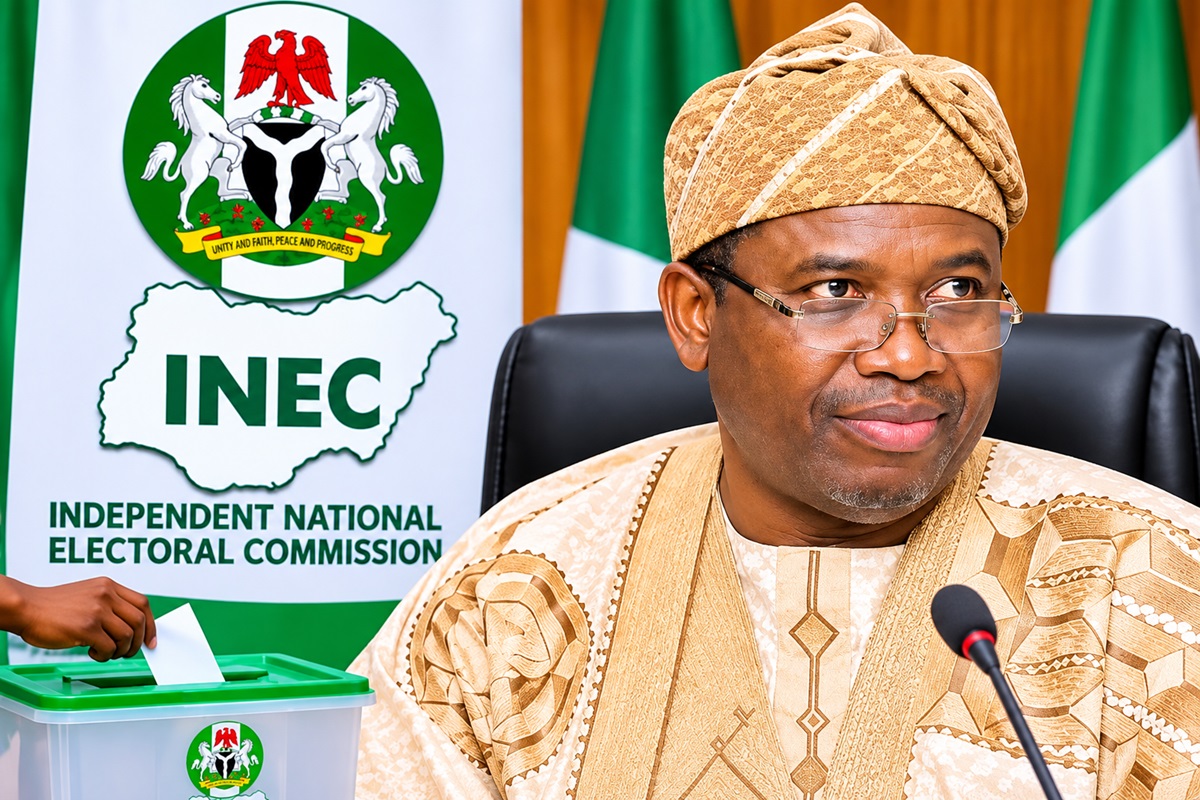
SERAP Gives INEC Seven-Day Ultimatum Over Political Violence
The Socio-Economic Rights and Accountability Project (SERAP) has also called on the Independent National Electoral Commission (INEC) to take immediate action against those responsible for electoral and political violence.
In a letter dated November 14, 2026, the organisation gave the commission seven days to obtain relevant case files and investigation materials from the Nigeria Police Force and prosecute suspects where sufficient evidence exists.
The letter, signed by SERAP’s Deputy Director, Kolawole Oluwadare, followed reports of attacks on political candidates, supporters, campaign gatherings and journalists since the commencement of election campaigns.
SERAP maintained that arrests alone were insufficient to guarantee accountability or prevent further violence, insisting that suspects must be investigated and prosecuted where evidence supports criminal charges.
It urged INEC to press the police to conclude investigations into outstanding cases, arrest suspected perpetrators and their sponsors, and forward relevant evidence to the commission.
The organisation cited provisions of the Electoral Act 2026, particularly Sections 96, 97 and 120, which prohibit the use of force, threats of violence and disorderly conduct intended to disrupt political meetings and electoral activities.
It also referenced Section 148(2), which provides that prosecutions under the Act shall be undertaken by INEC’s legal officers or legal practitioners appointed by the commission.
SERAP further urged INEC to exercise its powers under Section 83 of the Act to demand explanations from political parties suspected of encouraging prohibited conduct and impose prescribed sanctions where appropriate.
The organisation threatened legal action to compel the commission to discharge its statutory responsibilities if it failed to act within the stipulated seven-day period.
Public Confidence in 2027 Elections Declines
Beyond the physical attacks, growing public distrust of the electoral process presents another major challenge to Nigeria’s democracy.
An Afrobarometer survey released on November 11, 2026, found that only 37 per cent of Nigerians expected the 2027 elections to be largely free and fair, while 48 per cent believed they would be neither free nor fair.
The survey also showed that 79 per cent of respondents considered political violence likely during the elections.
Other anticipated electoral abuses included vote-buying, which 89 per cent of respondents considered likely; failure to count valid votes, anticipated by 79 per cent; and political parties and candidates disregarding electoral laws, identified by 78 per cent.
Afrobarometer also reported that 64 per cent of Nigerians said they were likely to vote in 2027, suggesting that despite widespread concerns, a significant proportion of the population still intends to participate in the electoral process.
Background: Nigeria’s Troubled History of Electoral Violence
Political violence has remained a recurring feature of Nigeria’s electoral history, with successive elections characterised by allegations of intimidation, thuggery, ballot snatching, destruction of property and attacks on political opponents.
The 2011 general elections were followed by widespread post-election violence in parts of northern Nigeria, resulting in hundreds of deaths, destruction of property and displacement of residents.
The 2023 general elections were similarly marked by allegations of voter intimidation, attacks on party supporters, disruption of polling activities and violence in some locations.
Nigeria’s return to democratic rule in 1999 raised expectations that political competition would increasingly be determined by policies, public support and the ballot box.
However, the persistence of political thuggery, the use of armed groups and the failure to consistently prosecute electoral offenders have continued to expose weaknesses in the enforcement of electoral laws and the protection of democratic freedoms.
With the presidential and National Assembly elections scheduled for January 16, 2027, and governorship and State Assembly elections scheduled for February 6, 2027, the latest developments have intensified concerns about the country’s preparedness to conduct peaceful and credible polls.
The resurgence of political violence has raised fresh questions about the ability of political parties, security agencies and electoral institutions to guarantee Nigerians the freedom to associate, express political opinions, support candidates and participate in elections without fear.
As the 2027 elections approach, attention is increasingly focused on the implementation of Tinubu’s directive, the enforcement of the IGP’s arrest-and-prosecution order, INEC’s response to reported violations and the prosecution of electoral offenders.
The effectiveness of these measures will be critical to preventing further attacks, protecting political participation and ensuring that the electoral process is not undermined by intimidation and violence.
Felix Ifijeh is a journalist with years of professional reporting experience. Known for his keen news sense, compelling storytelling and commitment to accurate, impactful reporting, he has built a reputation for turning leads into clear, engaging, and well-structured reports that resonate with readers. His work reflects deep newsroom experience and a commitment to accurate, impactful journalism.