
-
Simon Health Initiative urges intensified contact tracing and nationwide surveillance following Nigeria’s reported imported Ebola case.
-
The group calls for better protection of frontline health workers, transparent public updates, and stronger emergency response capacity.
-
Nigeria contained its 2014 Ebola outbreak after recording 20 confirmed cases and eight deaths, highlighting the importance of early intervention.
October 21, (THEWILL) – Simon Health Initiative (SHIAfrica) has called for an urgent, coordinated public health response following the Federal Government’s reported confirmation of an imported case of Ebola Virus Disease (EVD) in Abuja, warning that early intervention is critical to preventing further transmission.
The organisation said 44 contacts had been identified and placed under monitoring by health authorities, stressing the need to intensify contact tracing, strengthen surveillance and ensure effective coordination among federal, state and local health agencies.
In a statement, the Founder and Executive Director of SHIAfrica, Iyanuoluwa Bolarinwa, said Nigeria must act decisively to contain the reported case and prevent a wider public health emergency.

“We do not have the luxury of time. The confirmation of an Ebola case in Nigeria reinforces the importance of acting early rather than reacting late,” Bolarinwa said.
Urging the government to strengthen disease surveillance, support frontline health workers, expand public education and ensure that health authorities at every level are prepared to respond.
According to the organisation, it has been monitoring developments in the Democratic Republic of Congo and Uganda while sharing public health information and amplifying advisories from the Nigeria Centre for Disease Control and Prevention on surveillance, travel screening and outbreak preparedness.
SHIAfrica said the reported case underscores the risk of infectious diseases crossing international borders and the need for effective detection and response systems.
Lessons from Nigeria’s 2014 outbreak
Nigeria’s experience during the 2014 Ebola outbreak demonstrates the importance of rapid intervention and coordinated containment measures.
The virus entered the country in July 2014 when an infected traveller arrived in Lagos from Liberia. Nigeria subsequently recorded 20 confirmed cases and eight deaths before containing the outbreak through contact tracing, isolation, emergency response measures and the work of frontline health professionals.
The World Health Organization later declared Nigeria Ebola-free after the country completed the required 42-day period without a new case.
SHIAfrica paid tribute to the health workers who contributed to the response, particularly Dr Stella Ameyo Adadevoh, whose decision to isolate the index patient despite pressure to release him helped prevent further transmission.
Adadevoh later contracted Ebola and died while serving patients. The organisation described her actions as a lasting example of medical professionalism and public service.
It also highlighted lessons from the outbreak, including the need to improve emergency preparedness, infection prevention and control, rapid diagnosis, healthcare worker protection and public risk communication.
READ ALSO:
Calls for stronger preparedness
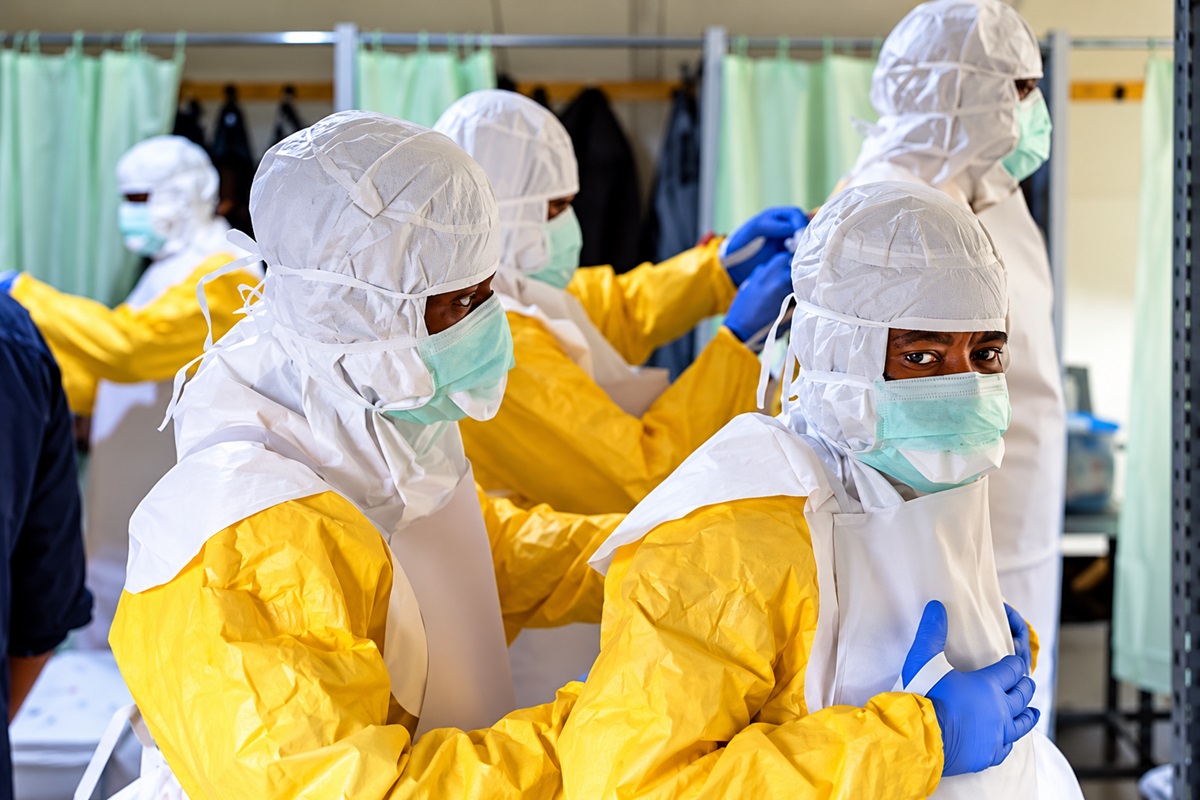 The organisation urged the Federal Government, NCDC, state governments, healthcare institutions and development partners to intensify monitoring of identified contacts and potential exposures, strengthen surveillance at airports, land borders, seaports and health facilities, and ensure that frontline workers have adequate protective equipment, training and support.
It also called for stronger laboratory testing, isolation facilities and emergency response capacity, alongside regular, evidence-based public updates to counter misinformation and public anxiety.
Bolarinwa urged Nigerians to remain calm, rely on verified information from health authorities and cooperate with public health measures.
“The lessons of 2014 showed us that preparedness saves lives, and we must not wait for additional cases before taking decisive action,” she said.
SHIAfrica said it would continue providing public health education and credible information as the response develops.

Ogochukwu Onwaeze is a writer specializing in business and economic journalism. At THEWILL News Media, she translates market trends, financial developments, and policy shifts into clear and engaging stories.
