
-
The SEC has fixed 5:00 p.m. on the first business day after a trade as the settlement deadline for equities and commodities transactions cleared through CSCS.
-
Foreign portfolio investors will not be required to pre-fund trades, but brokers must ensure adequate funding is available within the T+1 settlement window.
-
The clarification is expected to reduce settlement risk, improve liquidity and strengthen the efficiency and competitiveness of Nigeria’s capital market.
August 13, (THEWILL) — The Securities and Exchange Commission (SEC) has fixed 5:00 p.m. on the first business day after a transaction as the settlement deadline for equities and commodities trades cleared and settled through the Central Securities Clearing System (CSCS).
The Commission made the clarification in a public notice issued on August 12, 2026, as part of the implementation of Nigeria’s T+1 settlement cycle.
Under T+1, eligible transactions are settled one business day after the trade date, reducing the time between execution and final settlement. Nigeria commenced the transition to T+1 on June 1, 2026, after previously operating under a T+2 cycle.

What the 5 pm deadline means
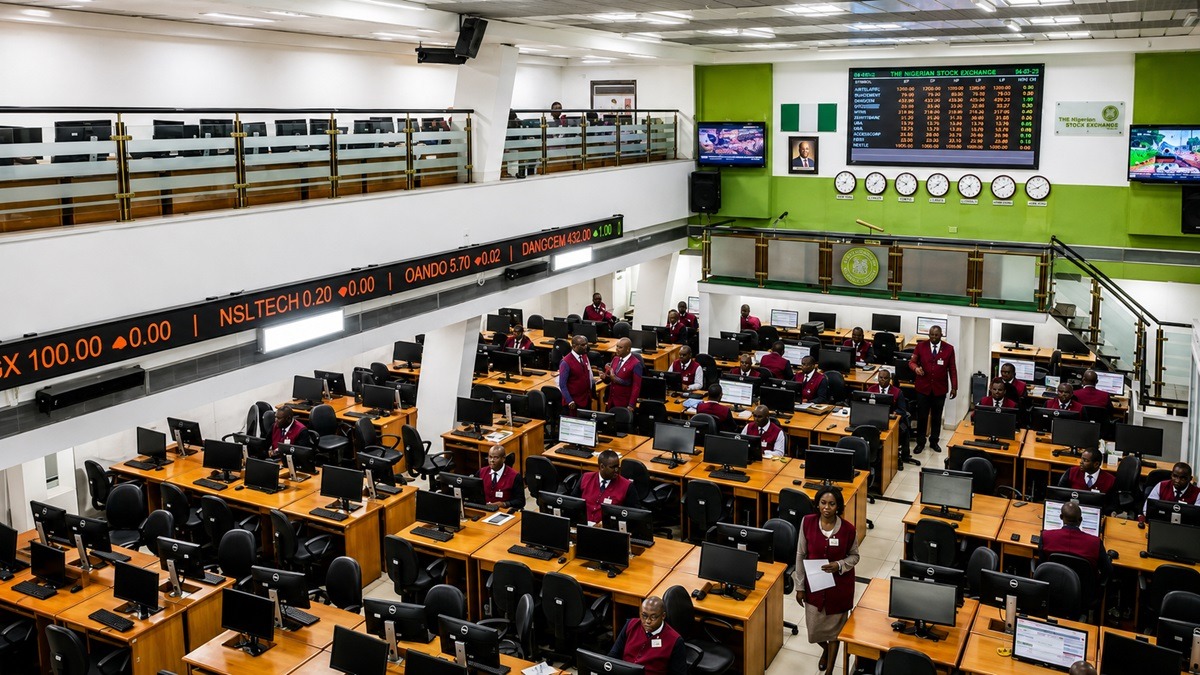
The SEC said transactions covered by the framework must be fully paid at settlement to maintain the standard Delivery versus Payment (DvP) procedure.
DvP requires the transfer of securities and corresponding payment to take place together, helping to limit the risk that one side of a transaction is completed without the other.
The regulator warned that where a broker-dealer’s trading account is not adequately funded to meet its settlement obligation by 5:00 p.m. on T+1, the default will be managed under the CSCS Default Management Procedure and the applicable settlement guidelines of the relevant exchange.
The clarification therefore gives brokers and other market participants a specific cut-off time for completing their settlement obligations under the new cycle.
READ ALSONigeria’s SEC Commences T+2 Settlement Cycle November 28
Foreign investors do not need to pre-fund
The SEC also clarified that foreign portfolio investors are not required to pre-fund their accounts before executing trades in Nigeria’s capital market.
However, capital market operators handling transactions for foreign portfolio investors must establish appropriate controls and processes to ensure that funds are available and settlements are completed within the prescribed timeframe.
The clarification is particularly relevant to international investors because it confirms that the move to T+1 does not introduce a mandatory pre-funding requirement for their trades.
READ ALSO: NGX Emerges Africa’s Second-Best Performing Stock Market With 47.4 Percent H1 Return
Why T+1 matters
The shorter settlement cycle is intended to reduce the period during which buyers, sellers and intermediaries remain exposed to counterparty risk.
The SEC said the reform would improve settlement efficiency, reduce counterparty exposure, enhance liquidity and strengthen the competitiveness of Nigeria’s capital market. It also expects the framework to improve the attractiveness of the market to domestic and international investors.
The latest clarification follows the SEC’s earlier circulars on the implementation of T+2, issued in June 2025, and the transition to T+1, issued in May 2026.
With the transition already in effect, the new notice mainly removes uncertainty around the precise settlement deadline and the responsibilities of brokers and other market operators.
For investors, the practical implication is straightforward: eligible trades must now move through the settlement process within the T+1 window, with 5:00 p.m. serving as the prescribed deadline for settlement.

Ogochukwu Onwaeze is a writer specializing in business and economic journalism. At THEWILL News Media, she translates market trends, financial developments, and policy shifts into clear and engaging stories.
