
-
Kenya’s President William Ruto has ordered foreigners operating small-scale businesses to shut down starting next week, saying local traders and hawkers must be protected from competition.
-
Ruto said the government would fast-track legislation restricting foreigners from certain areas of trade, while urging foreign investors to focus on creating jobs and expanding production.
-
The move comes amid growing tensions over foreign participation in Kenya’s informal economy and wider concerns about xenophobia and treatment of African migrants across the continent.
September 03, (THEWILL) — Kenya is moving to restrict foreign nationals from operating small-scale businesses as President William Ruto seeks to protect local traders and hawkers from growing competition in the informal economy.
Ruto announced the directive during an address to small-scale traders at State House in Nairobi, saying foreigners engaged in such businesses should shut them down from next week.
He also pledged to fast-track proposed legislation that would prevent foreigners from operating in certain areas of trade.

Protecting Local Traders
Ruto said Kenya remained open to foreign investment but argued that foreign investors should contribute to the economy through larger businesses, job creation and increased production rather than compete with Kenyans in small-scale trading.
The president specifically referenced Chinese traders, questioning why foreign nationals would come to Kenya to operate as hawkers or run small shops.
His comments come as Kenya’s informal economy continues to attract migrants from across the region, including citizens of other East African countries.
Some migrants have moved to Kenya because of economic hardship or conflict in their home countries, while the East African Community’s relatively free movement framework has facilitated movement within the eight-member regional bloc.
However, the increasing participation of foreign nationals in small businesses has generated tensions with local traders and workers who argue that migrants are competing for limited jobs, customers, and commercial opportunities.
Rising Tensions
The debate intensified in July after a video showed a Kenyan man confronting a Burundian trader in Nairobi and accusing him of taking opportunities from locals.
The incident attracted widespread criticism and prompted Fred Ngoga, an expert in regional conflict prevention from Burundi, to call for the protection of Burundian citizens in Kenya.
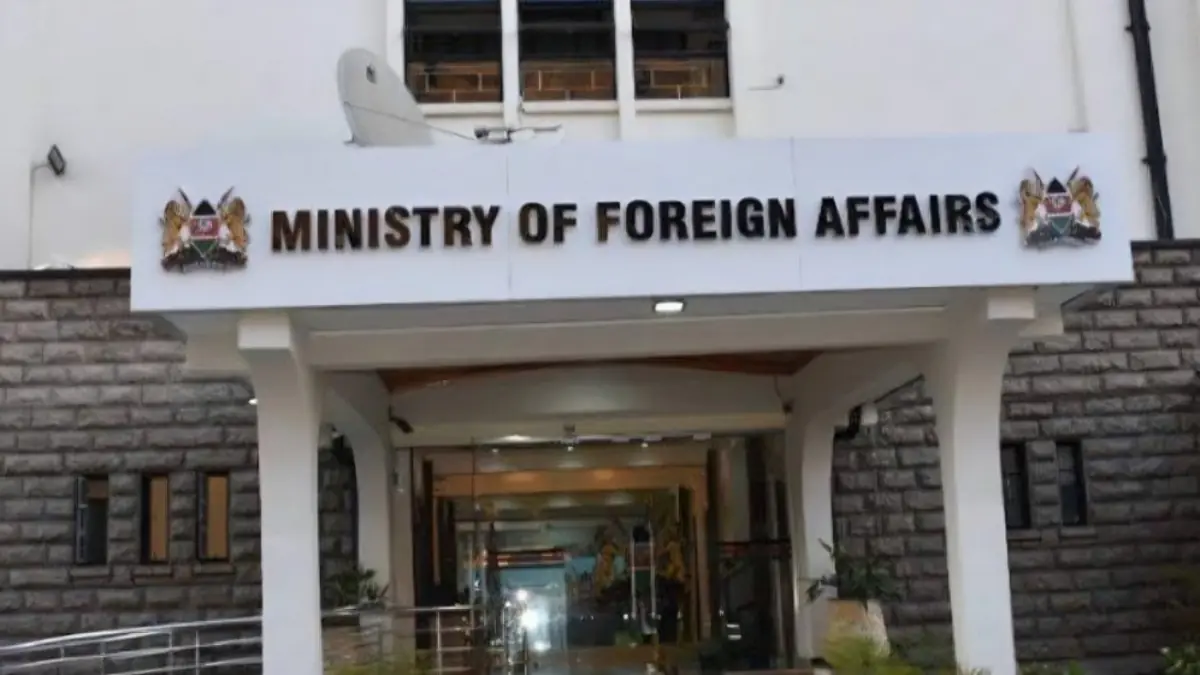
Kenya’s foreign ministry subsequently sought to reassure Burundians and other East Africans living in the country, stressing the generally welcoming relationship between Kenyans and their regional neighbours.
The latest directive could therefore create tensions between Kenya’s efforts to protect domestic traders and its position as a regional economic hub.
READ ALSO:
Investment Versus Informal Competition
Ruto’s position draws a distinction between foreign investment that expands economic capacity and foreign participation in small-scale commerce.
His administration is effectively pushing for foreign capital to generate employment and production while seeking to reserve sections of the informal economy for Kenyan citizens.
The policy also comes amid wider concerns over treatment of migrants across Africa.
South Africa has experienced protests over undocumented migrants this year, while tens of thousands of Africans have voluntarily returned to their home countries, with some citing intimidation and attacks.
For Kenya, the challenge will be balancing protection of local businesses with its reputation as an open regional market, particularly as restrictions on foreign participation in small-scale trade could affect businesses operated by nationals from neighbouring countries.
The policy is expected to remain controversial as the government moves to translate Ruto’s directive into legislation and define which categories of trade will be restricted to Kenyan citizens.

Ogochukwu Onwaeze is a writer specializing in business and economic journalism. At THEWILL News Media, she translates market trends, financial developments, and policy shifts into clear and engaging stories.
