
-
Lionel Messi’s emotional Argentina farewell has brought another chapter of his extraordinary international career to a close, while Cristiano Ronaldo’s future with Portugal remains uncertain.
-
Kylian Mbappé, Erling Haaland and Lamine Yamal have already established themselves among football’s biggest names, but replacing Messi and Ronaldo means more than matching their numbers.
-
Vinícius Jr., Jude Bellingham and a growing group of young stars are also competing to become the faces of football’s next generation.
-
The next era may not produce another Messi-Ronaldo rivalry. Instead, football could enter a more international age dominated by several superstars at once.
October 8, (THEWILL) – For almost two decades, football had two faces.
Lionel Messi represented one side of the argument, Cristiano Ronaldo the other. Their rivalry stretched across Barcelona and Real Madrid, La Liga, the Champions League, international football and the Ballon d’Or, creating a sporting conversation that rarely needed anyone else. Even when one player was not competing for a particular trophy, the question of where he stood against the other remained impossible to escape.
That era is now moving towards its final chapter.

Messi, 39, made his final appearance for Argentina in the 3-0 victory over Benin on October 6, bringing an emotional end to a 21-year international career. More than 85,000 supporters watched at the Monumental as the eight-time Ballon d’Or winner scored and provided two assists in what became a celebration of one of the greatest international careers in football history.
Ronaldo, meanwhile, is 41 and his own international future has become increasingly uncertain. Portugal remains part of his story, but the possibility of his international career reaching its conclusion means football is preparing for something it has not experienced for years: a world without either Messi or Ronaldo occupying the centre of the conversation.
The obvious question is what comes next.
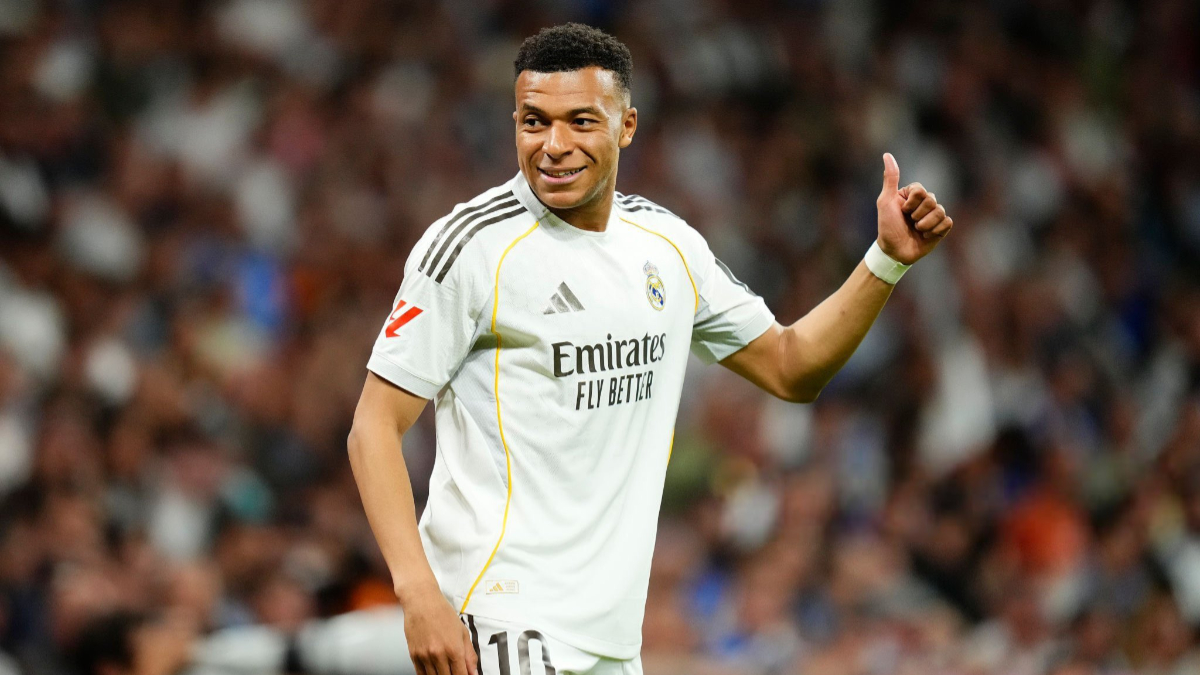
Mbappé Has the Credentials
If football needed to identify the most obvious candidate to inherit the spotlight, Kylian Mbappé would be near the front of the queue.
The French forward has already achieved what most players spend their entire careers chasing. He is a World Cup winner, a World Cup Golden Boot winner and one of Real Madrid’s most important attacking players. His combination of speed, finishing, personality and global recognition gives him the profile required to become more than simply another elite footballer.
His 2026 numbers have only strengthened that argument. Mbappé was among the leading contenders for the 2026 Ballon d’Or after a prolific campaign with Real Madrid and France, while his World Cup performances further enhanced his reputation on the biggest stage. He finished the tournament as the Golden Boot winner and continues to build a statistical record that puts him among the game’s elite.
But there is a distinction between being one of football’s best players and becoming the player around whom football’s culture revolves.
Messi and Ronaldo did not simply win trophies. They became the central characters of an entire sporting generation. Mbappé has the platform, but sustaining it for another decade is the challenge.
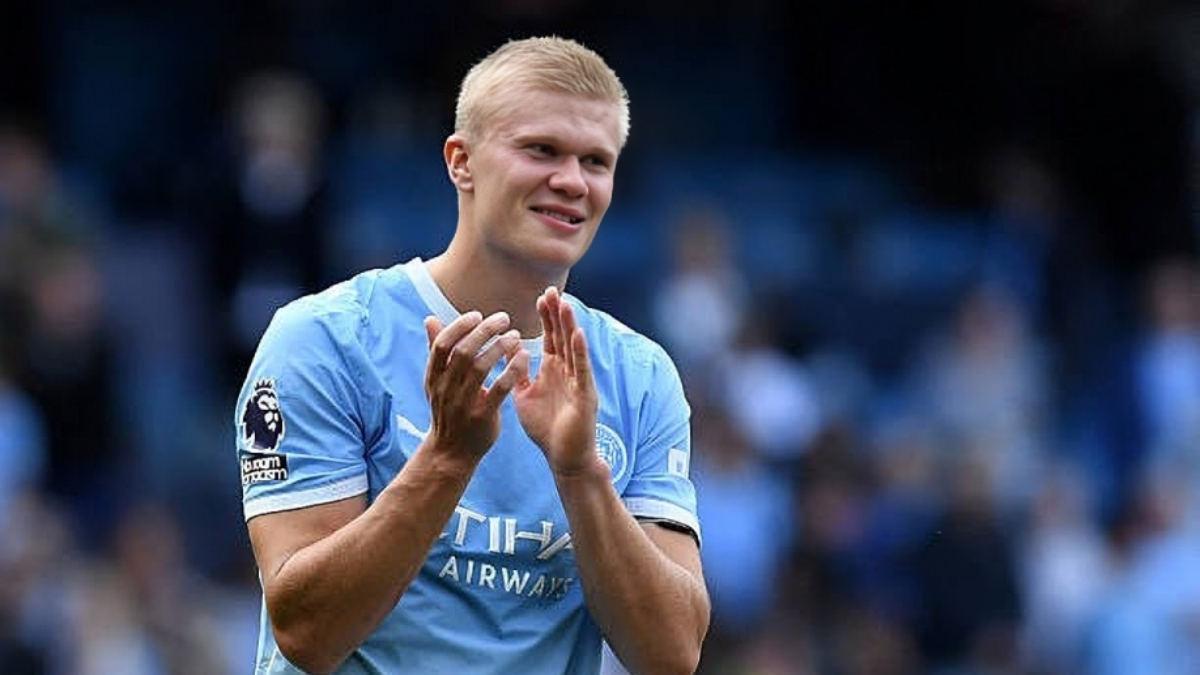
Haaland Offers Different Kind Of Stardom
Erling Haaland’s case is different.
Where Messi’s brilliance often appeared effortless, and Ronaldo combined athleticism with relentless self-improvement, Haaland has built his reputation around something brutally simple: goals.
The Norwegian striker has developed into one of the most devastating finishers in world football. His size, speed, positioning and ruthless efficiency have made him a nightmare for defenders and a statistical machine for Manchester City and Norway.
His 2026 season further underlined his importance. Haaland was included among the leading names on the 2026 Ballon d’Or shortlist after another prolific campaign, while his performances for Norway at the World Cup added another major international chapter to his career. Reuters reported that Haaland scored 58 goals for club and country during the season.
Yet Haaland faces a different question from Mbappé.
Can goals alone create the same cultural phenomenon?
Messi and Ronaldo had extraordinary numbers, but their appeal extended far beyond them. They developed identities that supporters either loved, defended, criticised or wanted to imitate. Haaland’s personality is increasingly part of his appeal, but his challenge is turning statistical dominance into the kind of emotional connection that makes a player impossible to ignore.
READ ALSO:
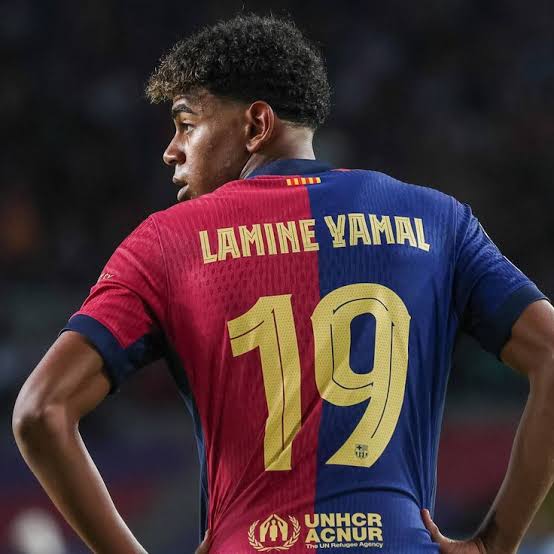
Then Comes Lamine Yamal
Perhaps the most fascinating name in the conversation is Lamine Yamal.
At an age when most footballers are still trying to establish themselves, Yamal has already become one of Barcelona and Spain’s defining attacking players. His rise has been so rapid that comparisons with Messi have followed him almost from the beginning.
That comparison can be both a compliment and a burden.
Yamal has already won Euro 2024 with Spain and emerged as one of the most exciting young players in world football. His performances have also translated into remarkable production: he finished the 2025-26 season with 41 goal contributions for Barcelona, according to Opta data reported during the 2026 Ballon d’Or conversation.
What makes Yamal particularly intriguing is that he does not appear to be trying to become another Messi.
His game has its own personality. The dribbling, creativity, willingness to attack defenders and confidence in possession have made him one of the most watchable players of his generation.
At 19, however, the biggest challenge is not proving that he can become a superstar. It is maintaining that level long enough to turn extraordinary potential into a defining career.

Vinícius Jr. and Bellingham Cannot Be Ignored
The conversation would be incomplete without Vinícius Jr. and Jude Bellingham.
Vinícius has already established himself as one of Real Madrid’s most influential attackers. His explosiveness, creativity and ability to perform in major matches have given him the kind of platform from which global superstardom can grow. Real Madrid’s 2026 figures listed 22 goals and nine assists for the Brazilian during the campaign.
Bellingham represents another version of the modern superstar.
He is not defined simply by goals. His influence comes through his ability to control games from midfield, arrive in dangerous areas and combine technical quality with physical strength. At Real Madrid and with England, he has already become a high-profile figure despite still being in the early stages of his career.
Both players demonstrate an important point: football’s next superstar may not necessarily emerge from the same mould as Messi or Ronaldo.
Next Era May Not Have Two Kings
This could be the biggest difference between the football of the past 20 years and what comes next.
Messi and Ronaldo created an almost unique sporting binary. Supporters could argue over who was better, while the numbers, trophies and individual awards provided endless fuel for the debate.
The next generation is more crowded.
Mbappé has the World Cup pedigree. Haaland has the goals. Yamal has extraordinary youth and creativity. Vinícius has already delivered on the biggest club stage. Bellingham has the versatility and profile to remain at the top for years.
The 2026 Ballon d’Or shortlist reflects that broader landscape. Messi remains among the nominees, while Ronaldo is absent, and the next generation is represented by players including Mbappé, Haaland, Yamal and Bellingham.
That suggests football may not be searching for another Messi-Ronaldo rivalry at all.
It may be entering an era in which several players compete simultaneously for the throne.
This is where the comparison becomes difficult.
Replacing Messi and Ronaldo statistically is one thing. Replacing what they meant to football is another.
Messi became synonymous with Barcelona, Argentina and a style of football that inspired generations of players. Ronaldo became a global symbol of ambition, athleticism and self-belief. Their rivalry crossed sporting boundaries and became part of popular culture.
Young players grew up choosing between them.
Children wore their shirts. Supporters argued about them in homes, schools, workplaces and online. Every Champions League knockout round created another opportunity to compare their performances. Every Ballon d’Or ceremony became another chapter in the debate.
That kind of cultural dominance cannot simply be manufactured.
Mbappé, Haaland, Yamal and the others have the opportunity to create their own legacy, but they should not be judged solely by whether they can become the next Messi or Ronaldo.
Football needs new stories rather than carbon copies of old ones.
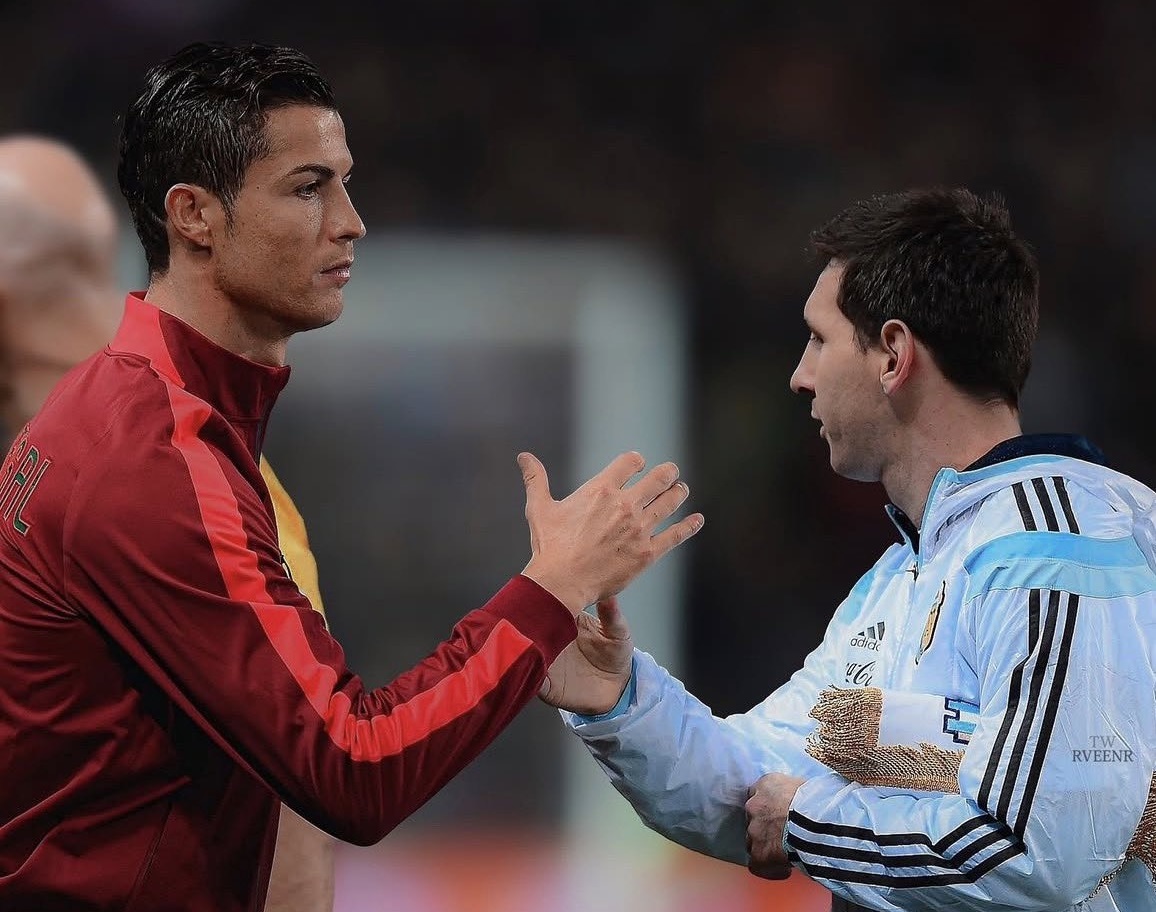
A New Generation, A Different Football World
The global football landscape has also changed.
Social media has made players more accessible than ever, allowing personalities to build huge audiences without relying entirely on traditional television coverage. Football’s commercial centre remains heavily European, but its audience is increasingly global, with players from Africa, Asia, North America and South America becoming increasingly important to the sport’s commercial and cultural reach.
That means the next superstar could potentially have an even larger global platform than Messi and Ronaldo had.
The question is whether any player can sustain that attention for 15 or 20 years.
That is the standard Messi and Ronaldo have set.
They did not dominate for one season or one tournament. They remained relevant through different generations of teammates, managers, competitions and footballing trends. That consistency is arguably the hardest part of their legacy to reproduce.
Messi’s farewell with Argentina has made the transition feel real. Ronaldo’s uncertain international future only reinforces it.
Football will continue without them, just as it continued before them.
But it will not feel the same.
Mbappé, Haaland, Yamal, Vinícius Jr. and Bellingham already have the talent, trophies and global platforms to become the defining names of the next generation. Some may win multiple Ballon d’Or awards. Some may become World Cup heroes. Others may emerge from a completely different group of young players currently waiting for their opportunity.
What seems increasingly clear is that football is not going to have another Messi and Ronaldo era simply by finding two players with similar numbers.
The next chapter will have to be written differently.
Messi and Ronaldo spent nearly two decades making football feel like a conversation between two superstars.
The generation coming after them may make it a conversation between five, six or even more.
And that may be the beginning of football’s next great era.

Olumide Atiba is a sports journalist with THEWILL, known for his keen news sense and compelling storytelling. He has built a reputation for turning leads into clear, well-structured reports that resonate with readers, with a strong focus on football coverage