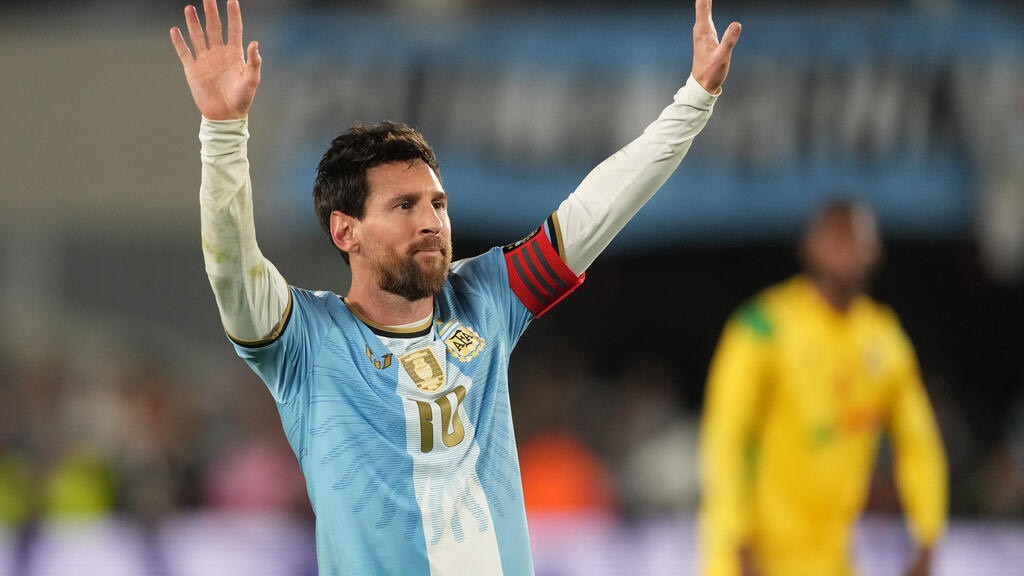
October 07, (THEWILL) – What an era! What a player! What a legend! What a man! What a beauty to behold!
There are footballers who play the game; there are the ones who win games, and then there are those rare ones who make you stop whatever you are doing because something extraordinary is happening in front of you.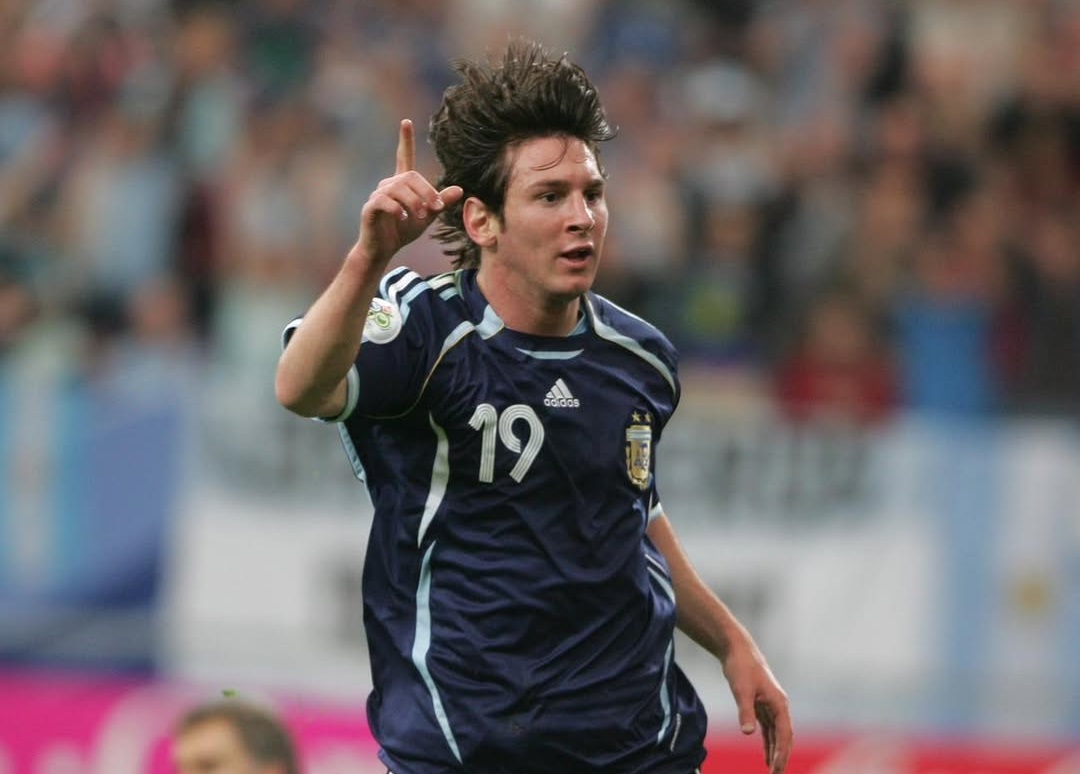
Lionel Andrés Araoluwa Chibuzor Messi was that footballer.

The little boy from Rosario has finally said goodbye to Argentina. And somehow, after more than two decades of watching him bend football to his will, it still feels impossible to say goodbye.
Messi did not just play football. He painted it.
Every touch was a brushstroke, every dribble added colour to the canvas, every through-ball seemed to come from a place only he could see, and when he picked up the ball, defenders did not just have a problem to solve; they had a piece of art to somehow steal.
His international story, however, was not always this beautiful.
For years, Messi carried the weight of an entire football nation on his back. He was compared relentlessly with Diego Armando Maradona; he was criticised for not delivering with Argentina despite doing things with Barcelona that seemed almost supernatural.
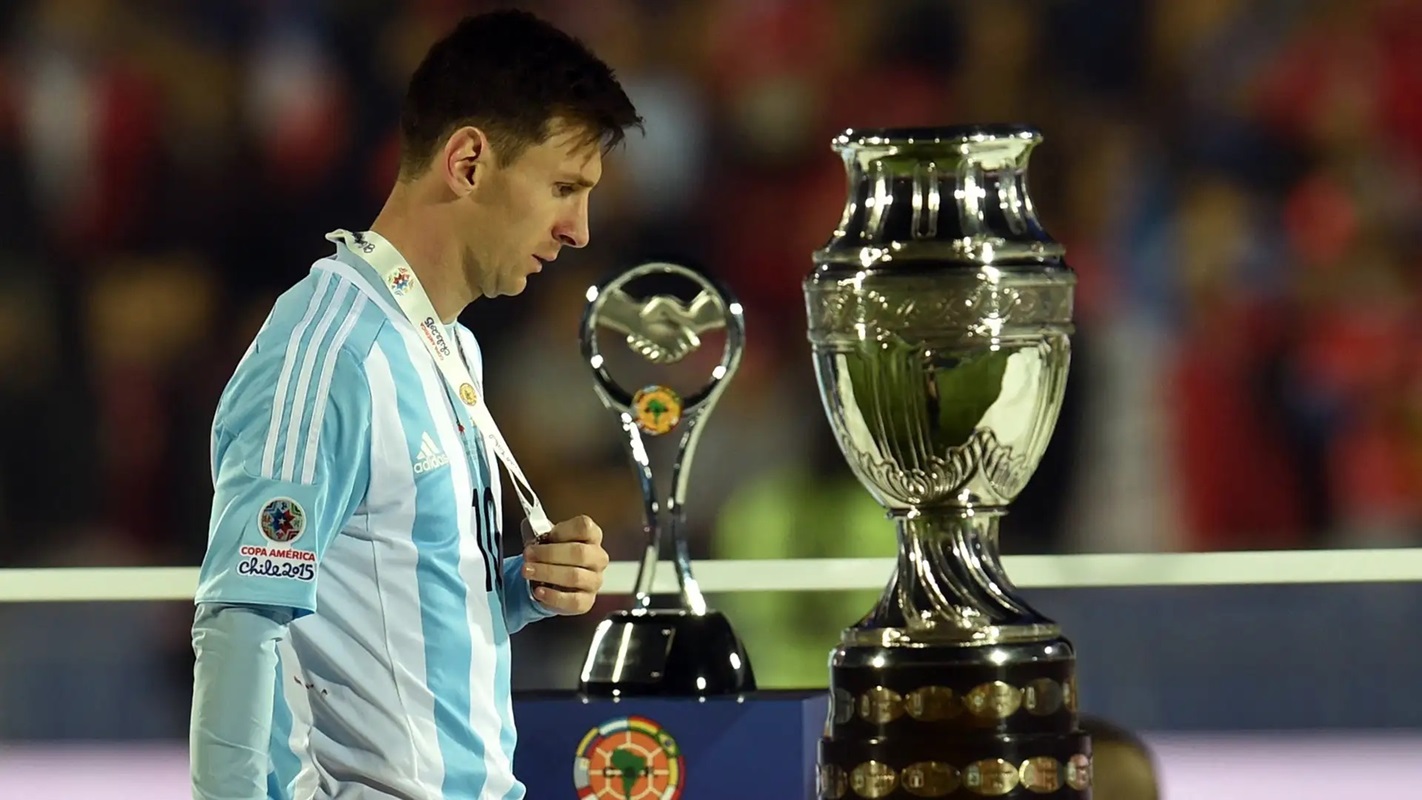
He lost the Copa América finals. He lost the 2014 World Cup final. He even temporarily walked away from international football in 2016. Then everything changed.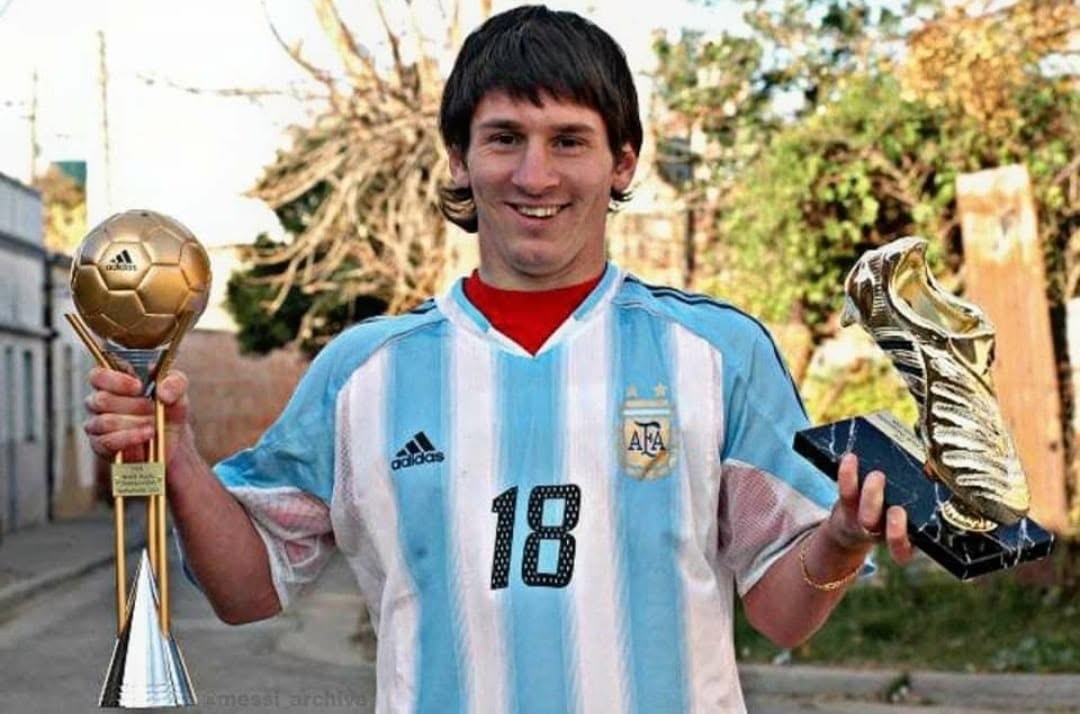
The same player once accused of not doing enough for Argentina became the captain who delivered the 2021 Copa América, the 2022 Finalissima, the 2022 World Cup and the 2024 Copa América.
And if anybody thought age would finally catch him, Messi had another joke to tell.
At 39, he went to the 2026 World Cup and scored eight goals, helping Argentina reach another World Cup final. He eventually finished his Argentina career with 207 official appearances, 125 goals and 66 assists.
Think about that for a moment.
125 goals for Argentina.
Six World Cup appearances.
39 Copa América appearances: More than anybody else in the history of the competition.
Two Copa América titles.
A World Cup.
 His final night against Benin somehow felt like the perfect closing scene. At the Monumental, in front of more than 85,000 people, Messi scored and created two more goals in a 3-0 victory. Twenty-one years after his complicated international debut, the story ended with the same man still doing what he had always done: creating moments.
But perhaps the greatest thing about Messi’s career is that statistics still struggle to explain him.
How do you quantify a player who could receive the ball 40 yards from goal and make 80,000 people lean forward at exactly the same time?
How do you measure the feeling of watching him glide past three, four, five, six defenders? How do you put a number on the pass you never saw coming?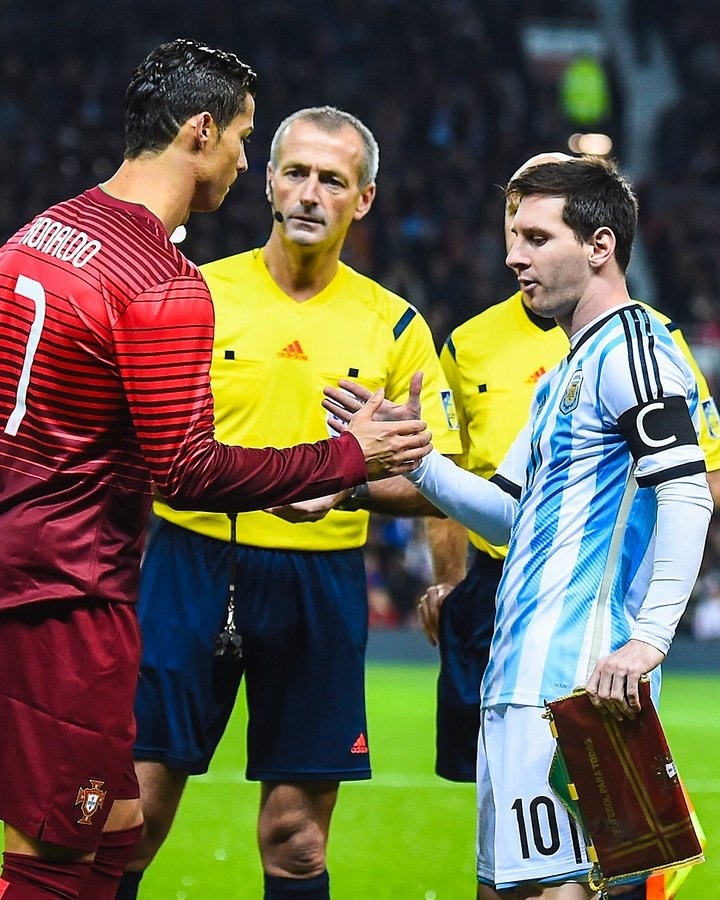
Football became different when Messi played it. And perhaps that is why his story cannot be told without mentioning the other man who occupied this extraordinary era with him – Cristiano Olorunosebi Wasiu Ronaldo.
For nearly two decades, football had something almost unfairly beautiful: two extraordinary players pushing each other to places nobody thought possible. Messi with his imagination, balance, vision and effortless manipulation of the ball. Ronaldo with his athleticism, hunger, power, aerial ability and almost frightening obsession with improvement.
They gave us arguments.
They gave us records.
They gave us Champions League nights, Clasicos, Ballon d’Or debates, impossible goals and endless conversations about who was better.
But perhaps, now that Messi has closed his international chapter, we should stop asking which one we were supposed to choose.
We got to watch both. That is the privilege.
READ ALSO:
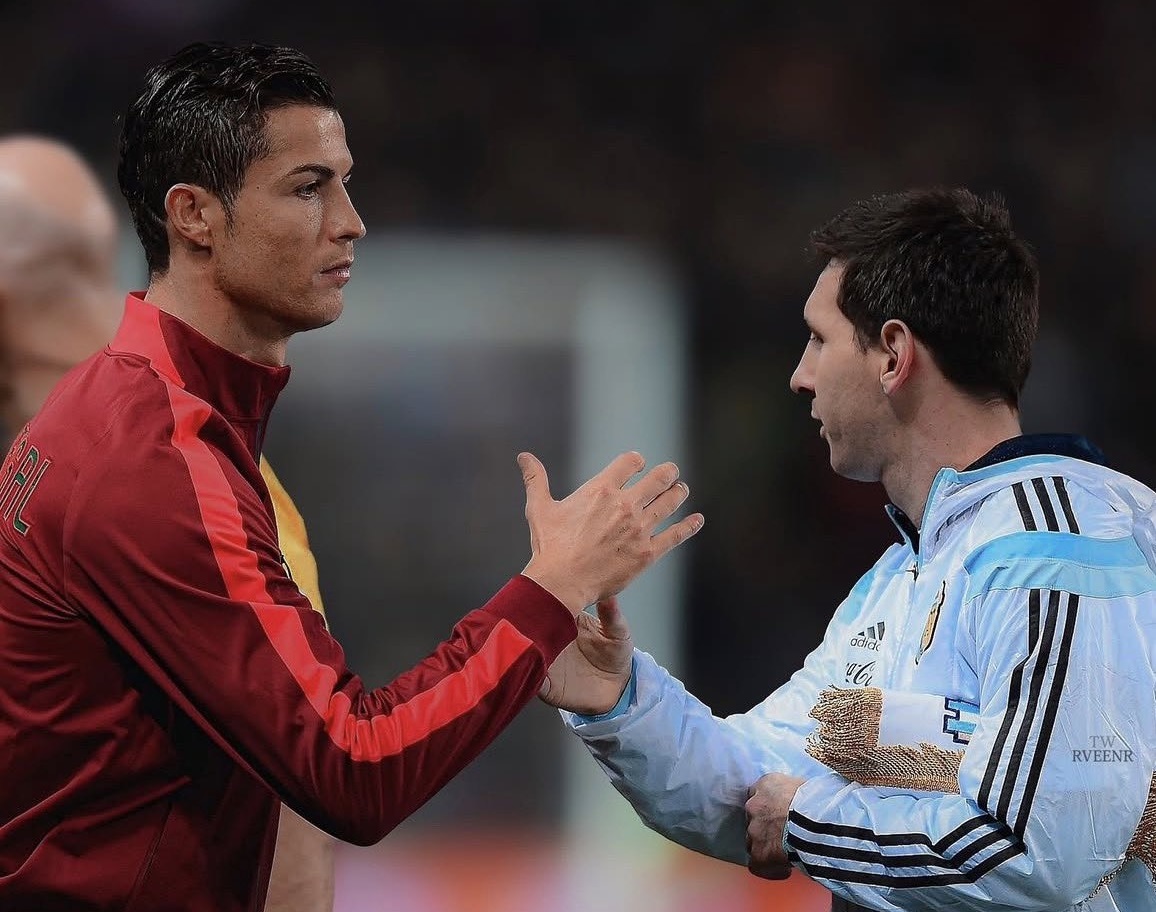
One came from Rosario, the other from Madeira. One seemed to dance through defenders. The other seemed determined to overpower them. Different philosophies. Different personalities. Different ways of making football beautiful.
And now, slowly, the curtain is coming down on their era.
Messi’s Argentina story is over. Ronaldo’s Portugal story is moving towards its own conclusion. The generation that grew up watching these two redefine what was possible will eventually have to explain to the next generation what it was like to witness them live.
And perhaps that is where I am reminded of a verse.
Odysseus said: “When they ask what I did here, tell them I lived in the time of Hector, tamer of horses. Tell them I lived in the time of Achilles.”
For us football lovers, perhaps one day the question will be simpler: “Where were you when Messi and Ronaldo were playing?”
And we will smile. We will tell them we lived in the time of Messi – the “imessionate” Rosario magician who made grown men lie in green pastures; and Ronaldo – the “Ororo” warrior from Madeira who took everyone prisoner.
We lived in the time when two men turned football into something more than a game.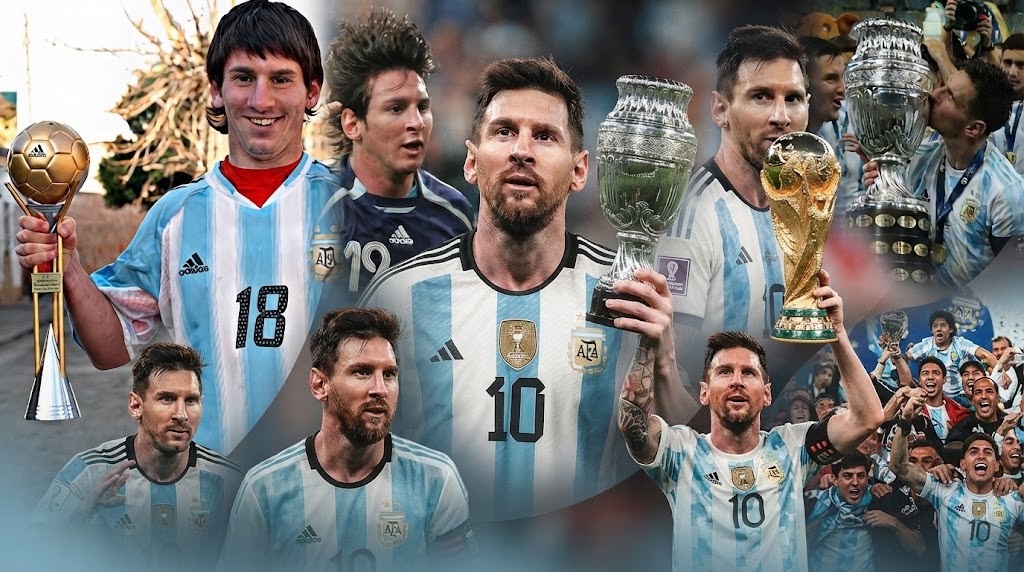
Thank you, Lionel Andrés Messi.
Thank you for the goals.
Thank you for the passes.
Thank you for the madness.
Thank you for the memories.
Thank you for the beautiful game.
Thank you for making football look like something only an artist could create.
What an era. What a player. What a legend.