
-
The Nigeria Labour Congress says the proposed concession of King’s College, Lagos, could undermine the government’s responsibility for public secondary education and create a model for transferring other Federal Unity Colleges to external organisations.
-
NLC President Joe Ajaero cautions that if the King’s College arrangement succeeds, other Unity Colleges could subsequently be concessioned to organisations whose capacity to manage public secondary education may not be adequately established.
-
The NLC says concessioning public schools could eventually result in new fees and tariffs, potentially making prestigious government-owned institutions less accessible to children from average-income families.
-
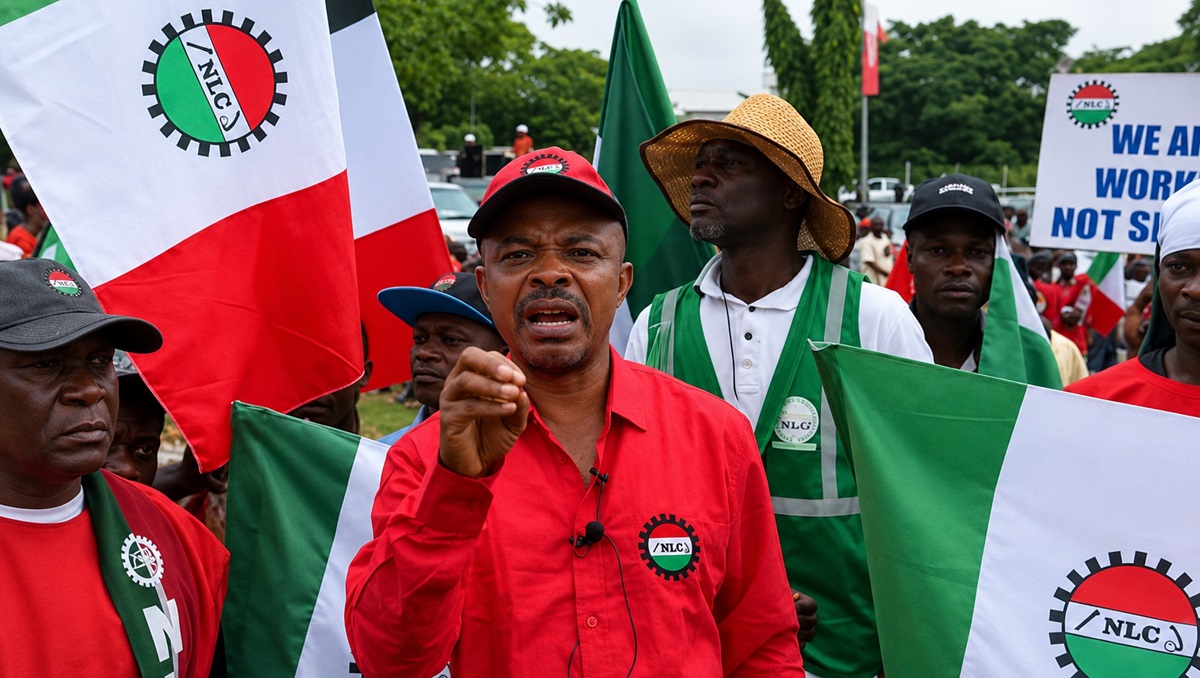
The labour centre backs protests against the concession and calls on the Federal Government to adequately fund, maintain and manage the Unity Colleges, citing their contribution to national unity and quality education.
September 21, (THEWILL) – The Nigeria Labour Congress (NLC) has opposed the proposed concession of King’s College, Lagos, and other Federal Unity Colleges, warning that the development could threaten the future of public secondary education and establish a precedent for transferring government-owned schools to external entities.
NLC President, Joe Ajaero, stated this in a statement issued on Sunday, amid growing concerns over the proposed concession and the future management of the prestigious secondary school.
Ajaero said the development had generated protests and concerns from various stakeholders who fear that concessioning government-owned secondary schools could gradually weaken the role of the state in providing accessible and affordable education.

He said the concerns surrounding King’s College were understandable, given what he described as years of neglect, underfunding, corruption, indiscipline and deteriorating services.
According to him, the initiative by the King’s College Old Boys’ Association was motivated by a genuine desire to restore the institution to its former standard.
He, however, warned that despite the intention behind the initiative, the proposed arrangement could have wider consequences for Nigeria’s public secondary education system.
“However, buried in this noble initiative lurks grave danger for our secondary school education under the superintendency of government”, Ajaero stated.
Precedent For Other Unity Colleges
Ajaero said the NLC was particularly concerned that the concession of King’s College could become a precedent for similar arrangements involving other Federal Unity Colleges.
He argued that if the government allows the old boys of King’s College to assume responsibility for the institution, other Unity Colleges could subsequently be handed over to different organisations.
“Once the King’s College Old Boys’ initiative succeeds, relying on precedent, other Unity Colleges will be concessioned to nebulous entities”, he said.
The NLC president warned that some of the organisations that might seek to take over such institutions could lack the capacity, experience or resources required to effectively manage secondary education.
He said the government should instead strengthen its existing public education structures through proper funding, supervision and management.
NLC Raises Concern Over School Fees
 The labour centre also expressed concern that concessioning public schools could eventually lead to the introduction of additional fees and tariffs.
Ajaero warned that such charges could make some government-owned schools increasingly inaccessible to students from average-income families.
He maintained that providing education to citizens remains a fundamental responsibility of government and should not be abandoned because of funding or management challenges.
“Yet, the obligation to educate its citizenry resides with the State. It is a duty it cannot abdicate”, he noted.
Ajaero recalled that government had previously taken over schools established and managed by missionary organisations, arguing that it should therefore continue to bear responsibility for the institutions under its control.
He also questioned why Nigeria could not continue to fund public schools when governments in developed countries continue to finance schools and universities.
“Even in advanced economies, there are quite a number of schools, including universities, that are funded by government. Why would our case be different?” he asked.
READ ALSO:
Labour Backs Protests
Ajaero said the NLC endorsed protests against the concession of King’s College and other Federal Unity Colleges. He urged the Federal Government to adequately fund and maintain the institutions while ensuring effective management and accountability.
According to him, the Unity Colleges have played important roles in promoting national unity and providing quality education to generations of Nigerians.
He said the historical contribution of the institutions to national development could not be quantified, adding that government should preserve them rather than gradually withdraw from their management and funding.
“Rather than sell the schools through the back door, government should maintain or sustain the culture of open competition between missionary schools, private schools and government schools”, he said.
Background
King’s College, Lagos, is one of Nigeria’s oldest and most prominent secondary schools. Established in 1909, the institution has produced generations of Nigerians who have contributed to the country’s public service, business, academia, professions and other sectors.
Like several public schools across the country, King’s College has faced challenges relating to infrastructure, funding, maintenance and the provision of modern facilities.
The King’s College Old Boys’ Association subsequently sought greater involvement in the rehabilitation and management of the institution, with the Federal Government approving a concession arrangement intended to attract additional resources to the school.
The proposal, however, has triggered opposition from sections of the school community, workers and organised labour.
Critics of the arrangement have raised concerns over the implications of concessioning a government-owned school and whether such a model could eventually be extended to other Federal Unity Colleges.
The Federal Government has maintained that the arrangement does not amount to the sale of King’s College and that government ownership and regulatory oversight would remain intact. The government has also argued that the concession is intended to mobilise resources for the rehabilitation and modernisation of the institution while addressing infrastructure and management challenges.
The controversy has therefore centred on how to reconcile the government’s responsibility for public education with the need to attract additional funding and expertise to improve public schools.
For the NLC, however, concessioning is not the appropriate solution. Ajaero maintained that government should continue to fund and manage the Federal Unity Colleges, while improving accountability and ensuring that the institutions receive the resources required to provide quality education.
He called for the preservation of the Unity Colleges and their role in national development, insisting that government should not abdicate its responsibility for public education.
Ajaero concluded by questioning whether the adoption of a market economy should necessarily mean that government must surrender responsibility for public institutions.
“Finally, even as we run a market economy, what will be too sacred for government to concede?” he asked.

Felix Ifijeh is a journalist with years of professional reporting experience. Known for his keen news sense, compelling storytelling and commitment to accurate, impactful reporting, he has built a reputation for turning leads into clear, engaging, and well-structured reports that resonate with readers. His work reflects deep newsroom experience and a commitment to accurate, impactful journalism.