
-
NLC insists the Federal Government must begin negotiations for a new minimum wage before its October 24 ultimatum expires.
-
Labour demands immediate wage awards, tax relief and lower petrol prices to ease workers’ financial pressure.
-
FG says the current minimum wage is not due for review until June 2027 under the existing law.
October 22, (THEWILL) – The Nigeria Labour Congress has insisted that the Federal Government begin negotiations for a new national minimum wage before its October 24 ultimatum expires, setting up a potential dispute over the timing of the next wage review.
The union said it would not withdraw its ultimatum and would consult its organs to determine its next steps if the government failed to meet its demands.
A senior NLC official, who spoke on condition of anonymity, said the union remained concerned about the pressure of rising living costs on Nigerian workers.

“We have made our demands to the Federal Government very clear. They have all the time to do the needful”, the official said.
The official added that the union would not take its next decision unilaterally but would consult its leadership structures after the two-week ultimatum.
The NLC issued the ultimatum in a statement signed by its president, Joe Ajaero, on October 16, demanding that the government initiate negotiations for a new national minimum wage.
FG Insists Review Is Due In 2027
The demand has met resistance from the Federal Government, which maintains that the next minimum wage review is due on June 1, 2027.
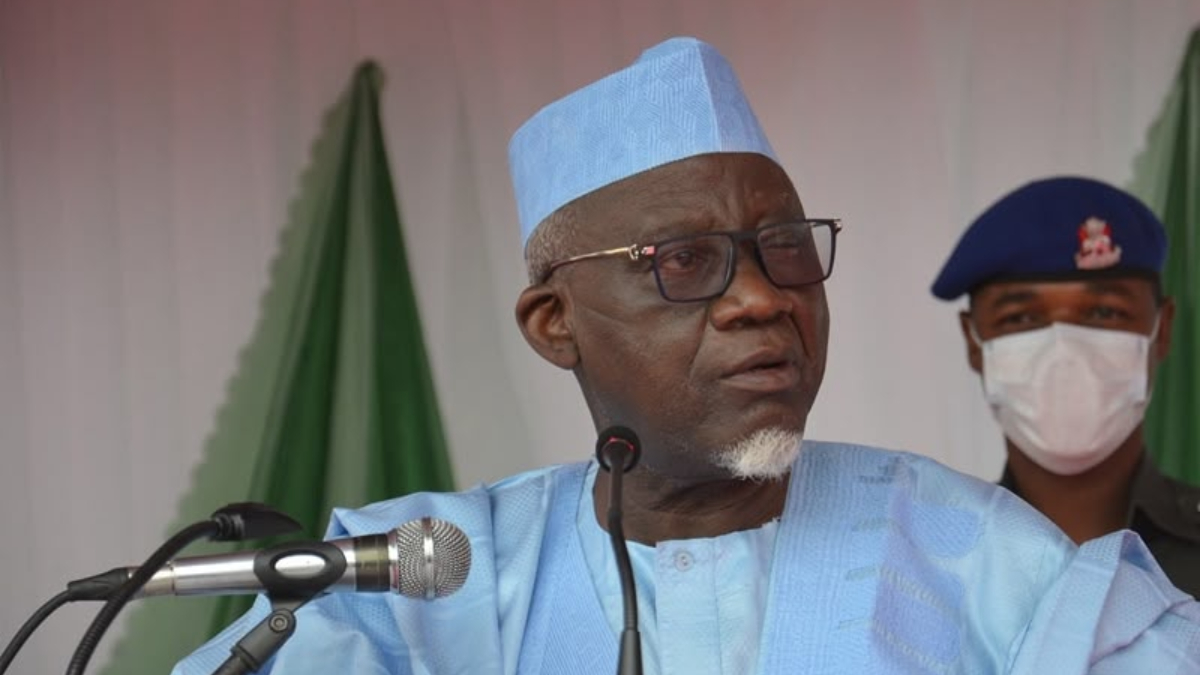
The Minister of Labour and Employment, Maigari Dingyadi, said President Bola Tinubu signed the National Minimum Wage (Amendment) Act in July 2024 after negotiations involving the government, organised labour and other stakeholders.
Dingyadi argued that reopening negotiations barely two years into implementation of the current wage would be premature and inconsistent with the existing legal framework.
He noted that the 2024 minimum wage represented an increase of more than 133 per cent over the previous ₦30,000 monthly minimum wage.
The minister said the government was aware of workers’ economic difficulties and cited the implementation of the current minimum wage, efforts to secure compliance by state governments and private-sector employers, and measures intended to reduce the cost-of-living burden.
These include the Presidential Compressed Natural Gas Initiative, food security interventions and social support programmes.
He added that the ministry was engaging relevant ministries, departments and agencies on the NLC’s other demands, while maintaining that the National Minimum Wage Tripartite Committee would be convened at the appropriate time under Section 3(4) of the 2024 amendment Act.
READ ALSO:
Labour Demands Immediate Relief
Beyond a fresh minimum wage negotiation, the NLC is demanding immediate measures to ease workers’ financial pressure.
The union wants the government to call for nominations and inaugurate the tripartite committee before the ultimatum expires. It is also seeking the implementation of tax relief measures agreed in 2023 and immediate wage awards to cushion rising living costs.
The NLC has further demanded a reduction in petrol prices to the levels prevailing when the current minimum wage was signed in 2024.
Other demands include implementation of the terms of settlement with the Joint Health Sector Unions and resolution of outstanding issues raised by the Joint Public Sector Negotiating Council.
Reacting to the government’s position, the NLC described its response as disconnected from workers’ economic realities.
“The Federal Government’s response, while prompt, is clearly out of touch with the existential reality of the Nigerian worker”, the union said.
“We are suffering more than ever before, and we need urgent, direct, and significant intervention, which the government is capable of doing if it summons the necessary will.”
The union said it remained committed to pursuing what it described as a fair and equitable Nigeria, while warning that it would determine its next course of action through consultations with its organs after the ultimatum expires.

Ogochukwu Onwaeze is a writer specializing in business and economic journalism. At THEWILL News Media, she translates market trends, financial developments, and policy shifts into clear and engaging stories.
