
-
Testing of the National Single Window’s export phase is scheduled to begin next week.
-
The first group of participating agencies is expected to go live before year-end.
-
Officials report processing 156,026 import licences and permits since March.
-
Exporters will still need product approvals and compliance with destination-country rules.
October 14, (THEWILL) – Nigerian exporters are approaching a change in how they obtain the documents needed to ship goods abroad. The government plans to bring export licences, permits and certificates onto the National Single Window, with user testing scheduled for next week.
Project director Tola Fakolade outlined the timetable at an October 13 briefing in Abuja. The first group of agencies is expected to begin operating under the export phase before the end of 2026.
“We are starting our user acceptance testing for phase two next week,” he said. Participating agencies and selected users will test the processes before training and rollout. Exporters therefore face a phased transition, rather than an immediate switch to a fully integrated service.

One Application Route, Several Approvals
The proposed expansion addresses the administrative work between securing an overseas buyer and getting a shipment out of Nigeria.
For a food exporter, for example, a sales agreement does not settle every regulatory requirement. Nigeria’s official trade-information portal lists registration, relevant product certificates, export documentation, inspections and customs clearance among the steps businesses may need to complete. Requirements depend on the goods involved.
Bringing applications together could reduce the need to repeat submissions across separate systems. However, a common portal does not remove the underlying approvals or guarantee that agencies will reach decisions faster.
The planned first group includes the Nigerian Export Promotion Council, NAFDAC, the Standards Organisation of Nigeria and other certification bodies. Further institutions, including the Central Bank and Customs, are scheduled for the first quarter of 2027. Those dates remain implementation targets.
READ ALSO:
What the Import Figures Actually Show
The government is extending a system already used for import documentation. Fakolade said it had processed 156,026 licences and permits, registered 12,112 importers and agents, and maintained 99.98% uptime since its March launch. These are figures supplied by the project team.
They show activity and reported system availability. They do not establish how many days businesses saved, how much their expenses fell or whether shipments reached customers sooner.
Fakolade acknowledged that the full effect on cargo-clearance times would become clearer after all three phases were implemented. Customs declarations fall within the later phase, according to the briefing.
Existing agency instructions also show why users need service-specific guidance. SON’s March notice retained certificate generation by accredited partners on its own portal while requiring activation through the Single Window. Integration can therefore involve connected systems rather than the disappearance of every other platform.
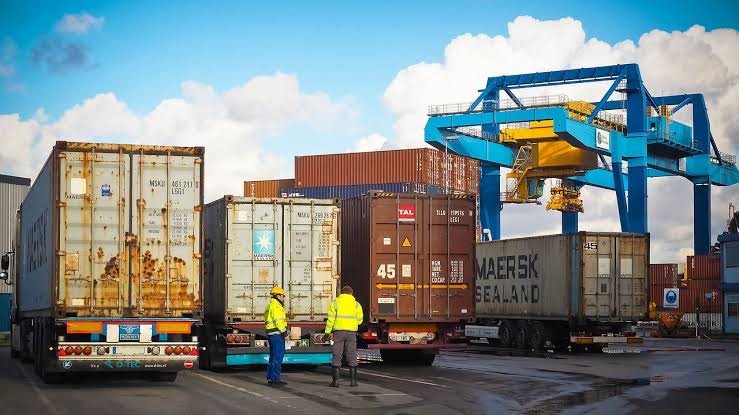
What Exporters Should Prepare Now
Businesses arranging shipments should confirm which service is operational before changing their application process. A planned rollout is insufficient grounds to abandon an existing requirement or promise a buyer a shorter delivery period.
Nigeria’s official export guide also makes clear that exporters must meet the importing country’s controls. A Nigerian approval does not, by itself, establish that a product satisfies an overseas market’s requirements.
For an order already being negotiated, ask the relevant agency where to submit, what supporting documents it requires, which fees apply and how to track the application.
Until revised processing times are demonstrated, delivery commitments should allow for the approvals the shipment still needs.

Joy Onuorah is a business journalist and brand communications specialist covering financial markets, artificial intelligence, digital economy, and the ideas reshaping business across Africa and the global market. Beyond her reporting for TheWill, Joy uses brand strategy, storytelling, copywriting, and high-value SEO to help brands build lasting market authority.
