
-
Nigeria’s Customs Modernisation Project has been adopted as the model for a 20-year, $3.1bn AfCFTA customs modernisation programme across about 50 member countries.
-
The ICRC says the deal demonstrates how properly structured public-private partnerships can attract private capital, improve public revenue and support Nigeria’s push towards a $1trn economy.
-
The project’s B’Odogwu platform, developed by Nigerian engineers, is at the centre of the Nigeria Customs Service’s digital transformation and is now being positioned for wider use across Africa.
August 11, (THEWILL) — Nigeria’s Public-Private Partnership model has gained continental recognition after the African Continental Free Trade Area Secretariat adopted the country’s Customs Modernisation Project as the template for a $3.1 billion customs transformation programme across Africa.
The Infrastructure Concession Regulatory Commission said the 20-year concession, signed with Bergmans Security Consultants and Supplies Limited, the parent company of the Trade Modernisation Project, would deploy the model across about 50 AfCFTA member countries.
The project is expected to support customs administration within the continent’s single market of about 1.3 billion people, potentially making Nigeria’s experience a reference point for cross-border trade digitalisation.

From Nigerian project to continental model
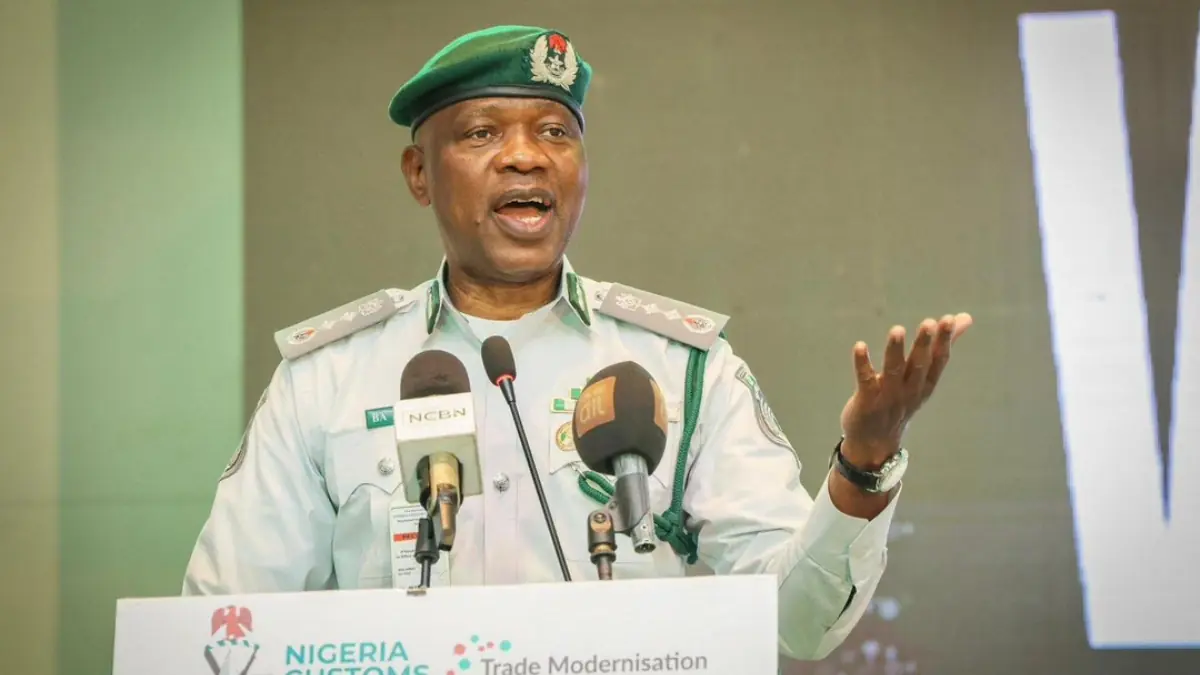
The Director-General of the ICRC, Dr Jobson Ewalefoh, said the adoption of the Nigerian model demonstrated the potential of PPPs to turn locally developed solutions into exportable infrastructure.
According to him, the project represents more than the deployment of customs technology, as it demonstrates that Nigerian companies and engineers can develop solutions capable of operating at continental scale.
“Africa is not just adopting a piece of technology. Africa is adopting a Nigerian idea, built by Nigerians, proven on Nigerian soil”, Ewalefoh said.
The AfCFTA Secretary-General, Wamkele Mene, had similarly cited Nigeria’s experience as evidence that technology could significantly transform customs administration and said the results gave the Secretariat confidence to replicate the model across the continent.
At the centre of Nigeria’s customs transformation is B’Odogwu, a Unified Customs Management System developed under the partnership with the Trade Modernisation Project.
Ewalefoh recently inspected the implementation of the platform as part of an ICRC monitoring and compliance visit to the project.
READ ALSO: FG Unveils $1bn AfCFTA Fund to Boost Nigerian Exporters
PPPs and Nigeria’s $1trn ambition
The ICRC said the development also highlights the role private capital could play in Nigeria’s plan to build a $1trn economy.
Ewalefoh argued that properly structured PPPs could help the government deliver infrastructure without relying entirely on public borrowing, while still generating economic and fiscal benefits.
“Every naira of private investment that goes into infrastructure like this is a naira the government does not have to borrow”, he said.
The commission cited the Lekki Deep Sea Port as another example of private capital being deployed through a regulated concession framework.
It also said the Customs Modernisation Project had contributed to higher Customs revenue since implementation began, suggesting that PPPs could improve public finances rather than simply create infrastructure.
READ ALSO: Africa Business Summit Highlights AfCFTA Opportunities, Honours Outstanding Leaders
Indigenous expertise takes centre stage
The ICRC stressed that the project was developed using Nigerian engineering and technical expertise, describing its adoption by AfCFTA as an opportunity to position Nigeria as an exporter of infrastructure solutions rather than merely a market for foreign technology.
Ewalefoh also credited Nigeria Customs Service Comptroller-General Bashir Adewale Adeniyi with supporting the rollout of B’Odogwu across Customs commands.
He said institutional resistance, rather than funding, remained one of the biggest obstacles to implementing major reforms.
The continental expansion of the model comes weeks after Ewalefoh called for stronger regional cooperation on PPPs at the ECOWAS Infrastructure Forum in Abidjan, including greater knowledge sharing and harmonisation of project standards across West Africa.
According to the ICRC, the AfCFTA agreement provides an early example of how a PPP developed and regulated in one African country can potentially become part of the infrastructure supporting trade across the continent.

Ogochukwu Onwaeze is a writer specializing in business and economic journalism. At THEWILL News Media, she translates market trends, financial developments, and policy shifts into clear and engaging stories.