
-
Former Attorney-General of the Federation, Abubakar Malami, has welcomed Nigeria’s victory in the Mambilla arbitration while rejecting the bribery and corruption findings made against him in the ICC award.
-
Malami says the observations in the 616-page award must be considered alongside the complete documentary and evidentiary record, rather than through selective accounts of the tribunal’s findings.
-
The former AGF maintains that the Mambilla dispute and key agreements predated his tenure, while his intervention in the matter followed directives and efforts by the Federal Government to resolve the long-running dispute.
-
The ICC tribunal dismissed Sunrise Power’s claims against Nigeria, but its award raised serious questions about the 2020 settlement, presidential approval and Malami’s dealings with Sunrise promoter, Leno Adesanya.
September 22, (THEWILL) – Former Attorney-General of the Federation and Minister of Justice, Abubakar Malami, has rejected the bribery and corruption findings contained in the International Chamber of Commerce (ICC) award on the Mambilla Hydroelectric Power Project dispute, urging that the complete record of the arbitration be examined before conclusions are drawn about his role.
Malami, in a statement issued by his media aide, Mohammed Bello Doka, welcomed the tribunal’s decision rejecting claims by Sunrise Power and Transmission Company Limited against Nigeria, but challenged what he described as interpretations of the award that blur the distinction between an international commercial arbitration and a criminal adjudication.
The ICC tribunal, in its 616-page final award delivered in Paris on September 16, 2026, dismissed Sunrise’s claims against Nigeria over agreements connected with the Mambilla project.

However, the award also contained severe criticisms of Malami’s handling of a 2020 settlement with Sunrise promoter, Leno Adesanya. The tribunal found that Malami acted against Nigeria’s interests and described the settlement agreement and its addendum as products of corruption.
Malami’s response comes as the tribunal’s findings continue to generate controversy, particularly over the circumstances surrounding the settlement, the extent of presidential approval and the former AGF’s communications with Adesanya.
Malami Demands Full Record
According to the statement, Malami acknowledges that the award contains serious observations concerning the settlement and addendum, presidential approval and his communications with Adesanya, but insists that such findings should be assessed against the complete evidentiary and documentary record.
He said he would undertake a comprehensive review of the full award and the underlying records before making a detailed response to the specific findings.
Malami also stressed that an arbitral tribunal’s findings in a commercial dispute should not automatically be equated with a criminal conviction.
His position comes against the backdrop of the tribunal’s finding that the January 2020 settlement agreement and March 2020 addendum were not binding on Nigeria because the required presidential approval had not been obtained.
The tribunal further found that the agreements were unenforceable on the grounds that they were products of corruption and contrary to Nigerian public policy.
READ ALSO:
Dispute Predated Malami’s Tenure
Malami also sought to place his involvement in context, arguing that the Mambilla controversy had been in existence for more than a decade before he became Attorney-General.
He said the matter had been reviewed by his predecessor, Michael Aondoakaa, who recommended an amicable resolution, while a 2012 General Project Execution Agreement involving Sunrise and Sinohydro also predated his tenure.
According to the former AGF, his ministry became involved in the dispute principally in its capacity as the Federal Government’s legal adviser and not as the authority responsible for awarding or executing the Mambilla project.
He said that, in April 2016, the Chief of Staff to former President Muhammadu Buhari communicated a presidential directive on the resolution of outstanding issues relating to the project.
Malami maintained that the Justice Ministry’s role, therefore, centred on legal advice and representation of the government in a dispute that had already become a major obstacle to the project.
$200m Settlement Dispute
A major issue examined by the ICC was the settlement reached during Malami’s tenure.
Malami said that by 2019, the unresolved arbitration had become a concern for the financing and implementation of the Mambilla project, including issues involving China Exim Bank.
He referred to a September 5, 2019 discussion involving Buhari and the then Chinese senior official, Yang Jiechi, as part of the wider diplomatic and financial efforts surrounding the project.
According to Malami’s account, Sunrise initially proposed a $500 million full-and-final settlement in November 2019, while representatives of the Federal Government countered with $100 million.
A figure of $200 million eventually emerged as the proposed settlement sum.
The tribunal subsequently examined the settlement and a later addendum that increased Nigeria’s potential exposure. Under the revised arrangement, a failure by Nigeria to meet its obligations could have resulted in an additional $200 million liability, alongside interest.
The tribunal concluded that the revised terms significantly worsened Nigeria’s position.
Buhari’s Approval At Centre Of Dispute
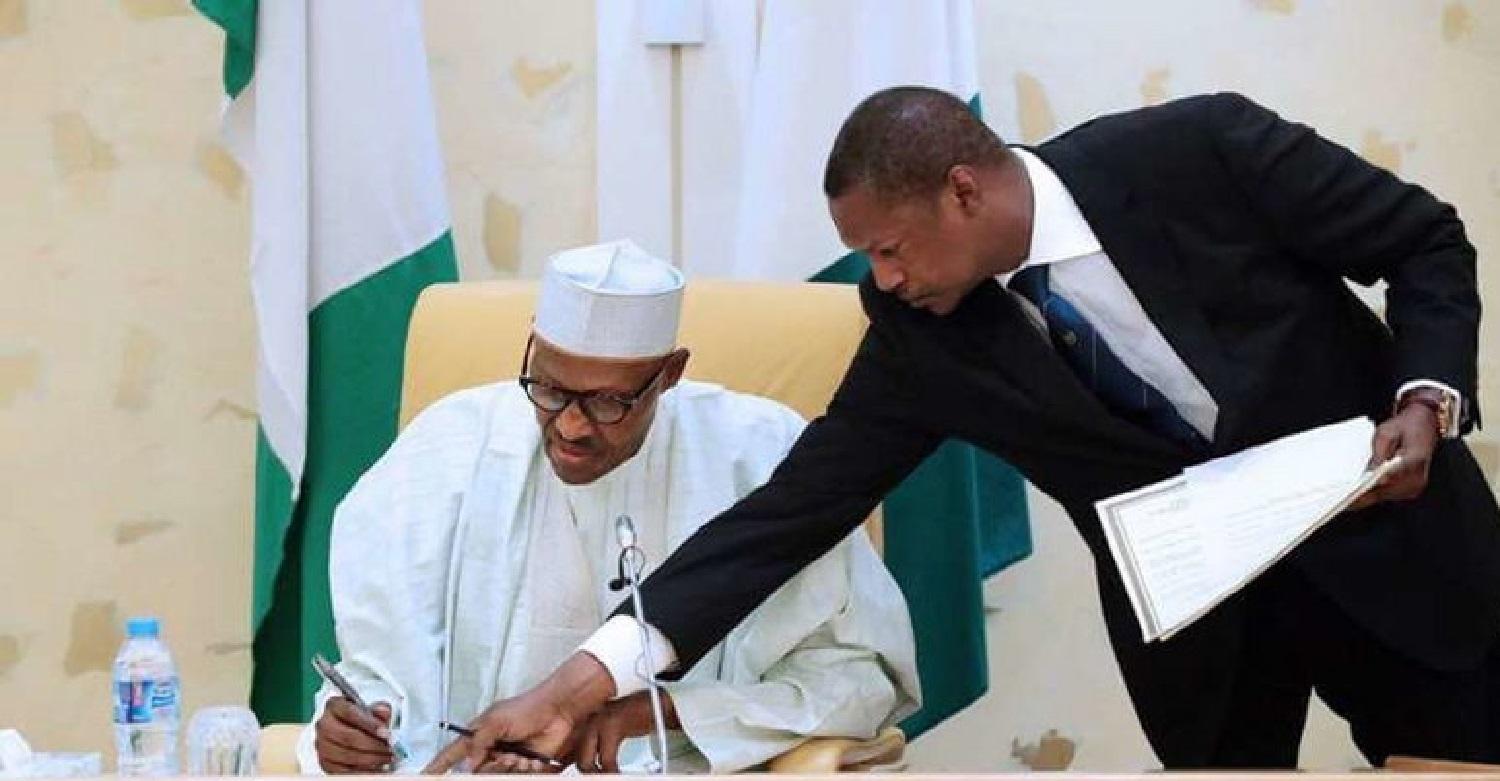
Malami said former President Buhari did not approve the $200 million settlement. He stated that after Buhari indicated on April 20, 2020, that the Federal Government did not have the money to meet the proposed settlement, he communicated the position to the relevant parties two days later.
Malami further referred to a January 2021 request for approval in which, according to his account, Buhari wrote, “Not approved”.
The ICC tribunal also relied heavily on Buhari’s refusal to approve the settlement.
It found that no presidential approval was obtained for the settlement agreement or its addendum, whether expressly or implicitly, before or after the documents were executed. The tribunal consequently held that Malami and former Minister of Power Saleh Mamman lacked the authority to bind the Federal Government to the agreements without presidential approval.
Malami said that following Buhari’s refusal, he directed Nigeria’s legal representatives to resist Sunrise’s attempt to enforce the settlement and to preserve the Federal Government’s legal position.
Tribunal Raises Questions Over Adesanya Relationship
The most contentious aspect of the ICC award concerns Malami’s dealings with Adesanya. The tribunal found that Malami had acted against Nigeria’s interests in the handling of the settlement and questioned the nature of his relationship with the Sunrise promoter.
It cited communications between the two men, including an exchange in which Adesanya thanked Malami for his efforts to ensure that Sunrise was paid, to which Malami responded, “Thank you Mr Leno.”
The tribunal described aspects of their communications as inappropriate and concluded, on the balance of probabilities, that there had been a corrupt agreement connected with the settlement. It nevertheless rejected Nigeria’s separate claim for damages because it found insufficient evidence establishing the required causal connection between the alleged conduct and the financial losses claimed by the Federal Government.
The tribunal also said it could not establish that the additional $200 million default sanction had been promised to Malami or Mamman.
Malami has rejected the interpretation that the tribunal’s findings amounted to a criminal determination against him. He argued that serious allegations of corruption should be tested against the entire evidentiary record, including documents and other materials that may provide context to the findings contained in the award.
He also pointed to alleged audio and video recordings referred to during the proceedings by Adesanya but said not produced before the tribunal.
Malami maintained that he was not a party to the arbitration in his personal capacity and was not given the opportunity to present his own case in the manner applicable to a criminal proceeding. He urged caution in drawing conclusions from isolated portions of the award.
Background: The Mambilla Dispute
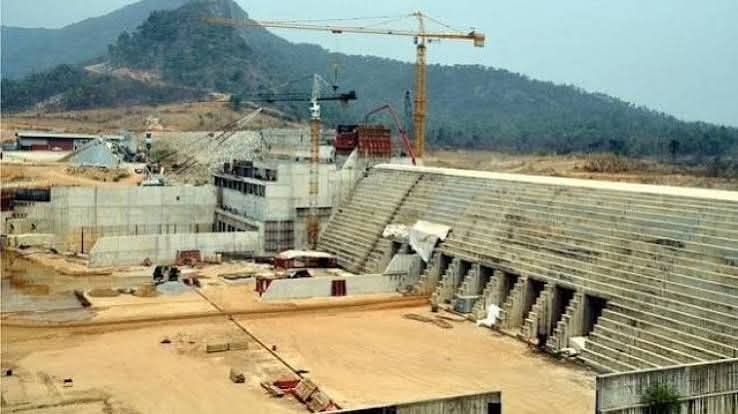
The Mambilla dispute dates back to a 2003 arrangement for the development of the 3,050-megawatt Mambilla hydroelectric project in Taraba State. Sunrise Power commenced ICC arbitration in 2017, seeking about $2.354 billion over alleged breaches of the original agreement. A separate dispute later arose from the 2020 settlement, under which Sunrise sought to enforce obligations it said Nigeria had accepted.
The ICC tribunal ultimately rejected Sunrise’s claims, holding that the 2020 settlement and subsequent addendum could not bind Nigeria without the required presidential approval. The award has, however, opened a new phase of scrutiny over the conduct of officials and individuals linked to the project and the transactions examined during the arbitration.

Felix Ifijeh is a journalist with years of professional reporting experience. Known for his keen news sense, compelling storytelling and commitment to accurate, impactful reporting, he has built a reputation for turning leads into clear, engaging, and well-structured reports that resonate with readers. His work reflects deep newsroom experience and a commitment to accurate, impactful journalism.
