
-
Lionel Messi has retired from international football after a remarkable 21-year career with Argentina.
-
From his explosive World Cup debut in 2006 to the heartbreak of 2016 and the glory of 2021 and 2022, Messi’s Argentina story was anything but straightforward.
-
His final chapter came after the 2026 World Cup, with Messi leaving as Argentina’s record appearance-maker and all-time leading goalscorer.
August 31, (THEWILL) — For a player who seemed destined for greatness from the moment he arrived, Lionel Messi’s Argentina career was never quite as simple as the numbers suggest. There were the goals, the records and eventually the trophies. But before Messi became the captain who lifted the World Cup, there were painful defeats, missed opportunities, and even a moment when he believed walking away from international football was the only answer.
On Monday, at 39, Messi finally brought that extraordinary chapter to an end. Following Argentina’s defeat by Spain in the 2026 World Cup final, the eight-time Ballon d’Or winner announced his retirement from international football, closing a national-team career that produced 207 appearances and 125 goals.
Those figures alone explain why Messi leaves as one of Argentina’s greatest-ever footballers. But statistics cannot fully tell his story. To understand how Messi went from a gifted teenager making his World Cup debut to the man who eventually delivered Argentina’s biggest prizes, here are five moments that changed his legacy forever.

Messi World Cup debut
1. The World Cup debut that announced Messi to the world
20 years of Messi magic. 🥹
16 June 2006. The day Lionel Messi made his #FIFAWorldCup debut. 🏆 pic.twitter.com/bGlqKT2WiB
— FIFA World Cup (@FIFAWorldCup) August 31, 2026
Messi had already made his senior Argentina debut against Hungary in 2005. The debut lasted barely two minutes after he was sent off shortly after coming on, but it marked the beginning of an extraordinary international career. It was at the 2006 World Cup in Germany that the world really got its first glimpse of what was coming. At only 18, Messi came off the bench against Serbia and Montenegro with Argentina already in control of the match.
He did not need long. He supplied an assist for Hernán Crespo before scoring Argentina’s sixth goal in a 6-0 victory. It was more than a promising cameo. Messi became the youngest Argentine to score at a World Cup at that time, and suddenly the teenager was no longer simply a talented youngster from Barcelona. He was now part of Argentina’s World Cup story.
Twenty years later, the teenager who stepped onto the pitch in Germany would eventually play at six World Cups and become the face of Argentina’s national team.
2. The night Messi walked away from Argentina
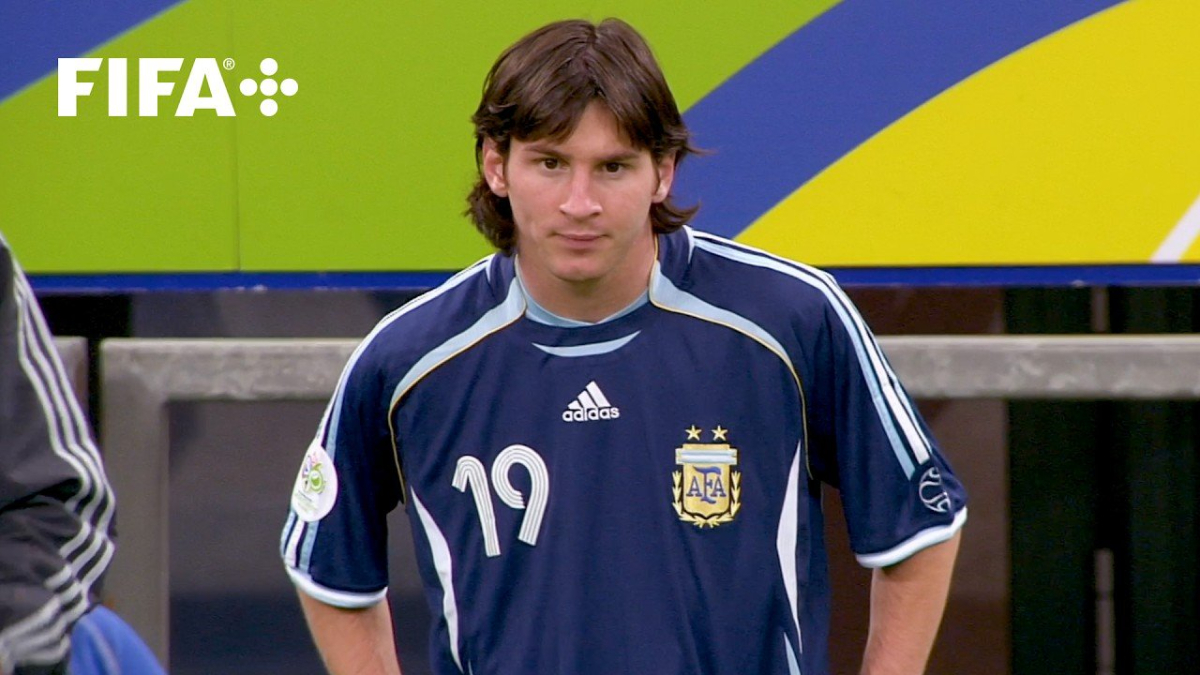 If 2006 was the beginning of the dream, 2016 was the moment it nearly fell apart. Messi had reached the 2014 World Cup final with Argentina, only to lose to Germany. A year later came another major disappointment when Chile defeated Argentina in the Copa América final.
Then came the 2016 Copa América final. Once again, Chile won on penalties. For Messi, it was devastating. The defeat marked his third consecutive loss in a major international final, and this time the pain became too much. Messi announced that he was retiring from international football at the age of 29.
For a few days, it genuinely looked as though one of football’s greatest players would leave Argentina without a major senior international trophy. But something happened that changed the story. Argentina did not want Messi to go.
Fans launched campaigns asking him to return, while prominent figures in the country also urged him to reconsider. Eventually, Messi did. And that decision would completely change how his Argentina career was remembered.
3. The Copa América finally ends the wait
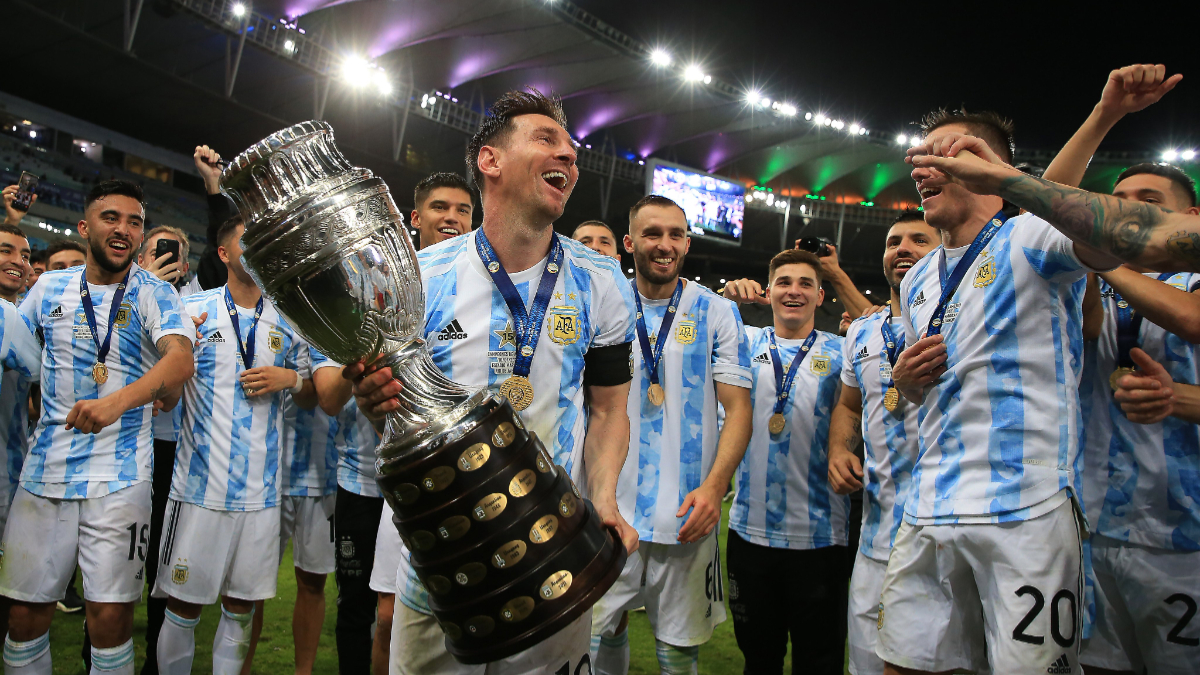 Before 2021, there was a question that followed Messi everywhere he went with Argentina: Could he actually win a major trophy with his country?
He had come close. Very close. But the defeats kept piling up. That changed in July 2021. Argentina defeated Brazil 1-0 in the Copa América final, with Ángel Di María scoring the only goal of the match. Messi finally had his first major senior international trophy.
It was difficult to overstate what that moment meant. Messi had spent years being compared with Diego Maradona and being criticised for not reproducing his club success with the national team. Now he had finally delivered.
The celebrations that followed were emotional because this was not just another trophy. It was the trophy that broke the curse. Argentina had waited 28 years for a major senior men’s title. Messi had waited even longer for his defining moment in an Argentina shirt.
And once the first one arrived, the biggest prize of all suddenly looked possible.
4. The World Cup that completed Messi’s Argentina story
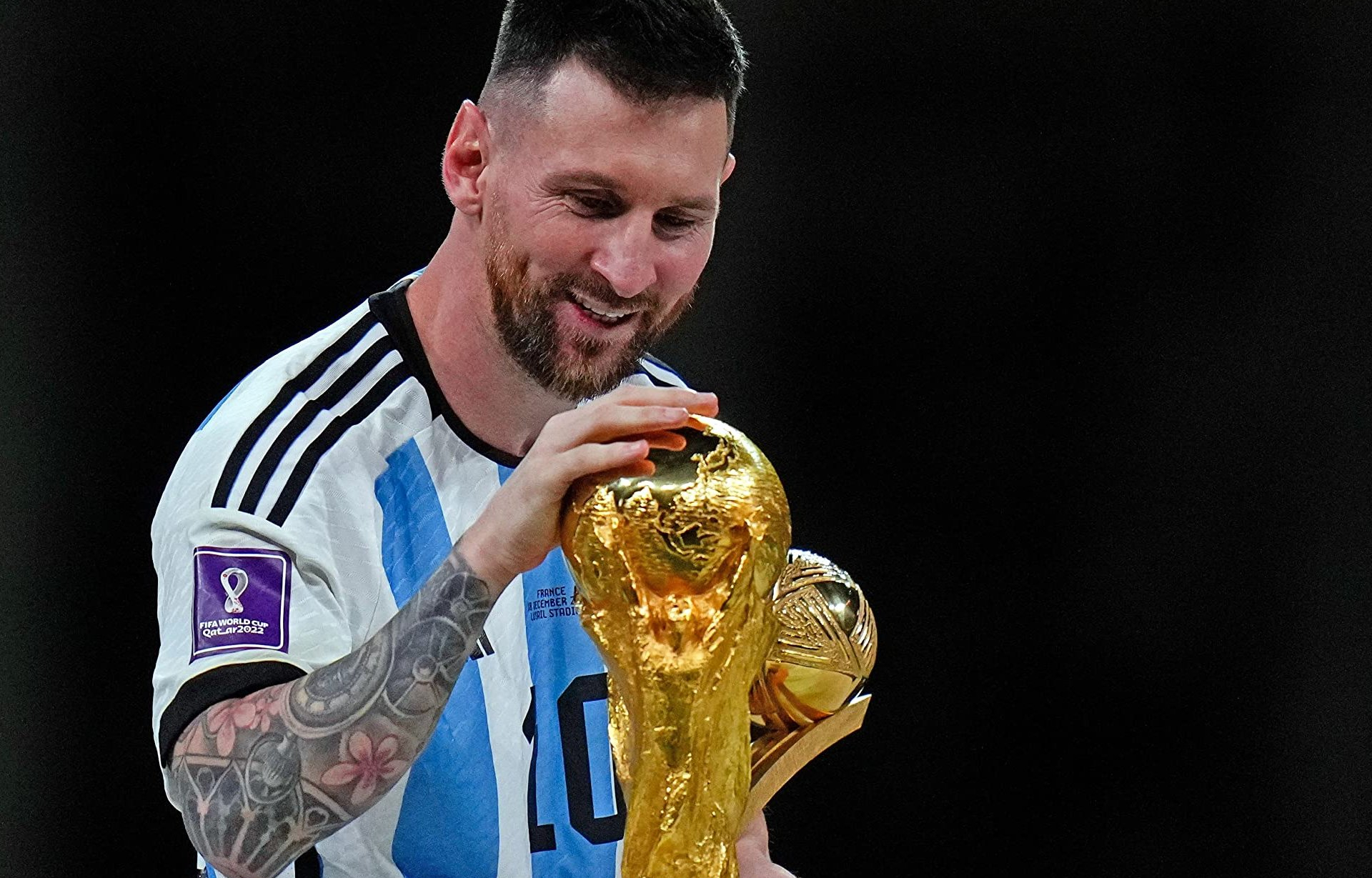
If 2021 changed the conversation, Qatar 2022 ended it. Messi arrived at the World Cup knowing it might be his final opportunity to win the trophy that had eluded him throughout his career.
The tournament did not begin smoothly. Argentina suffered a shock defeat by Saudi Arabia in their opening match. But Messi and his teammates recovered. They beat Mexico, defeated Poland and moved through the knockout rounds before navigating tense matches against Australia, the Netherlands and Croatia.
Then came France. The final became one of the greatest matches in World Cup history. Messi scored twice as Argentina drew 3-3 with France before winning the penalty shootout 4-2.
Finally, the trophy was his. Messi finished the tournament with seven goals and three assists and was named the World Cup’s Golden Ball winner. He also became the first player to score in every knockout round of a single World Cup.
For Argentina, it was their first World Cup title since 1986. For Messi, it was the missing piece. The debate over whether he could carry his country to football’s biggest prize was finished. He had done it.
READ ALSO:
5. The final World Cup and the decision to say goodbye
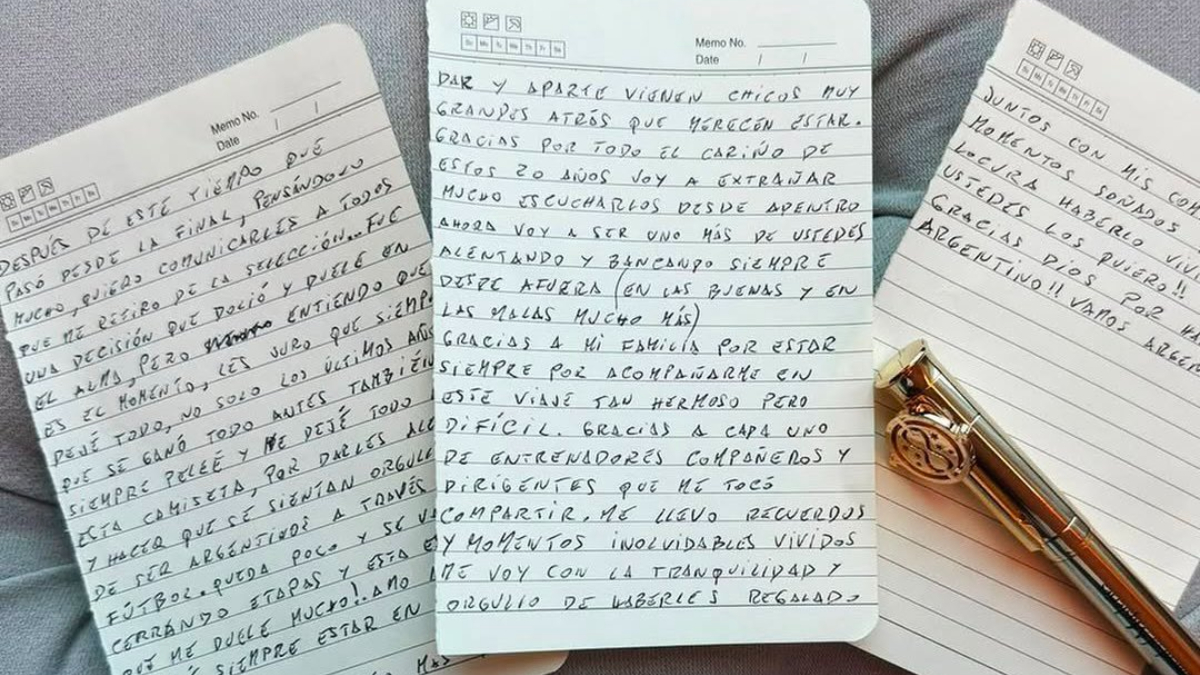
There was one last chapter. Messi returned for the 2026 World Cup, his sixth appearance at the tournament, and once again led Argentina all the way to the final. This time, however, there would be no second World Cup triumph.
Spain defeated Argentina 1-0 after extra time, bringing Messi’s final World Cup campaign to an end. For years, Messi had spoken about enjoying every final stage of his international career rather than trying to force an ending.
After the defeat, the question was no longer whether he would continue indefinitely. It was when he would say goodbye. That answer arrived on August 31.
Messi announced his retirement from international football, ending a 21-year Argentina career with records that may take generations to challenge: 207 appearances and 125 goals.
The ending was not perfect. There was no second World Cup trophy. No final goal to seal another title. But perhaps perfection was never really necessary.
By the time Messi walked away, the argument had already been settled.
Nada me lleno más de felicidad que verte ganar después de esas finales perdidas
Mucha gracias por todo Messi❤️ pic.twitter.com/GyFEnzbkFq
— nenn (fan) (@FCB_nenn) August 31, 2026
A legacy that survived the heartbreak
Messi’s Argentina career is fascinating precisely because it was not a straight line to glory. There was the teenager who announced himself at the 2006 World Cup. There was the superstar who could not stop losing major finals. There was the 29-year-old who walked away from the national team.
Then came the return, the Copa América, the World Cup and another Copa América title in 2024. And finally, there was the veteran who led Argentina to another World Cup final before deciding it was time to make room for the next generation.
Messi leaves international football as Argentina’s record appearance-maker and leading goalscorer, with the World Cup, two Copa América titles and an Olympic gold medal among his major honours with the country.
The most important part of his Argentina story, though, may not be any single number. It is the transformation.
For years, Messi was the player Argentina desperately wanted to see succeed. By the end, he had become the player Argentina could no longer imagine playing without.
That is why his retirement feels bigger than the end of a football career. It is the end of an era for Argentina.
END OF AN ERA. 💔
You were, you are, and you will always be the “GOAT of Football”. 🐐
THANK YOU FOR EVERYTHING, LIONEL MESSI 🥹🤍#Messi | #Goat | #Argentina https://t.co/qtEOp4S1B2 pic.twitter.com/g2pUSIZndg
— Mverma_☆ (@AGN_Mv) August 31, 2026

Olumide Atiba is a sports journalist with THEWILL, known for his keen news sense and compelling storytelling. He has built a reputation for turning leads into clear, well-structured reports that resonate with readers, with a strong focus on football coverage
