-
Nigeria’s electricity subsidy could approach ₦2trn in 2026 if tariffs remain below cost-reflective levels, after ₦1.93trn was recorded in 2025.
-
NERC said subsidy covered 57.44 percent of the ₦3.36trn electricity invoice issued by NBET last year.
-
Generators warn that fresh sector liabilities could push total outstanding obligations beyond ₦7trn, adding to the ₦4trn legacy debt programme.
September 24, (THEWILL) – Nigeria’s electricity subsidy bill could reach ₦2 trillion this year if the government maintains the current tariff structure, adding pressure to public finances as the power sector continues to struggle with rising costs and weak revenue collection.
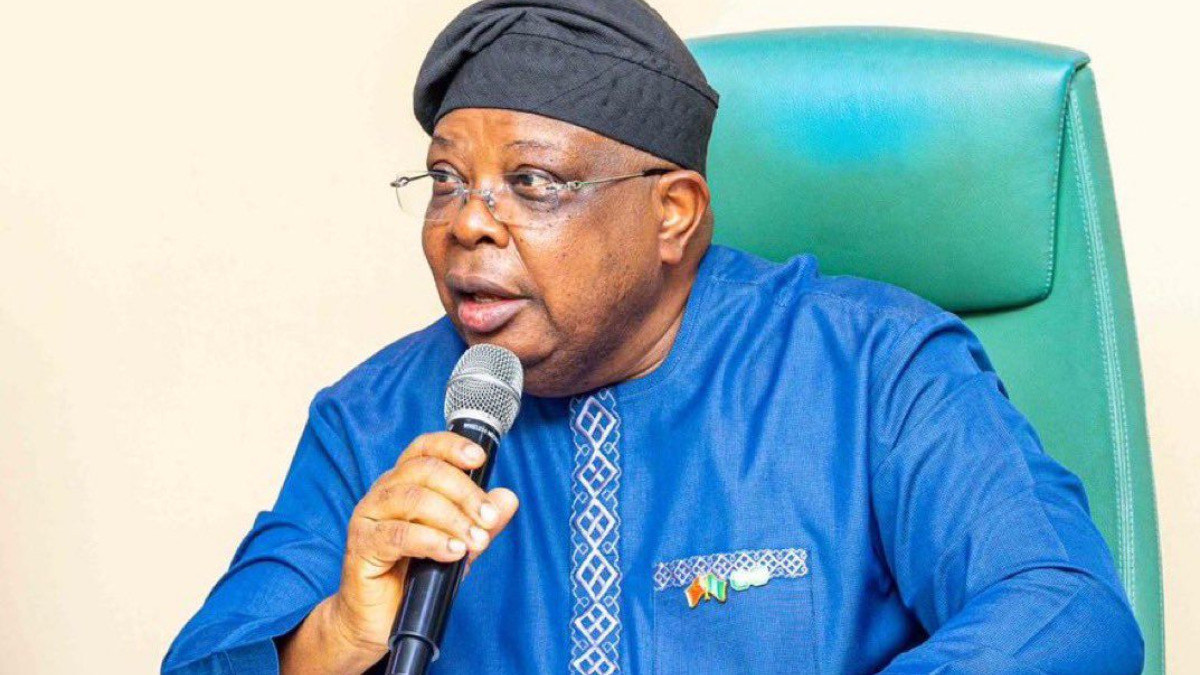
The development follows the Federal Government’s decision not to raise electricity tariffs immediately, with the Minister of Power, Joseph Tegbe, saying the government is focused on building a commercially viable electricity market while protecting vulnerable consumers.
Tariff Gap Keeps Government On The Hook
The Nigerian Electricity Regulatory Commission’s 2025 Annual Report showed that government electricity subsidy obligations rose to ₦1.93 trillion last year, representing 57.44 percent of the ₦3.36 trillion total invoice issued by the Nigerian Bulk Electricity Trading Company.

That amounted to an average subsidy of ₦160.69 billion every month.
The subsidy arises because allowed electricity tariffs remain below the cost of supplying power. The government effectively covers the gap between the cost-reflective tariff and the amount customers are permitted to pay.
NERC said the subsidy is applied to generation costs payable by electricity distribution companies to NBET, with the uncovered portion invoiced to the Federal Ministry of Finance.
While Band A customers pay tariffs closer to cost-reflective levels, customers on other supply bands continue to benefit from varying levels of subsidy.
READ ALSO:
Generators Warn Of Fresh Debt
The subsidy burden is coming as the government attempts to address the sector’s existing liabilities.
Joy Ogaji, Chief Executive Officer of the Association of Power Generation Companies, has questioned whether the ₦4 trillion Presidential Power Sector Debt Reduction Programme can prevent another accumulation of unpaid obligations.
Ogaji said the ₦4 trillion legacy debt covers liabilities up to December 2024, while new obligations continue to accumulate across the electricity value chain.
She warned that fresh liabilities could exceed ₦7 trillion before the government fully implements its debt-reduction programme.
She also argued that electricity subsidies would remain difficult to sustain without explicit budgetary provisions, urging the government to determine an affordable subsidy level and make adequate fiscal provisions for it.
Power Problems Extend Beyond Tariffs
The minister said the government’s first 100 days have focused on diagnosing the sector, stabilising infrastructure and restoring market discipline.
Gas shortages remain a major constraint on generation, with damaged pipelines and commercial disputes affecting supply. Generating companies also face ageing equipment, deferred maintenance and stalled projects.
The transmission network remains under pressure from vandalism, overloaded equipment and repeated system trips.
Tegbe also said generating companies receive only about 27 percent of the bills issued across the market, highlighting the sector’s persistent liquidity problem.
With tariffs frozen and operating costs still elevated, the size of the government’s subsidy obligation will increasingly depend on how quickly the sector can improve collections, generation efficiency and market liquidity.

Ogochukwu Onwaeze is a writer specializing in business and economic journalism. At THEWILL News Media, she translates market trends, financial developments, and policy shifts into clear and engaging stories.