
-
The NFF has dismissed Justin Madugu and his entire Super Falcons technical crew with immediate effect.
-
Nigeria failed to reach the WAFCON semi-finals before losing their final World Cup qualification chance to South Africa.
-
The Super Falcons will miss the FIFA Women’s World Cup for the first time since the competition began in 1991.
-
Madugu was sacked just over a year after guiding Nigeria to a record-extending 10th WAFCON title.
August 18, (THEWILL) — The Nigeria Football Federation (NFF) has sacked Justin Madugu as head coach of the Super Falcons following Nigeria’s disappointing 2026 Women’s Africa Cup of Nations campaign and failure to qualify for the 2027 FIFA Women’s World Cup.
Madugu and his entire technical team have been relieved of their duties with immediate effect, bringing an abrupt end to his time in charge of the country’s senior women’s national team. The NFF announced the decision through its Executive Committee but did not provide detailed reasons for the dismissal.
The decision comes after a disastrous few weeks for the Super Falcons, who entered the 2026 WAFCON among the leading contenders but failed to reach the semi-finals. Nigeria’s campaign began with a major setback as they suffered a 3-2 defeat to tournament debutants Malawi in their opening Group C fixture.

Although the Super Falcons recovered sufficiently to progress from the group stage, their tournament ended in the quarter-finals after Cameroon secured a 1-0 victory. The Indomitable Lionesses subsequently went on to make history, beating Malawi 3-0 in the final to win their first WAFCON title.
For Nigeria, the defeat by Cameroon was particularly damaging because it also ended their automatic qualification hopes for the 2027 Women’s World Cup. The four teams reaching the WAFCON semi-finals were guaranteed places at the tournament in Brazil, leaving Nigeria with one final opportunity through a qualification play-off.
That opportunity was also lost.
South Africa defeated the Super Falcons 2-1 on August 13, ending Nigeria’s hopes of reaching Brazil 2027 and confirming a historic absence from the world’s biggest women’s football tournament.
The Super Falcons had appeared at every Women’s World Cup since the competition was first held in 1991. Their failure to qualify therefore represents an unprecedented setback for the most successful team in African women’s football.
Madugu’s dismissal is made even more striking by the fact that he was celebrating one of the biggest achievements of his coaching career only a year earlier.
In 2025, Madugu guided Nigeria to a record-extending 10th WAFCON title after the Super Falcons defeated hosts Morocco in the final in Rabat. His success earned him the CAF Coach of the Tournament award and appeared to establish him as a long-term figure in the national team’s setup.
However, the events of 2026 have completely changed the picture.
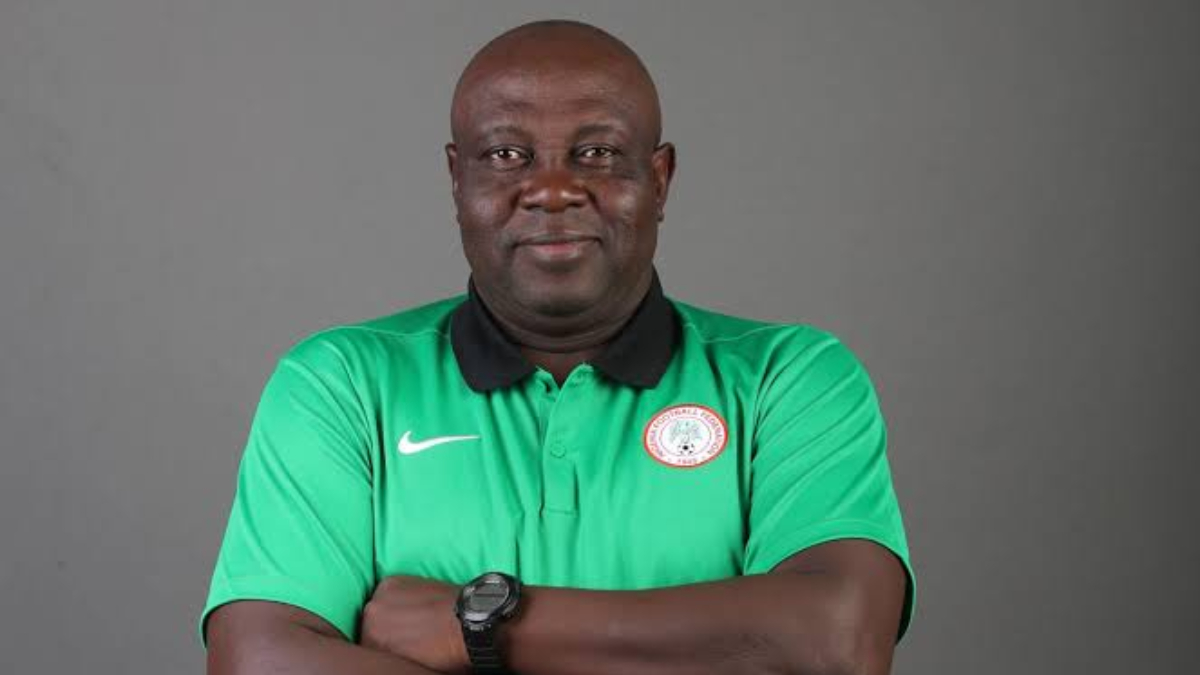
Madugu initially became involved with the Super Falcons’ technical structure in 2021 before taking over as interim head coach in September 2024 following the departure of American coach Randy Waldrum. His successful 2025 campaign subsequently strengthened his position.
But Nigeria’s poor start to the 2026 WAFCON, early elimination and eventual World Cup failure placed his position under intense pressure.
Following the defeat by South Africa, Madugu accepted responsibility for Nigeria’s failure to qualify for the World Cup and apologised to supporters. He pointed to missed opportunities and defensive mistakes as some of the factors that cost his side the crucial match.
“Our best was not good enough”, Madugu admitted after the defeat.
The NFF’s decision also comes shortly after the federation established a six-member fact-finding committee to examine the Super Falcons’ recent struggles. Former NFF general secretary Fanny Amun chairs the committee and includes several former national team figures and football administrators.
The panel has been tasked with examining the factors behind Nigeria’s decline and consulting with relevant stakeholders before presenting its findings and recommendations to the federation.
Madugu’s departure also comes at a difficult time for Nigerian football generally. The Super Eagles suffered their own major World Cup disappointment after failing to qualify automatically for the 2026 FIFA World Cup and subsequently losing the African play-off final to DR Congo on penalties.
READ ALSO:
From Super Eagles To Super Falcons: Nigeria’s World Cup Nightmare Gets Worse
Super Falcons Pay Heavy Price For WAFCON Exit, Face Tough Route To 2027 World Cup
With both senior national teams experiencing major qualification setbacks, attention is likely to turn beyond the coaches to the broader structures responsible for Nigerian football.
For the Super Falcons, however, the immediate challenge is finding a new manager capable of restoring confidence and rebuilding a team that has dominated African women’s football for decades.
The NFF has yet to announce Madugu’s replacement or confirm whether an interim coaching arrangement will be put in place. The next appointment will therefore carry enormous expectations, with Nigeria needing to rebuild after the most significant setback in the Super Falcons’ World Cup history.
Madugu leaves with the distinction of having delivered Nigeria’s 10th WAFCON crown, but his tenure will ultimately be remembered for ending with a campaign that saw the Super Falcons lose their continental title and, for the first time, their place at the Women’s World Cup.
Olumide Atiba is a sports journalist with THEWILL, known for his keen news sense and compelling storytelling. He has built a reputation for turning leads into clear, well-structured reports that resonate with readers, with a strong focus on football coverage