
-
Zambia coach Nora Häuptle has questioned CAF’s tiebreaker rule after the Copper Queens were eliminated from WAFCON 2026.
-
Zambia finished level on six points with Nigeria and Malawi but failed to reach the knockout stage.
-
The Super Falcons and Malawi advanced after CAF used goals scored in head-to-head matches to separate the three teams.
August 09, (THEWILL) — Zambia head coach, Nora Häuptle, has expressed her frustration with the Confederation of African Football (CAF) after a controversial tiebreaker rule brought the Copper Queens’ Women’s Africa Cup of Nations campaign to a painful end.
Zambia defeated Malawi 2-1 in their final group-stage match on Wednesday, but the victory was not enough to secure their passage into the knockout rounds.
The Copper Queens finished the group stage on six points, the same total accumulated by Nigeria’s Super Falcons and Malawi.

However, CAF’s regulations came into play to determine which teams would advance, with the governing body using goals scored in matches involving the three tied teams as the decisive factor.
Under the head-to-head calculation, Nigeria scored four goals against the other two teams, Malawi scored three, while Zambia managed two.
That left Nigeria and Malawi in the qualifying positions and Zambia eliminated from the tournament.
The outcome has left Häuptle questioning the logic behind the regulation, particularly because she believes Zambia’s overall performance in the group deserved greater reward.
“We scored the most goals in this group, and we conceded the least goals”, Häuptle said, according to Lusaka Times.
“Sometimes I’m not sure if we do the right things with this kind of regulations because it feels completely weird that we are out.”
READ ALSO: WAFCON 2026: Meet the Last 8 Nations Jostling for Semi-Final Spot
Zambia’s Final Victory Was Not Enough
The Copper Queens entered their final group fixture knowing that every point and goal could prove crucial.
They delivered when it mattered on the pitch, defeating Malawi 2-1 and finishing the group stage with six points.
However, the three-way tie meant their fate was no longer determined simply by their final result.
CAF’s regulations required the tied teams to be separated by their performances against one another.
Nigeria’s four goals in those head-to-head encounters proved decisive, while Malawi’s three goals were also enough to put them ahead of Zambia.
Zambia, despite scoring two goals in the relevant matches, finished behind both sides and were eliminated.
The unusual nature of the qualification process has made Zambia’s exit one of the most debated moments of the tournament so far.
Häuptle Questions CAF’s Decision
For Häuptle, the frustration comes from the fact that the tiebreaker did not appear to reflect Zambia’s overall performance across the group.
The Copper Queens coach highlighted both her team’s attacking and defensive records while expressing disbelief that they could score more goals overall and concede fewer but still be eliminated.
Her comments have raised questions about whether CAF should reconsider the way it separates teams that finish level on points in future competitions.
The head-to-head system is designed to reward teams for their performances against direct rivals. However, when three teams are tied, relatively small differences in goals can have major consequences.
That was precisely what happened in Zambia’s group.
READ ALSO: No Room For Error: Super Falcons Must Overcome Egypt To Boost WAFCON Quarter-Final Hopes
Super Falcons Benefit From Tiebreaker
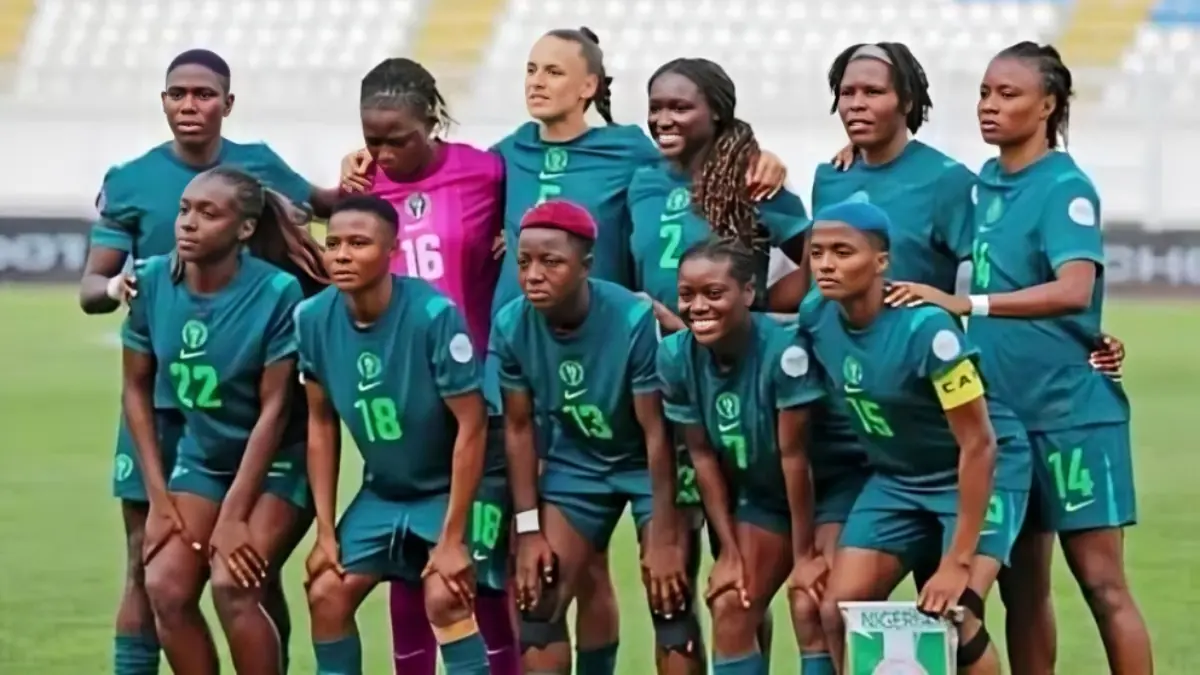
Nigeria were among the two teams to benefit from the regulation.
The Super Falcons finished on six points but had the strongest head-to-head goals tally among the three teams, scoring four times in the relevant fixtures.
That ensured Nigeria progressed to the next stage of the competition alongside Malawi.
The qualification keeps the Super Falcons’ hopes of winning another continental title alive as they move into the knockout phase.
Malawi also secured their place after scoring three goals in the head-to-head matches, leaving Zambia in third place among the three tied teams.
A Painful End for Zambia
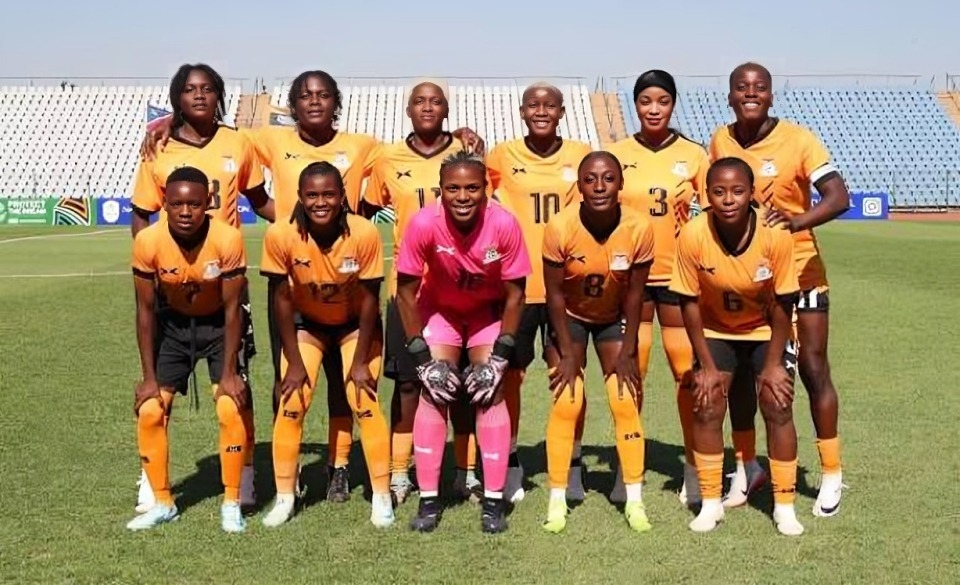
Zambia’s elimination is particularly frustrating because the Copper Queens finished their campaign with a victory.
Rather than ending the group stage with a defeat or disappointing draw, Häuptle’s team secured three points against Malawi but still found themselves heading home.
The result has ensured that the focus has shifted from the final scoreline to CAF’s tournament regulations.
For Zambia, there is little that can be done about the outcome now, but Häuptle’s comments could add to the growing conversation around how three-team ties should be resolved at major African competitions.
The Copper Queens will have to watch the knockout rounds from home, while Nigeria and Malawi continue their WAFCON campaigns.
For Häuptle, however, the disappointment remains difficult to accept.
Zambia won their final match, finished level on points with both Nigeria and Malawi and, according to their coach, had the best overall scoring and defensive record.
Yet, because of CAF’s head-to-head tiebreaker, it was the Copper Queens who paid the ultimate price.
“It feels completely weird that we are out,” Häuptle said.

Olumide Atiba is a sports journalist with THEWILL, known for his keen news sense and compelling storytelling. He has built a reputation for turning leads into clear, well-structured reports that resonate with readers, with a strong focus on football coverage