
-
CPPE says the Federal Government’s temporary fuel price relief should not be interpreted as a reversal of petrol subsidy removal.
-
The organisation attributes recent fuel price increases largely to global energy market developments and geopolitical tensions.
-
CPPE argues that targeted relief can protect households and businesses without restoring the former subsidy regime.
-
Nigeria removed its longstanding petrol subsidy in May 2023 to reduce fiscal pressures and free up public resources.
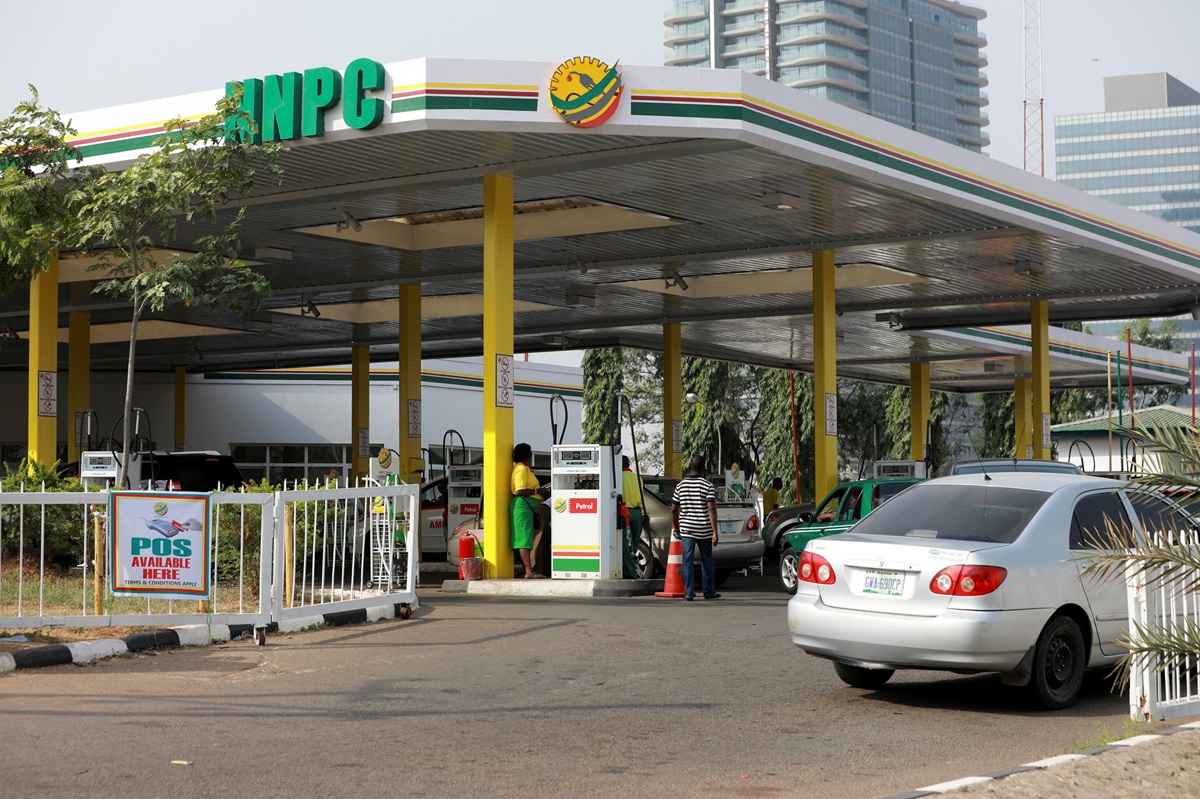
October 14, (THEWILL) – The Centre for the Promotion of Private Enterprise has defended the Federal Government’s temporary fuel price relief initiative implemented through the Nigerian National Petroleum Company Limited, arguing that the intervention does not amount to a return to petrol subsidy.
The organisation said the relief measure should be viewed as a temporary response to rising energy costs rather than a reversal of the economic reforms introduced following the removal of petrol subsidies in May 2023.
In a policy brief issued on Tuesday, the Chief Executive Officer of CPPE, Dr Muda Yusuf, said governments could introduce targeted measures to cushion households and businesses against exceptional economic shocks without abandoning broader economic reforms.

“Economic policies are instruments for promoting citizens’ welfare; they should not become rigid doctrines that prevent governments from responding to exceptional social and economic difficulties,” Yusuf said.
The position comes amid renewed pressure on domestic fuel prices following developments in the international energy market, including geopolitical tensions that have pushed crude oil prices above $100 per barrel, according to the policy brief.
CPPE Distinguishes Relief From Subsidy
Yusuf argued that the current intervention differed from the former petrol subsidy regime in its scale, scope and implications for public finances.
He maintained that a limited relief programme did not necessarily amount to a return to government-controlled petrol pricing, which previously required public funds to cover the difference between regulated pump prices and the cost of supplying the product.
The distinction is important because the removal of petrol subsidies was intended to reduce the financial burden on the Federal Government and limit the diversion of public resources to maintaining artificially low fuel prices.
Under the former arrangement, subsidy costs placed significant pressure on government finances, while concerns over transparency, payment obligations and the opportunity cost of the expenditure featured prominently in debates about the policy.
The removal of the subsidy shifted a greater share of international price and exchange-rate movements to consumers and businesses. Consequently, increases in crude oil prices and other supply costs can translate into higher domestic petrol prices.
CPPE’s argument is that temporary relief can address the immediate consequences of such shocks without necessarily reinstating the broad-based subsidy structure that the government dismantled.
However, the fiscal implications of any intervention depend on how it is funded, its duration and the extent to which it affects the prices paid by consumers.
READ ALSO:
Rising Fuel Costs Pressure Households, Businesses
The debate over the relief initiative comes as higher energy costs continue to put pressure on household budgets and business operating expenses.
Petrol price increases can raise transportation fares and the cost of distributing food and other essential goods. They can also increase production expenses for businesses that depend on petrol-powered generators and other fuel-consuming equipment.
Agriculture, manufacturing, retail and logistics are among the sectors exposed to these pressures through transportation, distribution and operating costs.
For households, higher petrol prices can reduce disposable income as more money is spent on commuting and other essential expenses.
Businesses, meanwhile, may pass some of the additional costs on to consumers, contributing to broader inflationary pressures.
These effects have intensified calls for measures that can ease the immediate burden of rising energy prices without undermining the fiscal objectives of subsidy removal.
CPPE’s position reflects the argument that economic reforms should be accompanied by measures capable of addressing their social and economic consequences, particularly when external shocks significantly increase the cost of living.

Balancing Consumer Relief With Fiscal Discipline
Nigeria removed its longstanding petrol subsidy in May 2023, marking a major shift in its petroleum pricing policy.
The reform was intended to reduce government expenditure on fuel subsidies and create more fiscal space for infrastructure, social services and other public priorities.
It also exposed domestic fuel prices more directly to international petroleum prices, exchange-rate movements and domestic supply costs.
The latest relief initiative has therefore raised questions about how the government can protect consumers from exceptional price increases without recreating the financial pressures associated with the former subsidy regime.
For the intervention to remain distinct from a return to subsidy, its funding arrangements, scope and duration are important considerations.
A temporary, clearly defined measure would have different fiscal implications from a permanent commitment to maintaining petrol prices below market levels.
The government would also need to balance immediate consumer relief against the need to preserve the gains expected from petroleum market reforms.
While CPPE has defended the intervention as a legitimate response to exceptional economic conditions, the broader policy challenge remains how to make any relief effective without creating open-ended public spending obligations.
Ultimately, the sustainability of the approach will depend on its cost to public finances, the extent of relief delivered to consumers, and whether the measure remains temporary rather than evolving into a permanent price-support arrangement.

Ogochukwu Onwaeze is a writer specializing in business and economic journalism. At THEWILL News Media, she translates market trends, financial developments, and policy shifts into clear and engaging stories.
