
-
Public servants across the Federal, state and local government services are set to down tools from midnight on Friday, October 2, in a three-day warning strike declared by the Joint National Public Service Negotiating Council (JNPSNC) over worsening economic hardship and unresolved demands.
-
The unions are demanding a reduction in the price of petrol to N500 per litre, an immediate wage award to cushion the rising cost of living and the constitution of a tripartite committee to negotiate a new national minimum wage ahead of 2027.
-
The industrial action follows the expiration of a September 30 deadline issued by the JNPSNC after it said the Federal Government failed to act on the demands contained in its September 21 letter to President Bola Ahmed Tinubu.
-
The strike notice came shortly after President Tinubu’s 66th Independence Day address, in which he defended his administration’s economic reforms and acknowledged the hardship confronting Nigerians, but did not announce the specific measures demanded by the public-sector unions.
October 01, (THEWILL) – Public servants across Nigeria are set to shut down government offices and other public services from midnight on Friday, October 2, as the Joint National Public Service Negotiating Council (JNPSNC), Trade Union Side, begins a three-day warning strike over the worsening cost of living and what it described as the Federal Government’s failure to respond to workers’ demands.
The warning strike is scheduled to run from Friday, October 2, to Sunday, October 4, 2026.
The JNPSNC formally activated the action in a circular dated October 1 and signed by its National Secretary, Comrade Olowoyo Gbenga. The circular was addressed to the national presidents and general secretaries as well as state chairmen and secretaries of the council’s affiliate unions.

Titled “Declaration of Three (3) Day Warning Strike; Action With Immediate Effect,” the circular recalled the council’s earlier position that workers would proceed with the strike if President Bola Ahmed Tinubu failed to address its requests contained in a September 21 letter.
“Consequent upon the above, the strike shall start with effect from midnight of Friday, 2nd October, 2026 to Sunday, October 4th, 2026”, the council stated.
It directed public servants in the Federal, state and local government services to join the action, saying the economic and mental hardship being experienced by workers, their dependants and vulnerable Nigerians had become increasingly difficult to bear.
The council’s decision followed a September 30 deadline it had issued to the Federal Government over three major demands: a reduction in the price of petrol, an immediate wage award and the commencement of negotiations for a new national minimum wage.
The JNPSNC had earlier said the issues should be addressed before or through President Tinubu’s Independence Day address. It subsequently proceeded with the strike notice after the deadline elapsed.
At the heart of the dispute is the JNPSNC’s demand for an immediate reduction of the pump price of Premium Motor Spirit, popularly known as petrol, to ₦500 per litre.
The council has argued that the high cost of petrol has translated directly into higher transportation costs and, consequently, increased prices of food and other essential goods and services.
In its earlier statement, the council said petrol prices were ranging from about ₦1,450 to ₦2,000 per litre, with prices reportedly reaching ₦2,500 in some locations.
It proposed government intervention to reduce the landing cost of petrol and support domestic refining. It also called for crude oil to be made available to the Dangote Refinery and modular refinery operators on appropriate terms to boost domestic refining and help reduce the cost of petroleum products.
The second major demand is an immediate wage award for Nigerian workers. JNPSNC wants the Federal Government to approve the payment as an emergency measure to cushion workers and their dependants against the effects of the current cost-of-living crisis.
The council is also demanding the immediate constitution of a tripartite committee to begin negotiations for a new national minimum wage ahead of 2027.
The unions are seeking a minimum wage of not less than ₦500,000 under the next wage arrangement.
According to the council, beginning the negotiations early would help prevent delays in negotiating, legislating and implementing the new wage when the current arrangement becomes due.
The demand comes as organised labour continues to argue that inflation and rising household expenses have significantly weakened the purchasing power of workers.
READ ALSO:
Tinubu’s Independence speech fails to halt strike
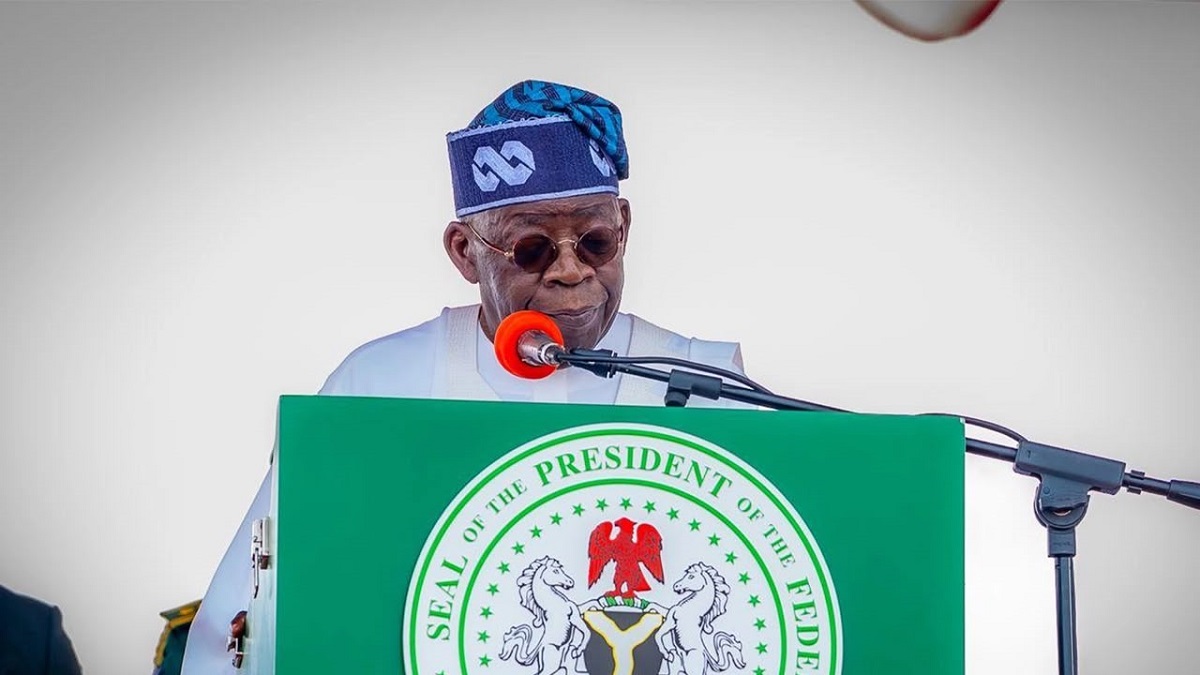 The strike will commence less than 24 hours after President Tinubu delivered his Independence Day address to mark Nigeria’s 66th anniversary.
In the address, the President acknowledged that the country’s economic journey had been difficult and said many Nigerians had experienced hardship. He nevertheless defended the economic reforms undertaken by his administration, arguing that they were necessary to correct longstanding weaknesses in the economy.
The JNPSNC action comes amid similar concerns raised by the Nigeria Labour Congress (NLC) in its Independence Day statement.
The NLC called for an immediate reduction in petrol prices, a nationwide wage award and the commencement of negotiations for a new national minimum wage.
The labour centre said rising transportation costs were feeding into the prices of food, rent, school fees and other necessities, while inflation had eroded the real value of workers’ wages. It also linked the current cost-of-living pressures to the increase in petrol prices following the removal of subsidy in 2023.
The NLC further called for the implementation of tax relief measures it said had been agreed with the Federal Government, a reduction in the cost of governance and greater transparency in the management of public resources.
It also demanded the immediate constitution of a tripartite committee to negotiate a new wage standard for 2027, arguing that the ₦70,000 minimum wage had already been significantly eroded by inflation.
Unions Mobilise Public Servants
The JNPSNC comprises several unions representing workers across the public service, including the Nigeria Civil Service Union, Medical and Health Workers Union, Association of Senior Civil Servants of Nigeria and National Association of Nigerian Nurses and Midwives.
Others are the Amalgamated Union of Public Corporations, Civil Service Technical and Recreational Employees; Nigeria Union of Public Service, Reportorial, Secretarial, Data Processors and Allied Workers; National Union of Printing, Publishing and Paper Products Workers; and National Union of Agriculture and Allied Employees.
The October 1 circular directed the unions’ national and state structures to disseminate the strike notice and mobilise members for compliance.
Felix Ifijeh is a journalist with years of professional reporting experience. Known for his keen news sense, compelling storytelling and commitment to accurate, impactful reporting, he has built a reputation for turning leads into clear, engaging, and well-structured reports that resonate with readers. His work reflects deep newsroom experience and a commitment to accurate, impactful journalism.
