-
Nigeria’s football federation has changed leadership repeatedly since the modern NFF era began in 1991.
-
Some presidents delivered major trophies and historic campaigns, while others were defined by administrative battles and missed opportunities.
-
Amaju Pinnick ranks as the most influential modern NFF president, combining sporting success with greater international influence.
-
Ibrahim Musa Gusau leaves a mixed legacy after major women’s football success was followed by painful World Cup qualification failures.
August 29, (THEWILL) — For more than three decades, Nigeria’s football federation has been led by administrators who inherited the same enormous responsibility: managing a football-mad nation that expects the Super Eagles to win and qualify for every major tournament.
Some left behind trophies. Others left controversies, reforms or missed opportunities.
So, rather than simply counting medals, this ranking considers the bigger question: Did Nigerian football become stronger under their leadership?

1. Ibrahim Musa Gusau (2022-2026)
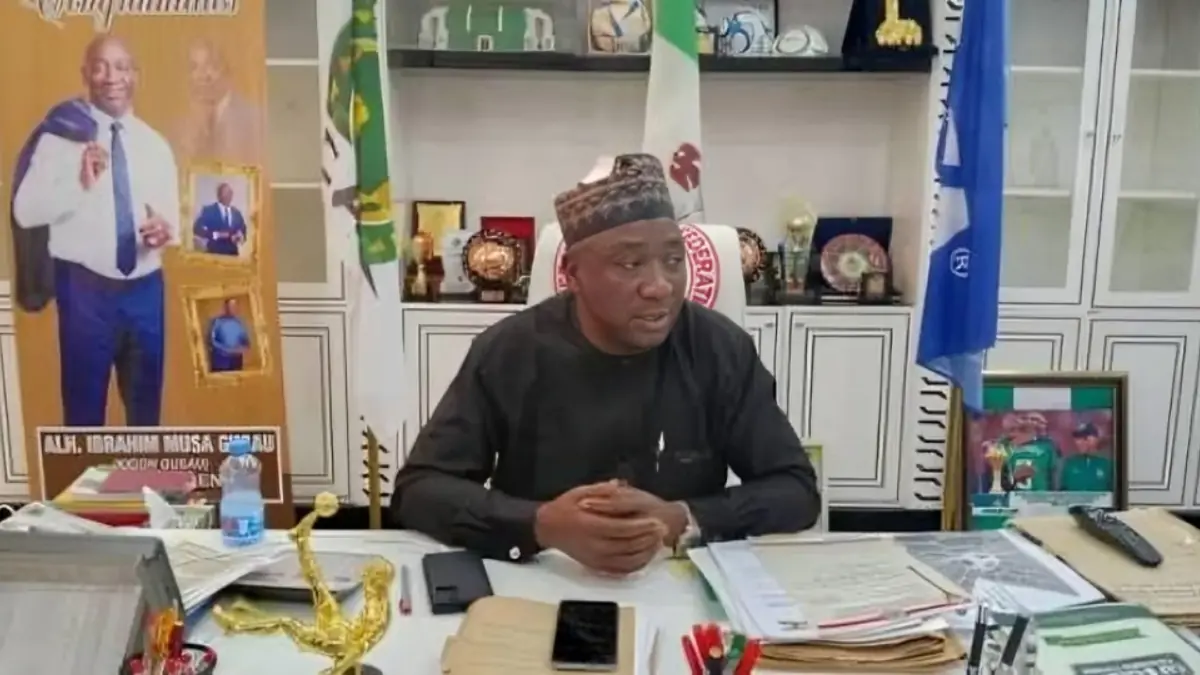
Gusau’s tenure is perhaps the hardest to judge. Nigeria reached the 2024 AFCON final and the Super Falcons won a record-extending 10th WAFCON title in 2025. Youth and women’s teams also recorded notable achievements.
But Nigeria then failed to qualify for the 2026 World Cup, while the Falcons missed the 2027 Women’s World Cup. His resignation followed amid the fallout.
Legacy: Major achievements, particularly in women’s football, overshadowed by painful qualification failures.
2. Amaju Pinnick (2014-2022)
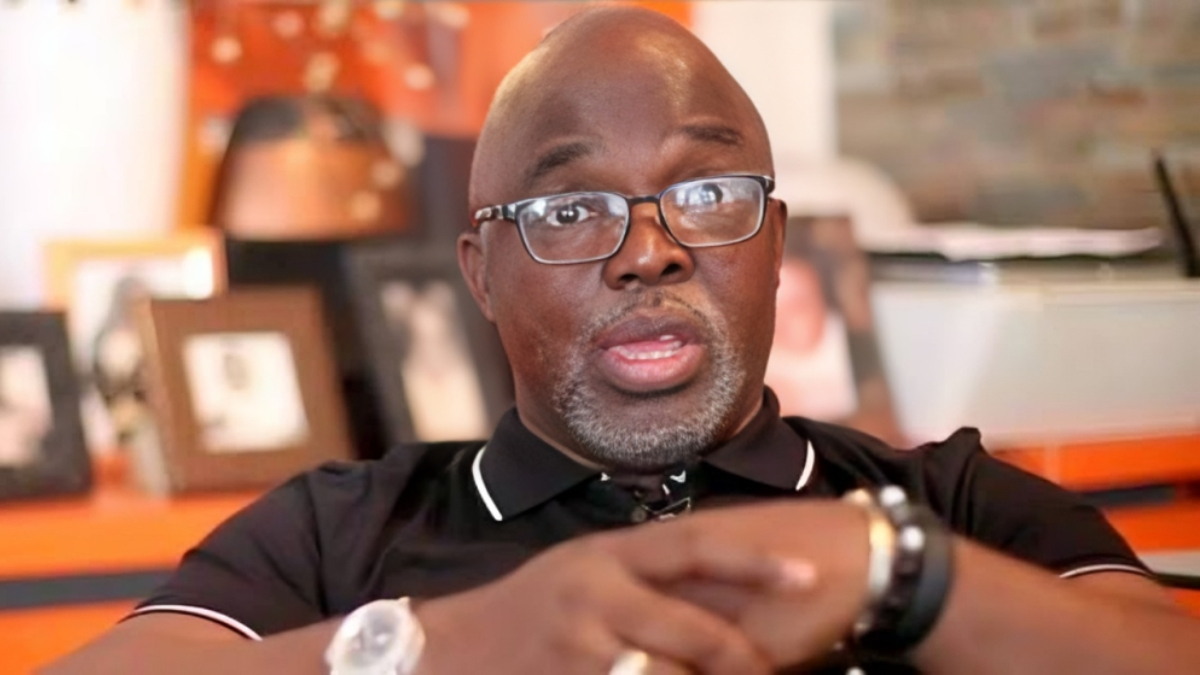
Pinnick’s eight-year tenure remains the benchmark of the modern era. He became the first NFF president since the 1970s to win re-election, while Nigeria qualified for the 2018 World Cup and won AFCON bronze in 2019.
The Super Falcons won three straight WAFCON titles between 2014 and 2018, while Nigeria also claimed the 2015 U-17 World Cup and Olympic bronze in 2016. Pinnick’s influence extended beyond Nigeria as he rose to senior CAF and FIFA positions.
Legacy: The most successful combination of trophies, longevity and international influence.
3. Aminu Maigari (2010-2014)
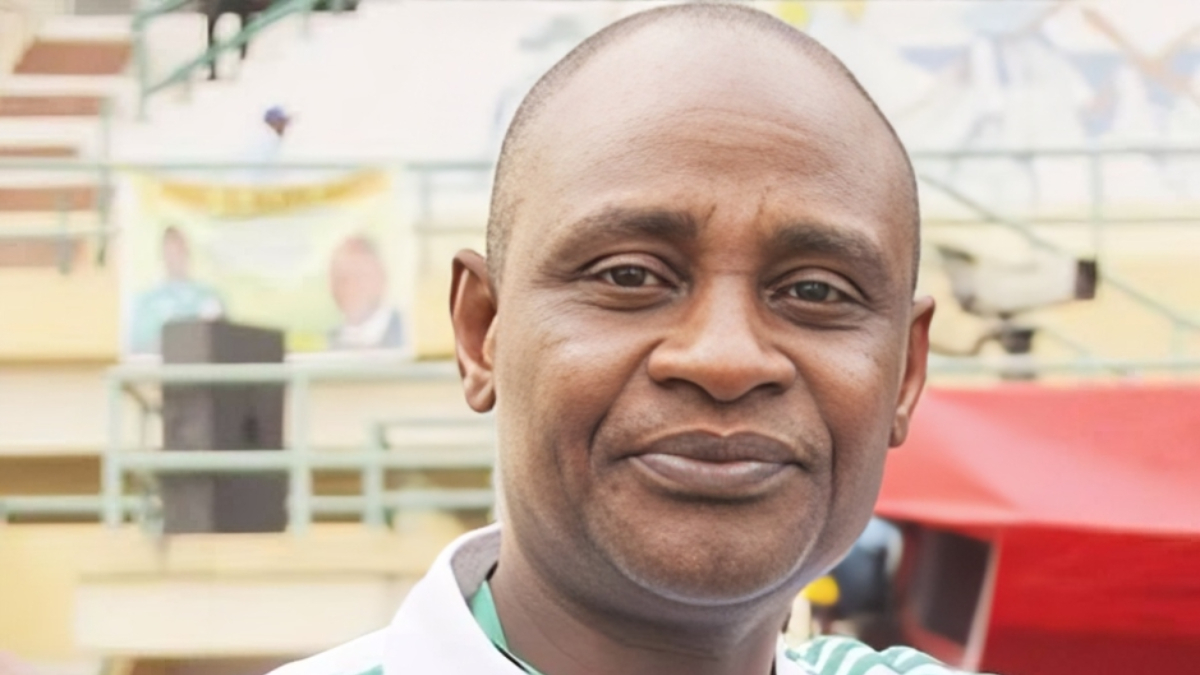
Maigari’s administration produced one of Nigeria’s strongest tournament cycles. The Super Eagles won the 2013 AFCON and reached the 2014 World Cup Round of 16, while the Golden Eaglets won the 2013 U-17 World Cup.
His presidency was, however, overshadowed by administrative turmoil, including his controversial removal from office in 2014 before FIFA ordered his reinstatement.
Legacy: Strong sporting results undermined by institutional instability.
4. Sani Lulu (2006-2010)
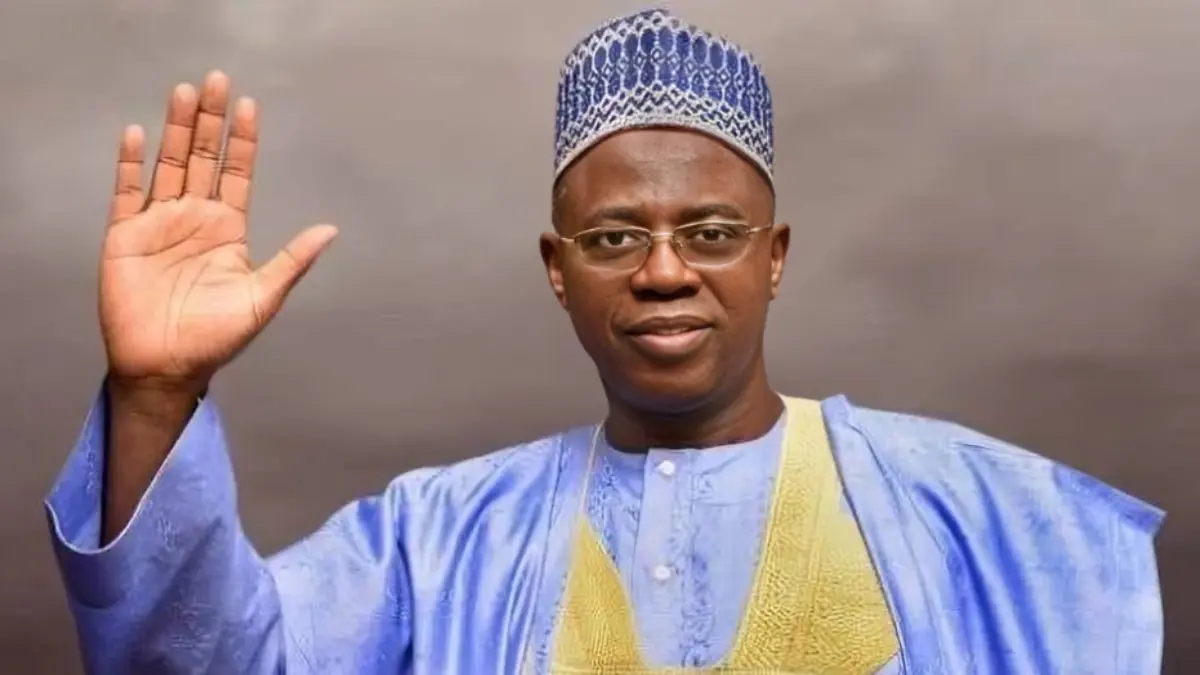
Lulu oversaw Nigeria’s qualification for the 2010 World Cup and placed emphasis on youth development, including an under-13 programme linked to the emergence of players such as Kelechi Iheanacho.
Nigeria also won silver at the 2008 Olympics. However, the Super Eagles’ poor 2010 World Cup campaign, in which they failed to win a game, contributed to the end of his administration.
Legacy: Youth development and Olympic success, but ultimately remembered for a disappointing World Cup.
5. Ibrahim Galadima (2002-2006)
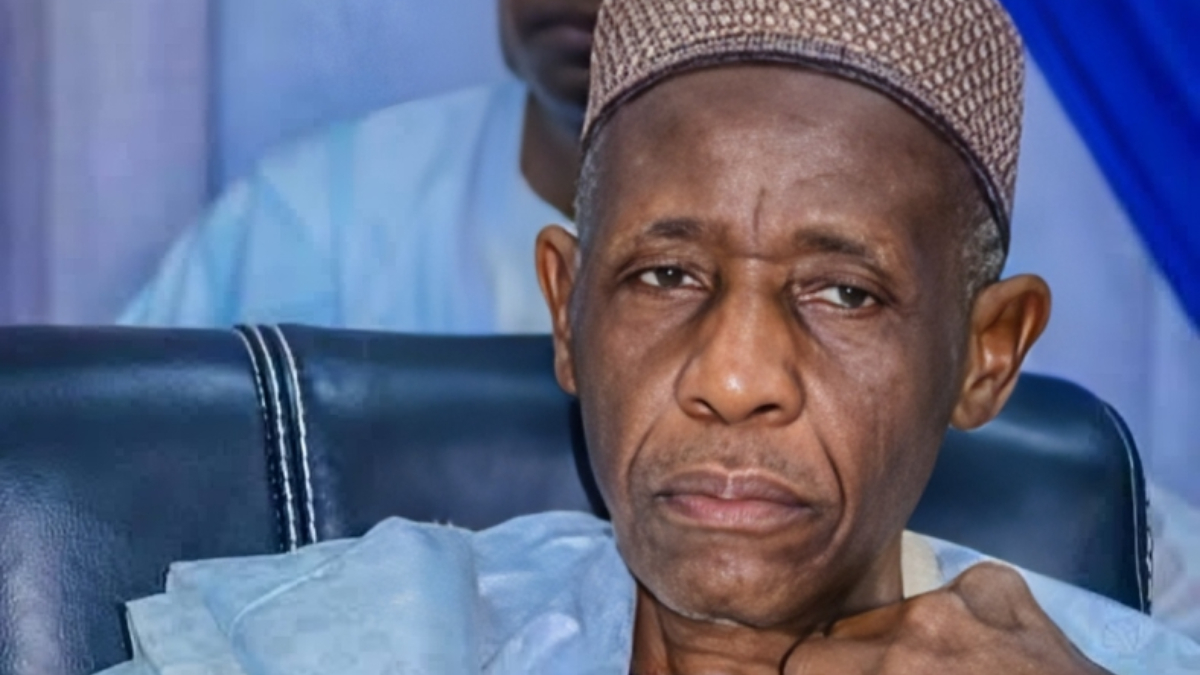
Galadima’s presidency is largely remembered for Nigeria’s failure to qualify for the 2006 World Cup, but his wider contribution to Nigerian sport was significant.
He was involved in the establishment of Kano Pillars and held several major administrative positions. His influence therefore extended beyond his years at the head of the federation.
Legacy: A respected sports administrator whose NFF tenure was damaged by World Cup failure.
6. Dominic Oneya (1999-2002)
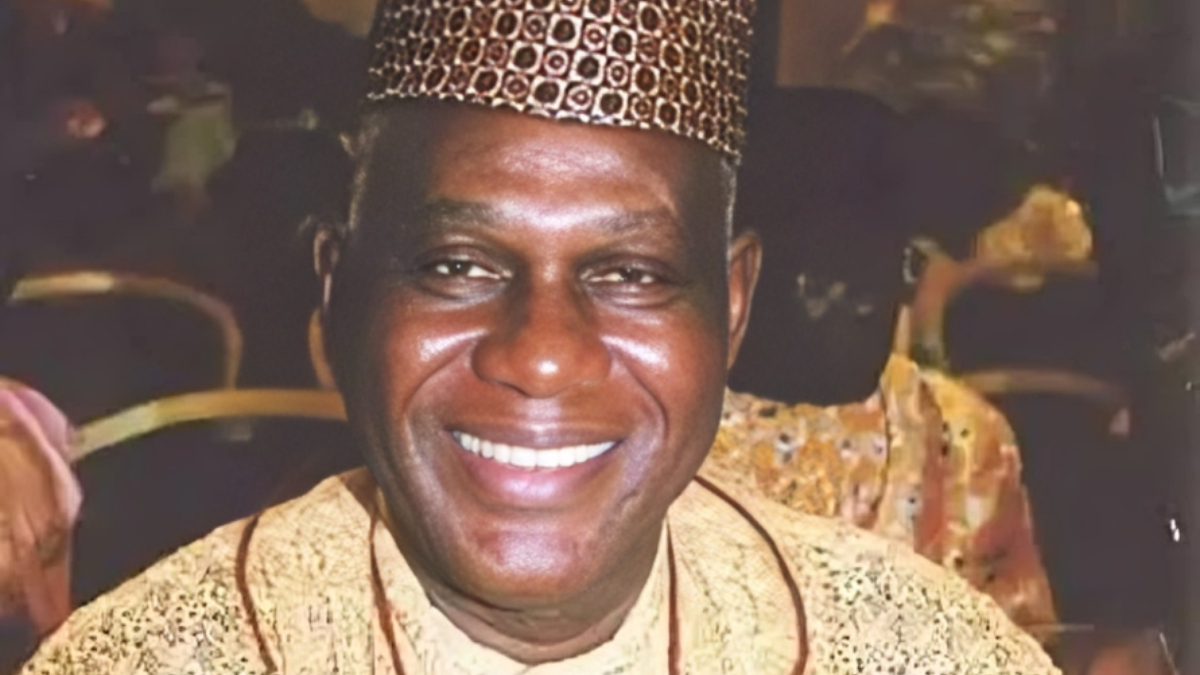
Oneya led the federation during a transitional period in Nigerian football. His tenure included Nigeria’s run to the 2000 AFCON final, where the Super Eagles lost to Cameroon on penalties. His administration did not leave the institutional footprint of those above him but occupied an important period in the country’s football development.
Legacy: A transitional figure during an important era for Nigerian football.
7. Kojo Williams (1999)
Williams had one of the shortest presidencies in the modern era, lasting only a few months. That limited his opportunity to establish a lasting sporting legacy and also reflected the instability that has repeatedly affected Nigerian football administration.
Legacy: A short-lived presidency that highlights the federation’s recurring leadership instability.
8. Abdulmumini Aminu (1997-1999)
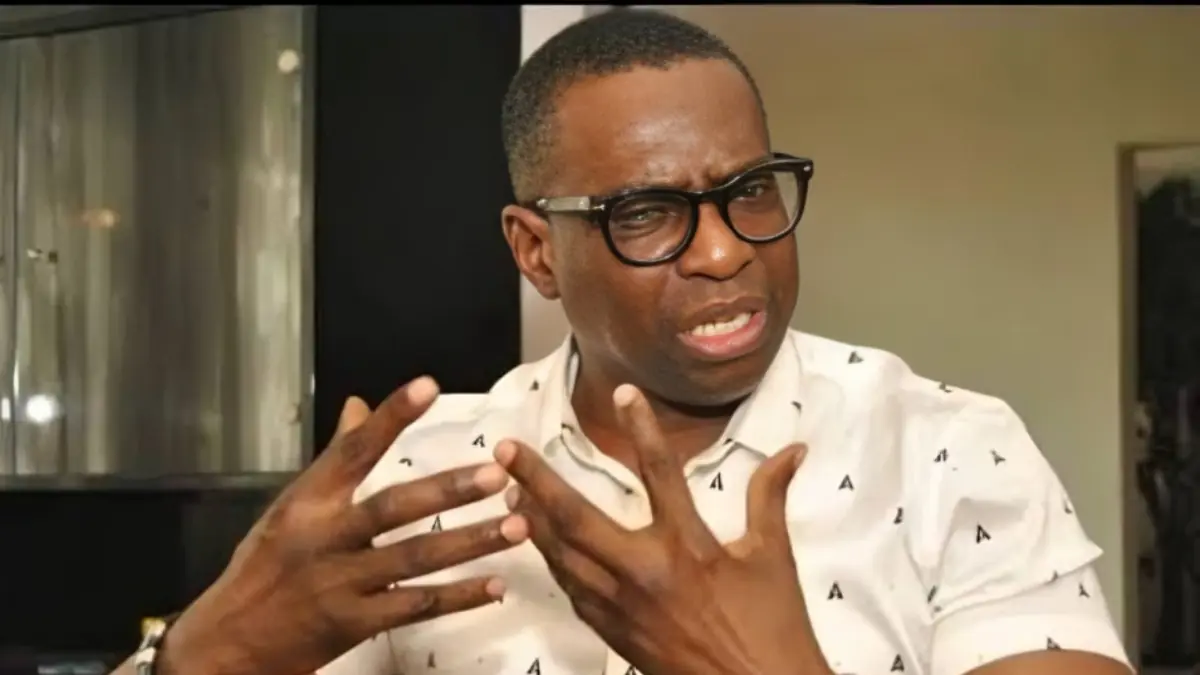
Aminu’s presidency was relatively short, limiting his impact compared with longer-serving successors. However, his involvement in football administration continued after leaving the NFF, including through regional football leadership.
Legacy: A brief NFF tenure followed by a wider contribution to African football administration.
9. Emeka Omeruah (1993-1997)
Omeruah served during a formative period when Nigeria was emerging as one of Africa’s leading football nations.
The Super Eagles’ rise in the 1990s provided the backdrop to his administration, although much of that success was the product of a wider football ecosystem rather than one president alone.
Legacy: Part of the foundation of Nigeria’s golden 1990s generation.
10. Amos Adamu (1992-1993)
Adamu’s time at the top of the federation was brief, but his later career became much more prominent. He went on to hold influential positions in African and world football administration.
Legacy: A short domestic presidency followed by a significant international administrative career.
11. Efiom Okon (1991-1992)
Okon opened the modern era covered by this ranking, serving as one of the first leaders of the federation’s post-1991 structure.
His short tenure makes comparisons with longer-serving presidents difficult, but his place in the history of modern Nigerian football is secure.
Legacy: An early architect of the modern federation.
THE REAL STORY BEHIND THE RANKING
The rankings reveal a recurring Nigerian football paradox: the country has rarely lacked talent, but it has often struggled to build the structures needed to maximise it.
Nigeria has consistently produced elite players, successful youth teams and one of Africa’s strongest women’s sides.
Yet administrative disputes, financial problems, leadership changes and missed qualifications have repeatedly disrupted progress.
That is why the strongest administrations were not necessarily those with the most trophies. They were the ones that combined sporting success with stability and a stronger football structure.
WHAT COMES NEXT?
The next NFF president will inherit a country with enormous football potential but equally enormous expectations.
The priority cannot simply be another trophy. It must be building an administration capable of making success sustainable from the Super Eagles and Super Falcons to youth development and domestic football.
Nigeria does not need to discover its football talent.
It needs to build the structure that consistently turns that talent into success.
Olumide Atiba is a sports journalist with THEWILL, known for his keen news sense and compelling storytelling. He has built a reputation for turning leads into clear, well-structured reports that resonate with readers, with a strong focus on football coverage