
-
President Bola Tinubu has ordered a comprehensive forensic audit of the Federal Government’s personnel, payroll and financial-management systems.
-
The exercise will scrutinise IPPIS and its links with GIFMIS, Remita, the Treasury Single Account and other government platforms.
-
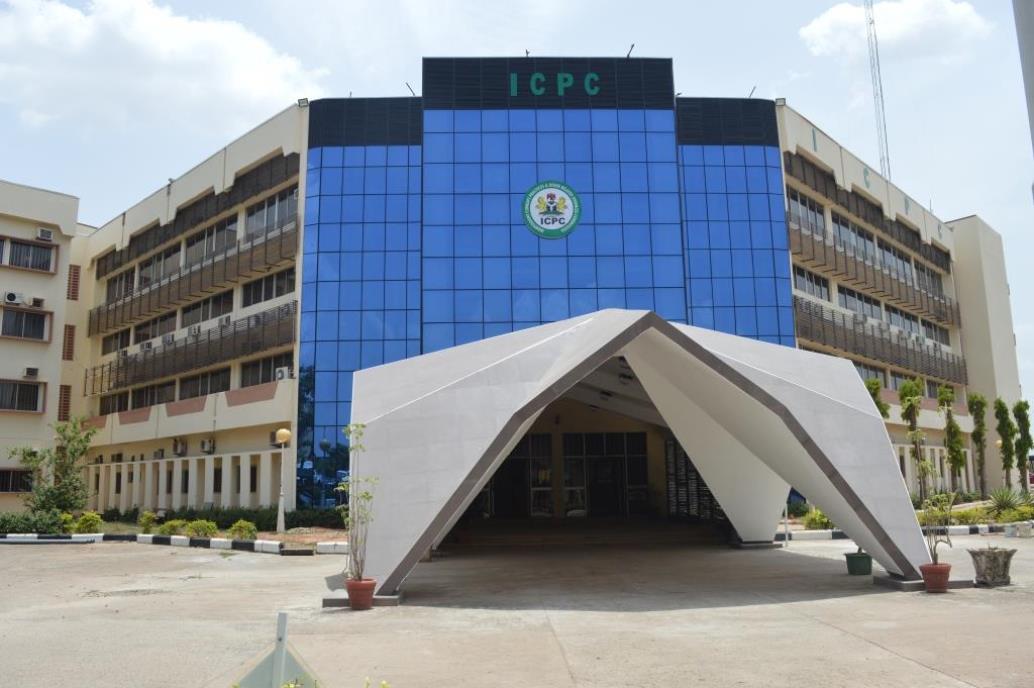
The audit follows findings by the ICPC on ghost workers, payroll fraud, “fake agencies” and other weaknesses in government controls. Investigators will also establish a definitive inventory of federal agencies and verify their legal status and access to public resources.
-
The Presidency says the exercise will determine how systemic loopholes were exploited and strengthen controls to prevent further abuse of government funds.
August 29, (THEWILL) — President Bola Tinubu has ordered a comprehensive forensic audit of the Integrated Personnel and Payroll Information System (IPPIS), federal ministries, departments and agencies, following revelations of ghost workers, payroll fraud, “fake agencies” and other control failures within the Federal Government.
The President directed the Minister of Finance and Coordinating Minister of the Economy, Taiwo Oyedele, to oversee and coordinate the exercise, which is expected to extend beyond the identification of individual cases of fraud to a wider examination of weaknesses within the architecture of government.
The directive, conveyed in a statemen issued by the President’s Special Adviser on Information and Strategy, Bayo Onanuga, stated that the decision followed the resolution of the Federal Executive Council (FEC) on August 19, 2026, after considering findings presented by the Independent Corrupt Practices and Other Related Offences Commission (ICPC).

The ICPC findings reportedly identified cases involving ghost workers, payroll-related fraud, “fake agencies” and other failures in the government’s control systems.
The forensic exercise is therefore expected to establish the nature and extent of the weaknesses and determine how they may have been exploited to gain access to public funds and other government resources.
IPPIS, Payroll Systems Under Scrutiny
A major component of the exercise will be a forensic audit of government personnel, payroll, pension and financial-management systems, with particular attention to IPPIS and related platforms.
The audit team will examine reported cases of ghost workers and payroll fraud and reconcile the figures identified by the ICPC. It will also trace how fictitious or ineligible persons were enrolled on government payroll systems and investigate the effectiveness of access controls, identity verification, biometric authentication and bank-account checks.
The review will further examine the connections between IPPIS and other critical government financial platforms, including the Government Integrated Financial Management Information System (GIFMIS), Remita, the Treasury Single Account (TSA) and Sub-TSA.
The Presidency said the exercise would seek to determine whether identified irregularities were caused by defects in the systems, failures in established processes, inadequate separation of duties or deliberate circumvention of government controls.
READ ALSO:
‘Fake Agencies’ Face Verification
The second component of the exercise will cover the entire landscape of federal government institutions. It will examine ministries, departments, agencies, commissions, councils, parastatals and other government bodies to establish a definitive inventory of entities operating within the Federal Government.
The audit team will verify the legal basis for the existence of the various bodies and examine how entities obtain official recognition, budgetary consideration, correspondence privileges, office accommodation and access to government systems and resources.
The exercise will also assess governance, procurement, internal-audit and oversight mechanisms across government.
According to the Presidency, the objective is to identify and close systemic weaknesses that could allow irregularly constituted entities or ineligible individuals to gain access to public resources.
Team To Work With ICPC
 President Tinubu directed that the audit be conducted according to the highest standards of independence, professionalism and forensic integrity.
The audit team will have access to relevant government systems and records and is expected to collaborate with the ICPC.
The Presidency said the collaboration would ensure that the audit complements investigations, prosecutions and recovery efforts already being undertaken by the anti-corruption agency.
Rather than operating as a parallel investigation, the exercise is expected to provide a broader systems-level assessment while supporting existing efforts to establish individual responsibility and recover public funds where wrongdoing is established.
Focus Shifts From Individual Fraud To Systemic Reform
The Tinubu administration said the exercise is intended to go beyond identifying individual cases of fraud or administrative failure.
According to the Presidency, the broader objective is to strengthen the architecture of government by closing systemic loopholes, improving data verification and reconciliation, reinforcing accountability and ensuring that only duly constituted government entities and eligible personnel have access to public resources.
The audit is also expected to provide government with a clearer and more reliable picture of its personnel records, payroll structures and institutional framework.
This could have significant implications for efforts to control recurrent expenditure, eliminate leakages and improve the management of public finances at a time when the Federal Government is pursuing fiscal reforms and tighter expenditure controls.
Background
IPPIS was introduced by the Federal Government as a centralised platform for managing personnel records and payroll across the public service, with the broader objective of improving transparency, eliminating payroll fraud and ensuring that government salaries are paid to verified employees.
Over the years, however, concerns have persisted over the integrity of public-sector personnel databases, ghost workers, multiple identities, irregular payroll entries and weaknesses in the interaction between government financial and personnel systems.
The latest directive comes against that backdrop, with the Federal Government now seeking a comprehensive assessment of not only the payroll system but also the institutional structures and control mechanisms surrounding the management of public resources.
The Presidency said the exercise underscores Tinubu’s commitment to transparency, accountability, fiscal governance and institutional integrity across the Federal Government.

Felix Ifijeh is a journalist with years of professional reporting experience. Known for his keen news sense, compelling storytelling and commitment to accurate, impactful reporting, he has built a reputation for turning leads into clear, engaging, and well-structured reports that resonate with readers. His work reflects deep newsroom experience and a commitment to accurate, impactful journalism.