
-
Senate orders compulsory health and symptom screening for passengers at Nigeria’s airports, seaports and land borders amid the confirmed Ebola case.
-
Lawmakers move to amend the 1926 Quarantine Act, describing the century-old law as inadequate for responding to modern infectious disease outbreaks.
-
Akpabio raises alarm over border surveillance, saying a traveller from Kenya was detected at a hospital rather than at the airport, with 44 contacts identified.
-
Senate demands immediate funding and stronger preparedness, including equipment for entry-point personnel and isolation centres across the 36 states and the FCT.
October 22, (THEWILL) – The Senate has moved to strengthen Nigeria’s response to the Ebola Virus Disease outbreak, ordering compulsory health and symptom screening at all entry points and directing its committees to fast-track the amendment of the country’s 100-year-old Quarantine Act.
The development followed a motion sponsored by Senator Adebayo Faduyile (Ondo South), who raised concerns over the spread of Ebola from the Democratic Republic of Congo to Uganda and Kenya, as well as the confirmation of a case in Nigeria.
The Senate called for mandatory screening of passengers at airports, seaports and land borders, including those departing the country, as part of measures to prevent further importation and possible spread of the virus.

Faduyile said the Nigeria Centre for Disease Control and Prevention (NCDC) had rated the risk of Ebola importation into Nigeria as high.
He also noted that there was no approved vaccine available for the disease, stressing the need for Nigeria to strengthen preventive measures and surveillance.
While commending the Federal Government for stepping up surveillance, the senator expressed concern over inadequate staffing and equipment at some entry points.
He warned that Nigeria could not afford another major health emergency, given that the country was already dealing with diseases including Lassa fever, cholera and diphtheria.
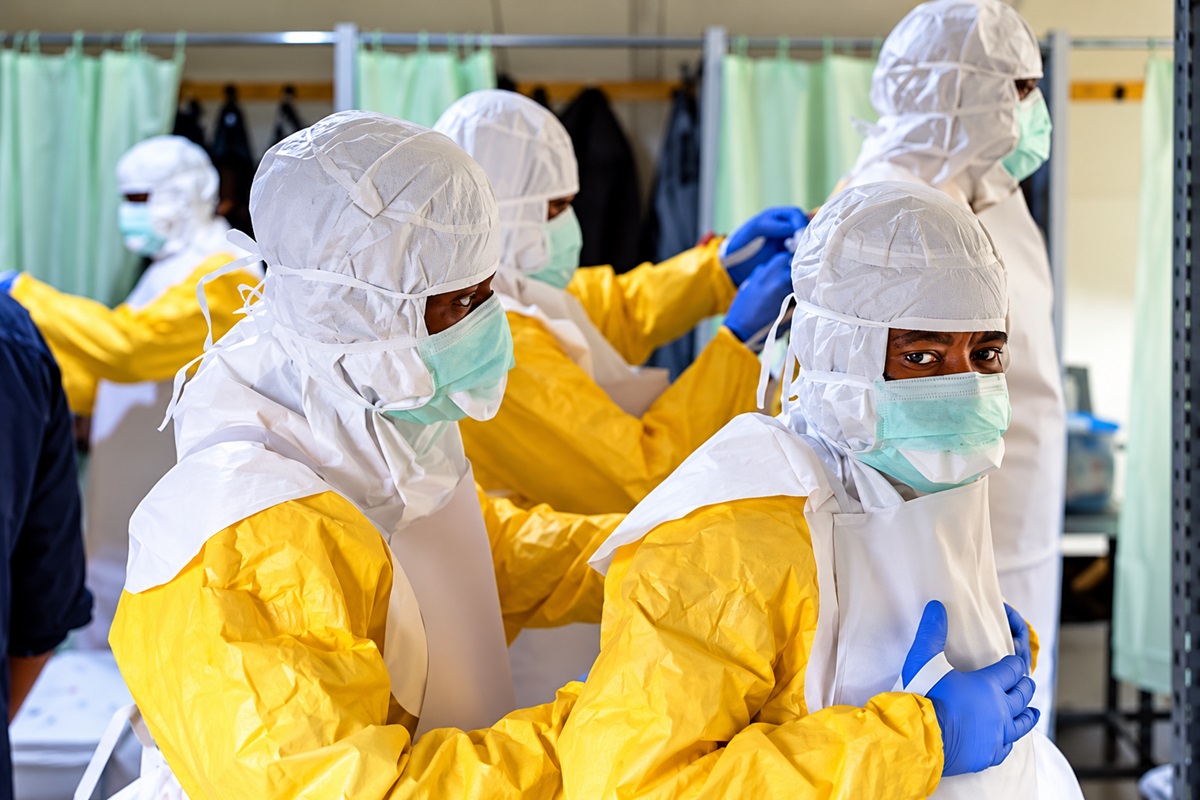
Senate Demands Compulsory Screening
Contributing to the motion, Senators Ekong Samson, Umar Sadik, Mohammed Tahir Monguno, Adamu Aliero and Ali Ndume backed the call for urgent measures to prevent the spread of Ebola.
They urged the Federal Government, through the Federal Ministry of Health and other relevant agencies, to make health and symptom screening compulsory at all airports, seaports and land borders.
The senators said the screening should cover both incoming and departing passengers, stressing the importance of early identification of suspected cases before travellers move into communities. They also called for the provision of adequate facilities and equipment for health personnel deployed to the country’s entry points.
The lawmakers further urged the government to provide isolation centres across the 36 states and the Federal Capital Territory to strengthen Nigeria’s capacity to manage suspected and confirmed cases.
READ ALSO:
Akpabio Raises Alarm Over Border Surveillance
Senate President Godswill Akpabio expressed concern over what he described as laxity in surveillance at Nigeria’s entry points.
Akpabio said a traveller from Uganda was not detected at the airport but was later identified at a hospital, while contact tracing subsequently identified 44 people who had been exposed to the traveller.
He described the development as a wake-up call for Nigerians and government agencies to become more proactive in preventing the spread of the disease.
The Senate President directed the Committee on Judiciary to work with the Committee on Health and relevant Ministries, Departments and Agencies (MDAs) to fast-track the amendment of the Quarantine Act.
He said the legislative review was necessary to provide a more effective legal framework for dealing with infectious diseases and public health emergencies.

1926 Law Targeted For Amendment
The Senate’s decision places the Quarantine Act of 1926 at the centre of efforts to strengthen Nigeria’s legal and institutional response to infectious diseases.
The legislation, enacted about a century ago, predates the modern systems of international travel, disease surveillance, laboratory diagnosis and emergency public health response now required to manage outbreaks.
The lawmakers said the law needed to be reviewed to reflect present-day realities and provide the necessary legal backing for effective disease prevention and control.
The proposed amendment is expected to support stronger measures around screening, quarantine, isolation, surveillance and response at the country’s entry points.
Lawmakers also urged the Federal Government to immediately release funds to all relevant agencies involved in tackling the Ebola threat.
They said adequate funding was necessary to enable the agencies to strengthen surveillance, provide protective and screening equipment, conduct contact tracing and establish effective isolation facilities.
The Lawmakers further called for adequate staffing and equipment at airports, seaports and land borders to ensure that suspected cases are detected before they gain access to communities.

Felix Ifijeh is a journalist with years of professional reporting experience. Known for his keen news sense, compelling storytelling and commitment to accurate, impactful reporting, he has built a reputation for turning leads into clear, engaging, and well-structured reports that resonate with readers. His work reflects deep newsroom experience and a commitment to accurate, impactful journalism.
