
-
Kenya confirms a second Ebola infection in a 39-year-old relative of the country’s first patient, who died on October 5.
-
Health authorities have identified 128 contacts linked to the first case, with 108 currently quarantined in Kenya and 15 others yet to be traced.
-
Officials say both infections are linked and there is currently no evidence of wider community transmission.
-
The new case heightens regional concern as the deadly Bundibugyo Ebola outbreak in the Democratic Republic of the Congo surpasses 9,000 infections and 4,000 deaths.
October 15, (THEWILL) – Kenya’s battle to prevent the spread of the deadly Ebola virus has intensified following confirmation of a second case, with 108 contacts placed in quarantine and authorities racing to locate 15 others who may have been exposed to the country’s first infected patient.
The latest patient, a 39-year-old man and close family member of Kenya’s first confirmed Ebola patient, developed symptoms on Tuesday, October 13, while already in quarantine and under daily medical surveillance.
Kenya’s Ministry of Health confirmed on Wednesday that the man developed fever, fatigue and joint pains, prompting health officials to isolate him and collect samples for laboratory testing.

The samples subsequently tested positive for Bundibugyo Virus Disease at both the National Virology Reference Laboratory and the Kenya Medical Research Institute-Centers for Disease Control and Prevention laboratory.
He has since been transferred to a designated treatment centre, where he is receiving supportive medical care.
The development brings Kenya’s confirmed Ebola cases to two, with one death, barely a week after the East African country recorded its first imported infection associated with the rapidly worsening outbreak in the Democratic Republic of the Congo.
Health authorities, however, said the two confirmed infections were epidemiologically linked and stressed that there was no evidence, as of Wednesday, that the virus was spreading within the wider Kenyan community.
The first patient was a 40-year-old Kenyan man who had been living in the DRC and travelled by road through Uganda before flying from Kampala to Nairobi on October 3.
According to the World Health Organisation, the man had fallen ill about a month earlier and received treatment at several hospitals in the DRC before making the journey to Kenya.
He arrived in Nairobi while ill and was taken to Nairobi Hospital, where he was isolated. Laboratory samples collected on October 5 tested positive for Bundibugyo virus at two laboratories. He subsequently died the same day.
His movement across national borders before the diagnosis immediately triggered concerns over possible cross-border transmission and prompted intensified surveillance and contact tracing in Kenya and Uganda.
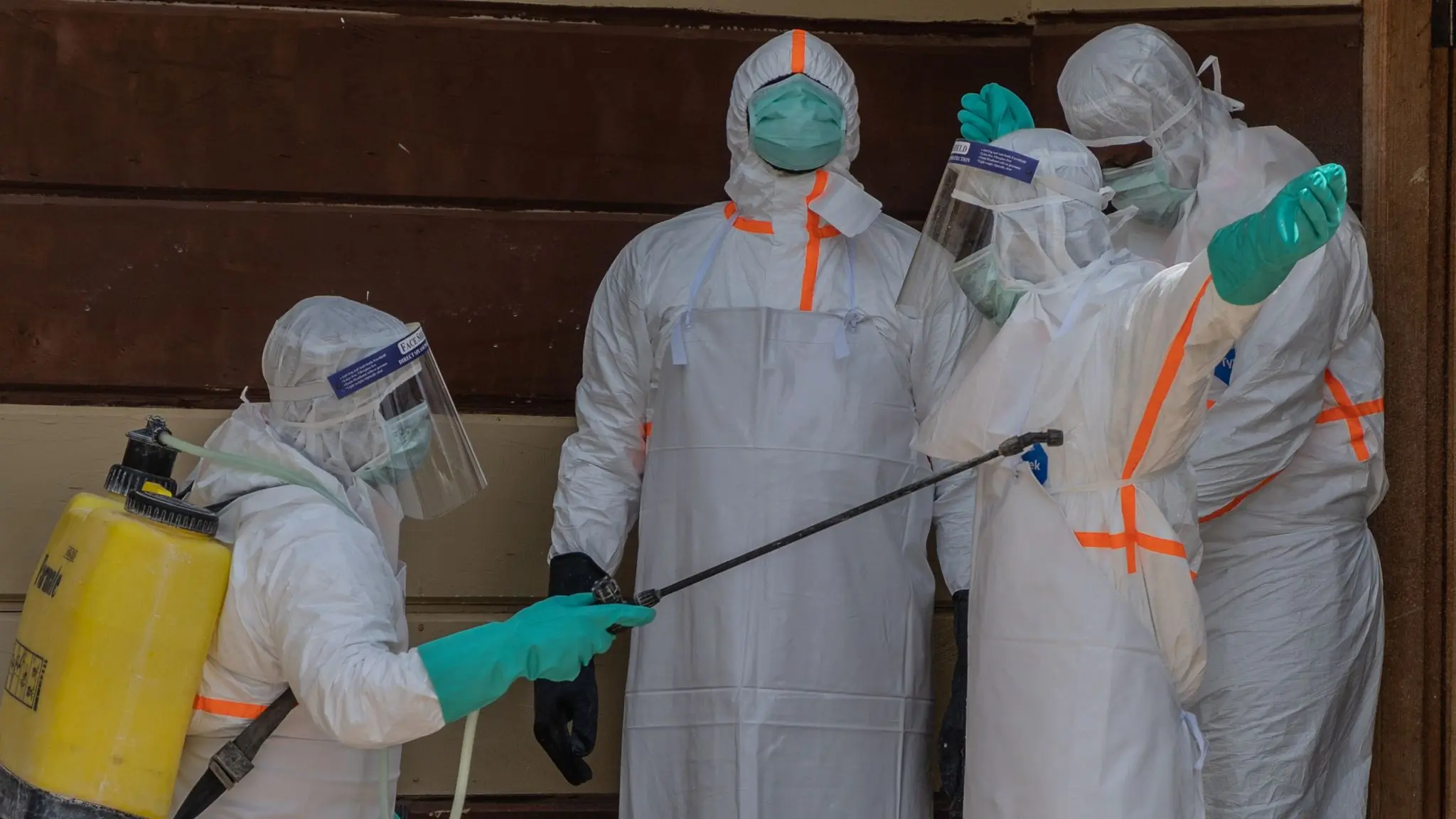
128 Contacts Identified
Following the first infection, Kenyan health authorities identified 128 people who had contact with the patient.
As of October 13, 113 of them had been traced. Of that number, 108 were placed in quarantine in Kenya and were undergoing daily clinical assessment and temperature monitoring for 21 days from their last possible exposure.
Five other contacts were outside Kenya and the relevant national health authorities had been notified in accordance with international health regulations. Authorities were still working to locate the remaining 15 contacts.
Health teams have also begun assessing people who may have had contact with the second patient after he developed symptoms, including healthcare personnel and staff at the quarantine facility.
READ ALSO:
The ministry said anyone under surveillance who develops symptoms would immediately be isolated and tested, while infection prevention measures had been strengthened at quarantine and treatment centres.
Despite the second infection, Kenya has not imposed restrictions on travel, trade or public gatherings, with authorities insisting that the available evidence does not indicate widespread transmission.
The early identification of the second patient while already in quarantine is considered significant because Ebola patients become infectious after developing symptoms. Authorities said early detection would improve his prospects of receiving timely supportive care while reducing the possibility of further exposure.
DRC Outbreak Worsens
The Kenyan cases come against the backdrop of a worsening Ebola emergency in the DRC, where the current outbreak has grown into the country’s largest on record.
By October 13, the DRC had recorded more than 9,000 confirmed infections and over 4,300 deaths from the outbreak, which is being driven by the Bundibugyo virus.
The European Centre for Disease Prevention and Control reported 9,144 confirmed cases and 4,410 deaths from data available up to October 12, with hundreds of patients hospitalised in isolation. Ituri and North Kivu remained among the areas bearing the heaviest burden.
The outbreak was declared in May and has presented authorities with serious containment difficulties amid population movements, conflict, and pressure on health infrastructure in affected areas.
Uganda had earlier recorded infections epidemiologically linked to transmission from the DRC.
The World Health Organisation reported that Uganda had recorded 19 confirmed cases, including two deaths, by June 18, although the country subsequently went for an extended period without new infections.
What Is Bundibugyo Ebola?
Ebola is a severe viral disease capable of causing serious illness and death. It is transmitted primarily through direct contact with the blood or other bodily fluids of an infected symptomatic person, or through contact with the body of a person who has died from the disease. It is not regarded as an airborne infection.
Symptoms can include fever, severe fatigue, muscle and joint pains, vomiting, diarrhoea and, in some cases, unexplained bleeding. The incubation period can range from two to 21 days, meaning an infected person may not develop symptoms immediately after exposure.
Unlike the Zaire species of Ebola virus for which approved vaccines and targeted treatments are available, there is currently no specifically approved vaccine or treatment for the Bundibugyo species driving the DRC outbreak, although supportive medical treatment can significantly improve a patient’s prospects of survival.
Kenyan authorities have consequently urged residents to remain vigilant and seek medical attention immediately if they develop symptoms including fever, unusual tiredness, muscle or joint pains, vomiting, diarrhoea or unexplained bleeding.
The government has also strengthened screening and surveillance at points of entry as health officials attempt to prevent the two linked infections from developing into sustained community transmission.
Felix Ifijeh is a journalist with years of professional reporting experience. Known for his keen news sense, compelling storytelling and commitment to accurate, impactful reporting, he has built a reputation for turning leads into clear, engaging, and well-structured reports that resonate with readers. His work reflects deep newsroom experience and a commitment to accurate, impactful journalism.
