-
WHO has allocated 20,000 doses of the Ervebo Ebola vaccine for a Phase 3 research programme in Ituri Province, where frontline health workers and other personnel involved in the response are being enrolled to determine whether the vaccine can protect against the Bundibugyo strain.
-
The move comes amid a rapidly expanding outbreak that has now recorded 7,733 confirmed cases and 3,732 deaths in the Democratic Republic of Congo, according to WHO data as of September 20, with the virus spreading across 63 health zones and seven provinces.
-
Ervebo has previously demonstrated high effectiveness against the Zaire Ebola virus but its effectiveness against Bundibugyo remains unknown, prompting WHO advisers to recommend that its use against the current strain should initially be restricted to research protocols rather than routine outbreak vaccination.
-
The outbreak is unfolding amid insecurity, displacement and a wider humanitarian crisis in eastern DRC, complicating surveillance, contact tracing, access to affected communities and delivery of healthcare, while WHO continues to strengthen response operations, community engagement and cross-border preparedness.
September 23, (THEWILL) – The World Health Organisation (WHO) has allocated 20,000 doses of the Ervebo Ebola vaccine for a major clinical research programme in the Democratic Republic of Congo (DRC), as health authorities race to contain an expanding outbreak of the deadly Bundibugyo virus.
THEWILL reports that the doses are being used in a Phase 3 clinical trial involving frontline health workers and others directly engaged in the Ebola response, particularly in Ituri Province, the epicentre of the outbreak.
The research is designed to establish whether Ervebo, a vaccine already licensed and widely used against Ebola caused by the Zaire virus, can provide meaningful protection against Bundibugyo virus disease.

The development is significant because there is currently no licensed vaccine specifically approved for Bundibugyo virus disease. WHO says Ervebo is licensed and WHO-prequalified for Ebola virus disease caused by the Ebola virus, formerly known as Zaire ebolavirus, but available evidence is still insufficient to determine whether it protects humans against Bundibugyo.
The International Coordinating Group on Vaccine Provision initially released 70,000 doses of Ervebo to the DRC. Of that allocation, 20,000 doses were designated for the Phase 3 clinical trial, while 50,000 were intended for frontline and healthcare workers under current WHO recommendations.
The trial, therefore, represents both an immediate effort to protect people at particularly high risk of exposure and an attempt to generate scientific evidence that could shape the response to future Bundibugyo outbreaks.
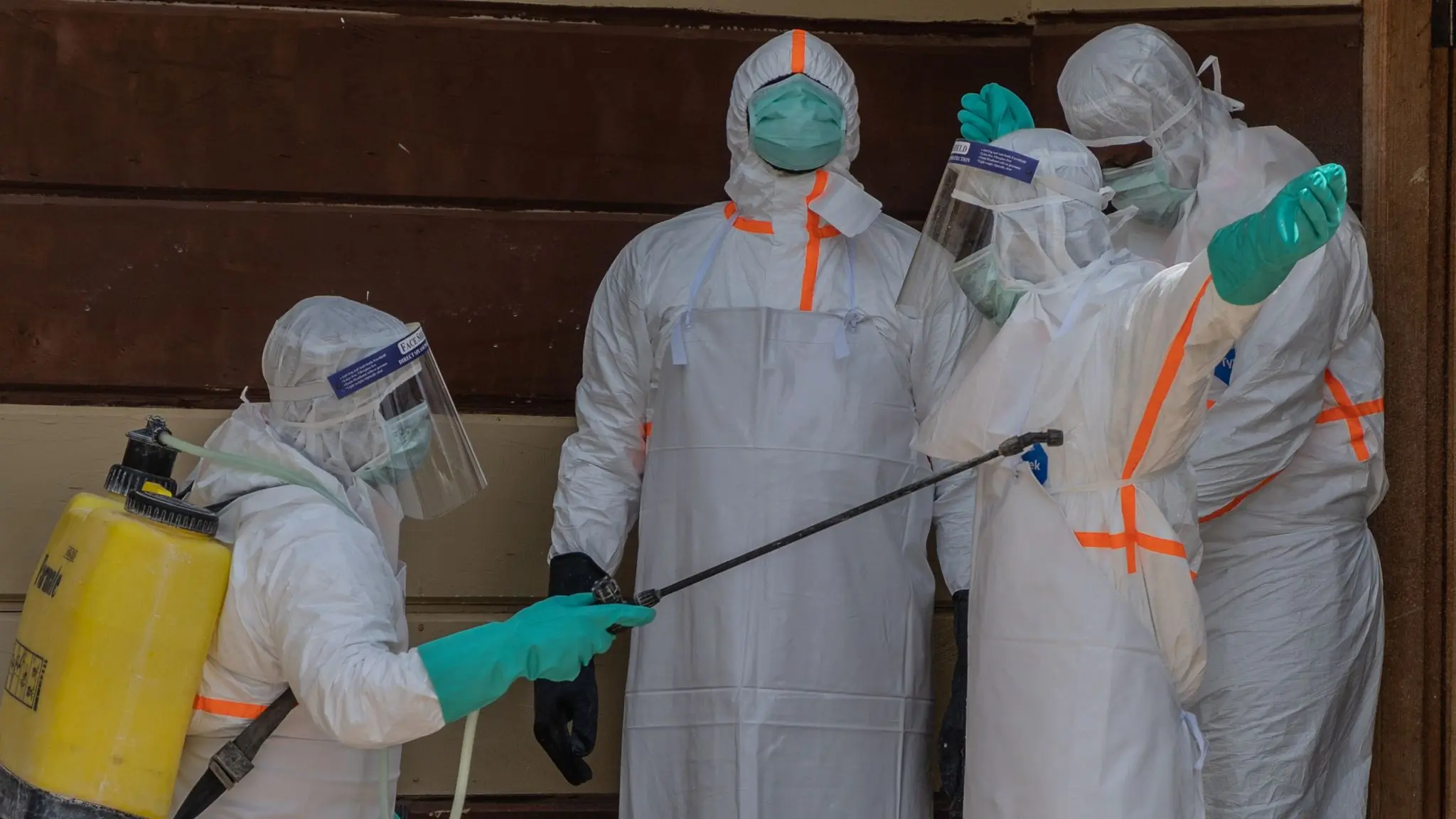
Outbreak Spreads Across Seven Provinces
The research programme comes as the scale of the DRC outbreak continues to grow.
According to the latest WHO Africa external situation report, covering data up to September 20, the country had recorded 7,733 confirmed Bundibugyo virus cases and 3,732 deaths, giving the outbreak a crude case fatality ratio of 48.3 percent.
The outbreak has expanded to 63 health zones across seven provinces, with Dungu Health Zone in Haut-Uélé Province the latest area to report infection. The expansion is raising concern over further transmission towards international borders.
Ituri remains the principal centre of transmission, although the proportion of total cases originating from the province has gradually declined as the virus has established transmission elsewhere.
READ ALSO:
The WHO had earlier reported that Ituri accounted for more than 80 per cent of confirmed cases as of early September. The province has faced persistent challenges involving insecurity, population displacement, overcrowding and limited access to healthcare, all of which have complicated efforts to identify cases quickly and interrupt transmission.
The outbreak was initially identified in Ituri earlier this year before spreading into other provinces. WHO has described the 2026 Bundibugyo outbreak as the largest Ebola outbreak ever reported in the DRC and warned that its geographical expansion and sustained transmission pose a continuing risk of further spread.
Vaccine Effectiveness Still Unknown
The central scientific question surrounding the vaccination programme is whether Ervebo can protect against Bundibugyo virus.
Ervebo has been used extensively in previous outbreaks of Ebola caused by the Zaire virus and has been credited with helping to control transmission. But Bundibugyo is a different species of orthoebolavirus.
WHO’s updated emergency guidance says evidence from laboratory, animal and observational studies indicates that Ervebo could potentially provide some cross-protection against Bundibugyo virus. However, the evidence remains insufficient to establish clinically meaningful protection in humans.
For that reason, WHO’s Strategic Advisory Group of Experts on Immunisation (SAGE) has recommended that Ervebo should initially be used against Bundibugyo only within research protocols.
The recommendation is intended to ensure that people receiving the vaccine are protected as far as the available evidence permits while simultaneously allowing researchers to determine how effective the vaccine actually is against the strain responsible for the current outbreak.
WHO has stressed that the uncertainty surrounding Ervebo’s effectiveness against Bundibugyo must be clearly communicated to those receiving the vaccine.
The agency also says vaccination cannot replace other proven outbreak-control measures, including surveillance, laboratory testing, contact tracing, infection prevention and control, safe and dignified burials, clinical care and community engagement.
Ebola’s Deadly History
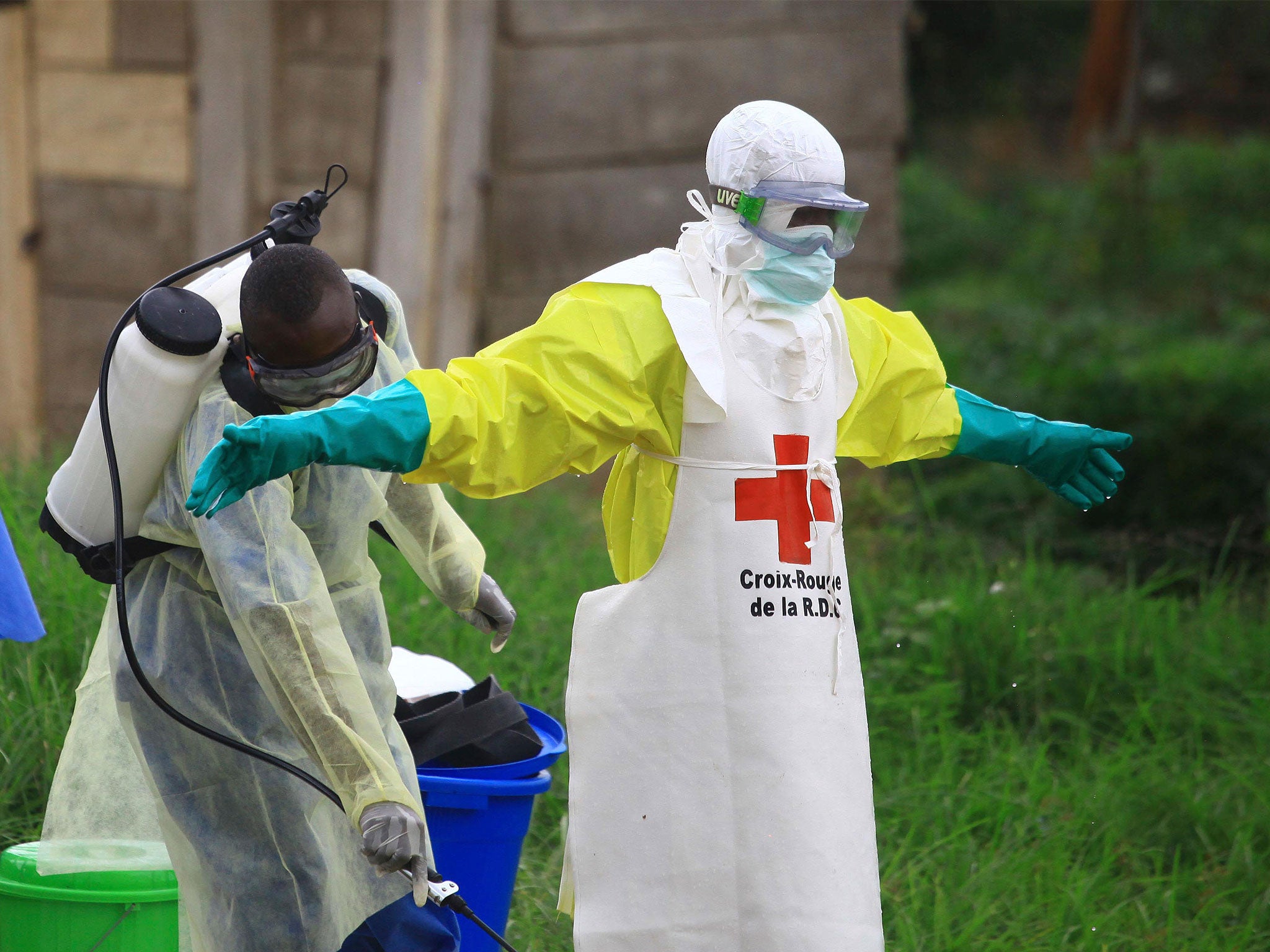
Ebola disease is a severe and frequently fatal illness caused by viruses belonging to the orthoebolavirus group.
The virus can be transmitted from infected wild animals, including fruit bats and non-human primates, to humans and can subsequently spread through direct contact with the blood, secretions, organs or other bodily fluids of infected people.
Transmission can also occur through contact with materials such as clothing or bedding contaminated with infected bodily fluids.
WHO estimates that the average case fatality rate for Ebola disease is around 50 percent, although rates in previous outbreaks have ranged from approximately 25 to 90 percent.
The disease was first identified in 1976, with early outbreaks occurring in remote communities in Central Africa.
The most extensive Ebola epidemic occurred in West Africa between 2014 and 2016. Guinea, Sierra Leone and Liberia were the worst-affected countries, with the outbreak becoming the largest and most complex Ebola epidemic recorded at the time.
The current DRC crisis, however, involves the Bundibugyo virus, for which there remains no licensed vaccine specifically approved for human use.
That distinction has placed the Ervebo trial at the centre of the current response: while the vaccine is already an established tool against Zaire Ebola, researchers are now attempting to determine whether it can provide protection against a different and highly lethal Ebola virus.
For the DRC and international health authorities, the outcome of the trial could have consequences well beyond the current outbreak, potentially determining whether an existing vaccine can be repurposed as a tool against future Bundibugyo outbreaks or whether a dedicated vaccine will be required.
Felix Ifijeh is a journalist with years of professional reporting experience. Known for his keen news sense, compelling storytelling and commitment to accurate, impactful reporting, he has built a reputation for turning leads into clear, engaging, and well-structured reports that resonate with readers. His work reflects deep newsroom experience and a commitment to accurate, impactful journalism.